
How to Identify the Caribou Twenty-Five Cents (quarter)
Canada's long-running 25-cent design shows a standing caribou on rocky tundra, used on circulating quarters since 1937 under multiple monarchs.
Read the full Caribou Twenty-Five Cents (quarter) encyclopedia entry →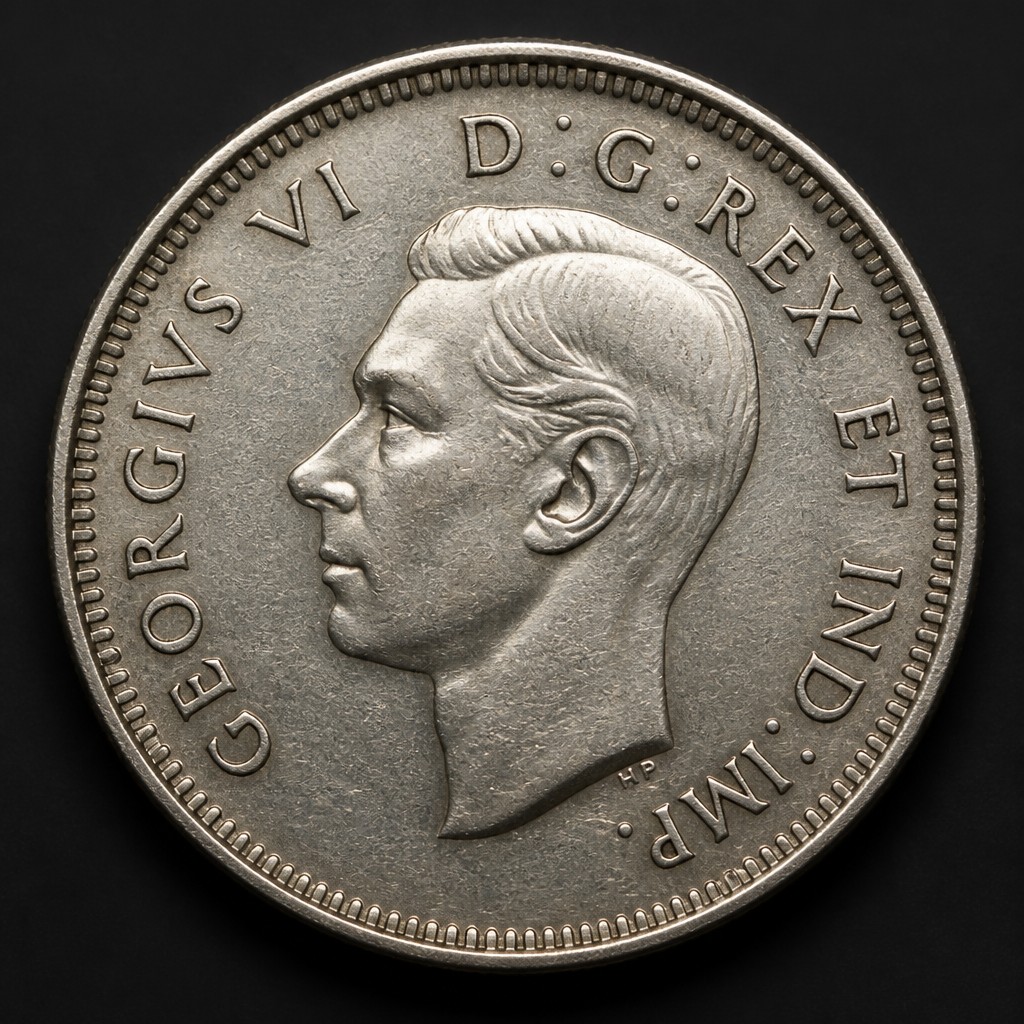
What Is This Coin?
The "Caribou quarter" refers to Canada's standard 25-cent piece, which has carried the same reverse design since 1937. It replaced an earlier design and has appeared under George VI and Elizabeth II, interrupted only by special commemorative reverses in certain years (most famously 1967). Because the basic design has run for so long with only material and portrait updates, it is one of the most familiar coins in everyday Canadian pocket change, and collectors often build entire date-and-composition sets around it.
Obverse Design
The obverse carries the reigning monarch's portrait with the Latin legend naming them, such as "ELIZABETH II DEI GRATIA REGINA" or the equivalent for George VI. The exact portrait style changes over the decades (1937–1952 George VI, then several different Elizabeth II effigies from 1953 onward), so the obverse alone can help narrow down the coin's era.
Reverse Design
The reverse, designed by Emanuel Hahn, shows a caribou standing on a rocky outcrop with mountains in the distant background. "CANADA," the date, and "25 CENTS" surround the animal. The caribou faces left, antlers visible, giving the design an easily recognizable silhouette compared to other Canadian denominations.
Size, Weight & Metal
Composition changed several times: silver (.800 fine) through 1966, pure nickel from 1968 into the late 1990s, and nickel-plated steel from 2000 onward. Diameter has stayed close to 23.88 mm throughout. Silver examples feel notably heavier and have a warmer, softer shine than the more recent plated-steel pieces, which are magnetic.
Mint Marks & Varieties
Canadian circulation coins traditionally carry no mint mark, since the Royal Canadian Mint's Winnipeg and Ottawa facilities did not distinguish output this way for decades. On modern plated-steel quarters, a small "P" appears near the date to indicate the plated composition rather than a mint of origin.
Telling It Apart From Similar Coins
Confusion mostly arises with the 1967 Centennial issue, which swaps the caribou for a bobcat and is dual-dated "1867–1967." Any quarter simply dated "1967" with the caribou design is a transitional strike from that year rather than the special centennial piece. Comparing the reverse animal is the fastest way to sort these apart. Beyond that one-year exception, be careful not to confuse a worn caribou quarter with a dime or nickel by size alone in poor lighting — the quarter's larger diameter and the animal motif on the reverse are the clearest confirmations of denomination.
Judging Condition at a Glance
On well-worn coins, the caribou's antler tips and the ridge of its back wear flat first. Sharp antler detail and full separation of the fur lines around the shoulder indicate a coin in higher circulated grades. Mint luster survives longest in the fields around "CANADA" and the date.
Authenticity Red Flags
Because silver-era caribou quarters carry bullion value, watch for pieces that feel unusually light (possible plated fakes) or show soft, mushy lettering consistent with cast counterfeits. Genuine coins have crisp reeding on the edge; filed or smooth edges are a warning sign. Also compare the caribou's antler count and body proportions against a known genuine example, since crude counterfeits sometimes distort these fine details in ways a trained eye can spot quickly.
Frequently asked questions
Is every Canadian quarter with a caribou valuable?
No. Most are common circulation coins worth face value unless they are older silver dates or in exceptional uncirculated condition.
How can I tell if my caribou quarter is silver?
Check the date: coins dated 1966 and earlier are typically .800 silver, while 1968 and later are nickel or plated steel. A weight or magnet test can help confirm.
Why does my 1967 quarter show a different animal?
Canada issued a special one-year Centennial reverse in 1967 depicting a bobcat instead of the caribou, alongside regular caribou-design coins also dated 1967.
Are there mint marks on caribou quarters?
Generally no. Canadian circulation coins don't use mint marks the way many other countries do; look instead at composition clues like the small 'P' on plated steel issues.