How to Identify the Canadian One Cent
Collector checks for the bronze Canadian large cent: maple-leaf reverse, George V portrait, the 1911 'Godless' legend, size, and look-alikes.
Read the full Canadian One Cent encyclopedia entry →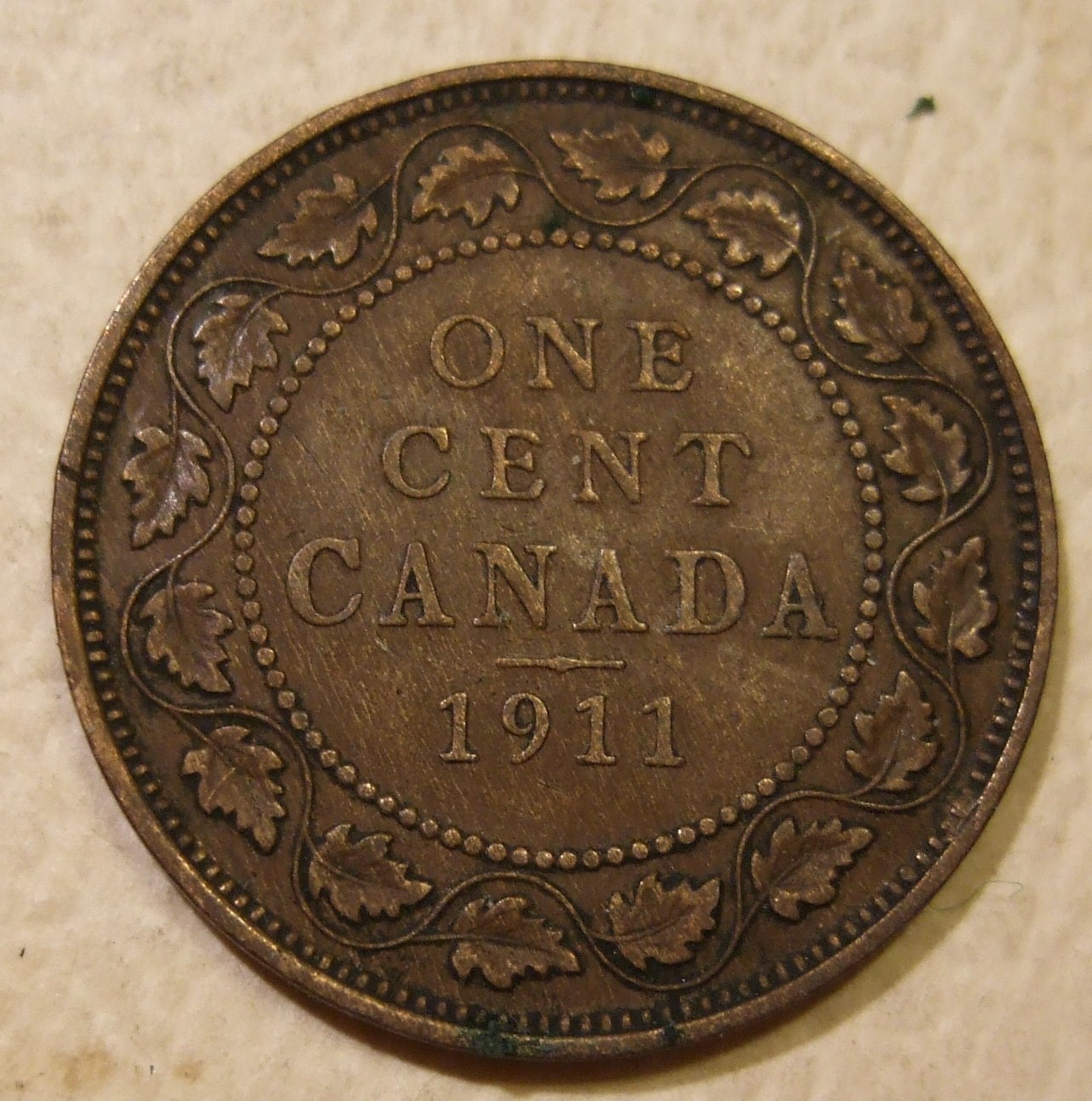
Begin with the reverse, since it names the country and denomination outright. Look for ONE CENT and CANADA with the date, framed by a wreath of maple leaves. That combination marks a Canadian large cent and rules out a British penny (Britannia reverse) or an American cent. If the reverse instead shows a small maple-leaf-and-value design without a full wreath, you may be looking at the smaller post-1920 cent rather than the large cent.
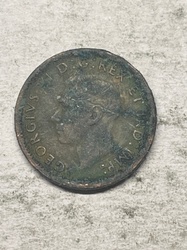
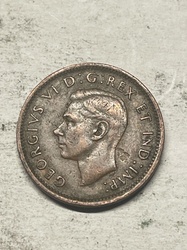
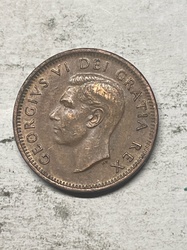
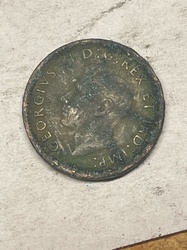
Turn to the obverse and read the portrait and legend. The coin here shows King George V facing left. Read the surrounding legend carefully: GEORGIVS V REX ET IND: IMP: with no DEI GRATIA identifies the single-year 1911 "Godless" type. From 1912 the legend adds DEI GRA:, so the presence or absence of that phrase is a quick way to confirm an 1911 coin.
Use size and metal as a cross-check. A large cent is bronze, about 25.4 mm in diameter and roughly 5.67 g, with a plain (smooth) edge. It is distinctly bigger and heavier than the small cent introduced in 1920, so a caliper or scale settles any doubt between the two. Bronze is not magnetic, so a coin that sticks to a magnet is not a genuine large cent.
Watch for look-alikes and mislabels. Earlier Victoria and Edward VII large cents share the same wreath reverse but a different monarch's bust and legend, so match the portrait to the date. Because the large cent has no mint mark (all were struck for the Royal Canadian Mint / Royal Mint without a distinguishing letter), do not go hunting for one; the date and the monarch are the identifiers that matter.
Finally, assess condition and originality before drawing conclusions about value. Look for even brown or red-brown surfaces free of corrosion, tooling, or harsh cleaning, and read the date under magnification to rule out alteration on a coin being passed as a scarcer year. For anything you believe is a better date or a high-grade red example, seek an opinion from a reputable dealer or third-party grading service.
Frequently asked questions
How do I know I have the 1911 'Godless' cent and not a later year?
Read the obverse legend. The 1911 coin lacks DEI GRATIA, reading GEORGIVS V REX ET IND: IMP:. From 1912 onward the legend includes DEI GRA:, so its absence confirms 1911.
Does the Canadian large cent have a mint mark?
No. The large cents carry no distinguishing mint-mark letter, so identify the coin by its date and the monarch's portrait rather than looking for a mint mark.
How can I tell the large cent from the small cent?
Size and weight. The large cent is about 25.4 mm and 5.67 g; the small cent introduced in 1920 is noticeably smaller and lighter. A caliper or scale distinguishes them easily.
Should I clean the coin before identifying it?
No. Cleaning bronze cents damages the surface and lowers value. Identify and grade the coin as-is, and consult a dealer or grading service if it may be a scarce date or high grade.
Canadian One Cent identified by the community
Recent Canadian One Cent coins identified with Coin Identifier.