
How to Identify the Caesar Elephant Denarius
Collector diagnostics for the elephant/CAESAR denarius: reverse elephant, priestly obverse emblems, silver size and weight, and fakes.
Read the full Caesar Elephant Denarius encyclopedia entry →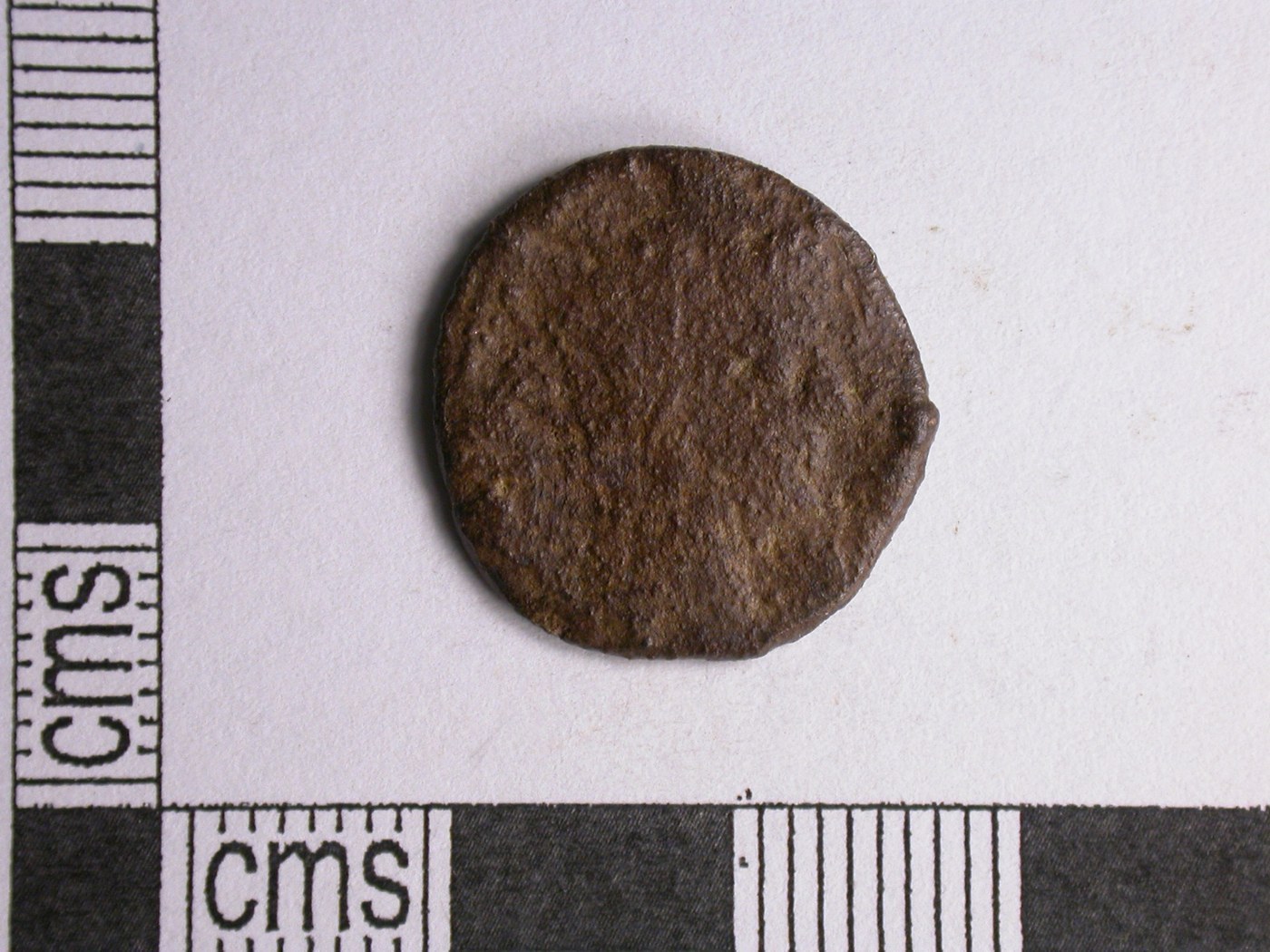
Begin with the reverse, which is the signature side. Look for an elephant striding to the right and trampling a small horned serpent or dragon-like creature beneath its front legs, with the name CAESAR spelled out in the exergue below the ground line. That elephant-plus-CAESAR combination is the fastest positive identifier of the type.
Now verify the obverse, because this is where many misidentifications happen. On a genuine ancient issue the obverse carries a set of pontifical instruments, not a face: a simpulum (ladle), an aspergillum (sprinkler), a securis (sacrificial axe, sometimes topped with an animal head), and the apex, the pointed priest's cap. There is no legend and no bust on this side. If a coin shows the elephant reverse but a clear profile portrait of Caesar on the obverse, it is not the 49–48 BC denarius; Caesar's portrait coinage only began in 44 BC. Such combinations are typical of modern replicas and fantasy pieces.
Check the physical properties. This is a silver denarius, so it should measure about 18–20 mm across and weigh roughly 3.5–4.0 grams. Genuine examples are hand-struck: expect slightly irregular flans, off-center strikes, high points of wear, and natural old toning rather than a perfectly round, mirror-bright disc. A coin that is suspiciously uniform, unusually light or heavy, or made of a base metal under thin plating warrants suspicion.
Be alert to look-alikes and reproductions. Because the type is famous and desirable, it is heavily copied, including cast tourist replicas, silver-plated base-metal fakes, and 'portrait' fantasy hybrids. Diagnostics of authenticity include correct style of the elephant and priestly emblems, appropriate weight and fabric, and metal that looks and rings like ancient silver. For any meaningful purchase, buy from an established ancient-coin dealer or auction house and consider third-party authentication (for example a recognized ancient-coin grading service) before paying a premium.
Frequently asked questions
What is the single clearest sign this is the Caesar Elephant type?
An elephant walking right and trampling a serpent, with the legend CAESAR in the exergue beneath it. That reverse is the defining diagnostic of the type.
The obverse looks like a portrait to me. Is that normal?
The genuine obverse is a cluster of priestly emblems (ladle, sprinkler, axe, and apex cap), which can look like a busy portrait at a glance but is not a face. A true profile bust of Caesar paired with the elephant reverse indicates a modern reproduction or fantasy piece.
How can I tell a genuine silver example from a fake?
Check for correct size (about 18–20 mm), weight (roughly 3.5–4.0 grams), hand-struck irregularity, and ancient silver appearance. Cast seams, base metal under plating, perfectly uniform flans, or the wrong style are warning signs; use a reputable dealer or grading service for confirmation.
Are all elephant/CAESAR coins the same value?
No. Because millions were struck, condition drives price. Well-centered, sharply struck, attractively toned coins bring far more than worn, off-center, cleaned, or damaged examples.