
How to Identify the Bronze Coin of Cleopatra VII
A collector's guide to recognizing Cleopatra VII bronze by its diademed left-facing portrait, Ptolemaic fabric, patina, and typical eagle reverse.
Read the full Bronze Coin of Cleopatra VII encyclopedia entry →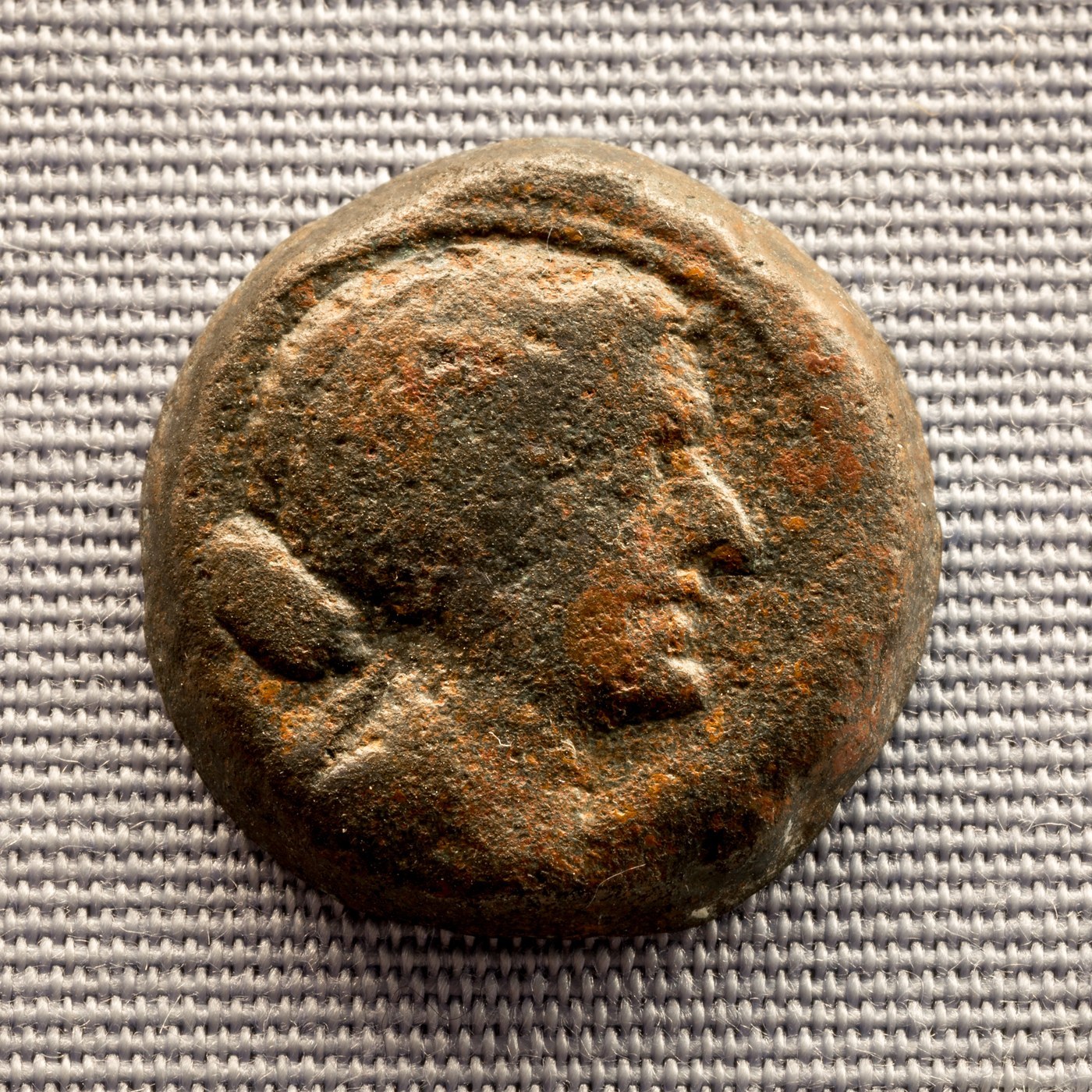
Begin with the portrait, which is the single most important diagnostic. Look for a draped female bust facing left, wearing a diadem, rendered in a bold Hellenistic style with a strong straight nose, a forward-set chin, a rounded eye, and hair waved back to a bun at the neck. This is Cleopatra VII's characteristic image. A youthful male head, a bearded head, or an idealized deity points instead to a different Ptolemaic ruler or an entirely different issue.
Confirm the metal and fabric. This is a bronze (AE) coin, hand-struck on a flan that is frequently irregular or slightly off-center, and it will normally show a brown, green, or earthen patina rather than bright metal. Weigh and measure it: Ptolemaic bronzes span several module sizes, so record the diameter and weight, since these help place the coin among Cleopatra's denominations and distinguish a large heavy piece from a small one.
Study the reverse when it is present. The typical Ptolemaic reverse is an eagle standing on a thunderbolt, often with a denomination mark such as a value letter, or mint control letters in the field. On the coin photographed here the reverse is not shown, so treat identification as provisional from the portrait alone and confirm the eagle type in hand. A reverse showing something other than a standing eagle, such as a cornucopia arrangement or a different emblem, still occurs in the Ptolemaic series and should be checked against reference before firm attribution.
Guard against look-alikes and misattributions. Several Ptolemaic queens named Cleopatra and Berenike appear on the dynasty's coinage, and generic Ptolemaic bronzes with Zeus-Ammon or deity heads are far more common than genuine Cleopatra VII portraits. Do not assume any Ptolemaic bronze is hers simply because of the dynasty; the specific diademed left-facing female portrait, together with the correct reverse and size, is what supports the attribution.
Finally, weigh authenticity carefully, because Cleopatra's fame makes her coins a frequent target for forgery and for optimistic re-attribution of worn Ptolemaic bronze. Watch for the seam and bubbly surface of a cast copy, and for sharp, scratchy detail added by tooling to sharpen a weak face. Given the strong demand attached to the name, a valuable example should rest on specialist cataloguing, a clearly identified reverse, and documented provenance rather than on the portrait side alone.
Frequently asked questions
How do I distinguish Cleopatra VII from other Ptolemaic bronzes?
Look for a specific diademed female bust facing left in Cleopatra's bold Hellenistic style, ideally paired with an eagle-on-thunderbolt reverse and a fitting size. Generic Ptolemaic bronzes with a deity or male head, or an unidentified portrait, should not be attributed to her without those features.
The reverse isn't visible on my coin. Can I still identify it?
You can make a provisional identification from the portrait, metal, and size, but firm attribution is stronger with the reverse. Cleopatra's bronzes typically show an eagle on a thunderbolt, so examine the coin in hand or under good light to confirm the reverse type before finalizing.
What size and weight should I expect?
Ptolemaic bronzes come in several denominations, from small light pieces to large heavy modules. Rather than expecting one figure, measure the diameter and weigh the coin, then compare against reference charts of Cleopatra's series to place the denomination.
What are the main warning signs of a fake?
A seam around the edge, a soft or bubbly surface, and an unnatural patina suggest a cast copy, while sharp scratchy detail on an otherwise worn face suggests tooling. Because Cleopatra's name draws high demand, seek specialist attribution and provenance for any significant purchase.