
How to Identify the Beaver Five Cents (Elizabeth II)
The long-running standard Canadian five-cent design showing a beaver on a log beside water, struck across most of Queen Elizabeth II's reign with a changing obverse portrait but a largely unchanged reverse.
Read the full Beaver Five Cents (Elizabeth II) encyclopedia entry →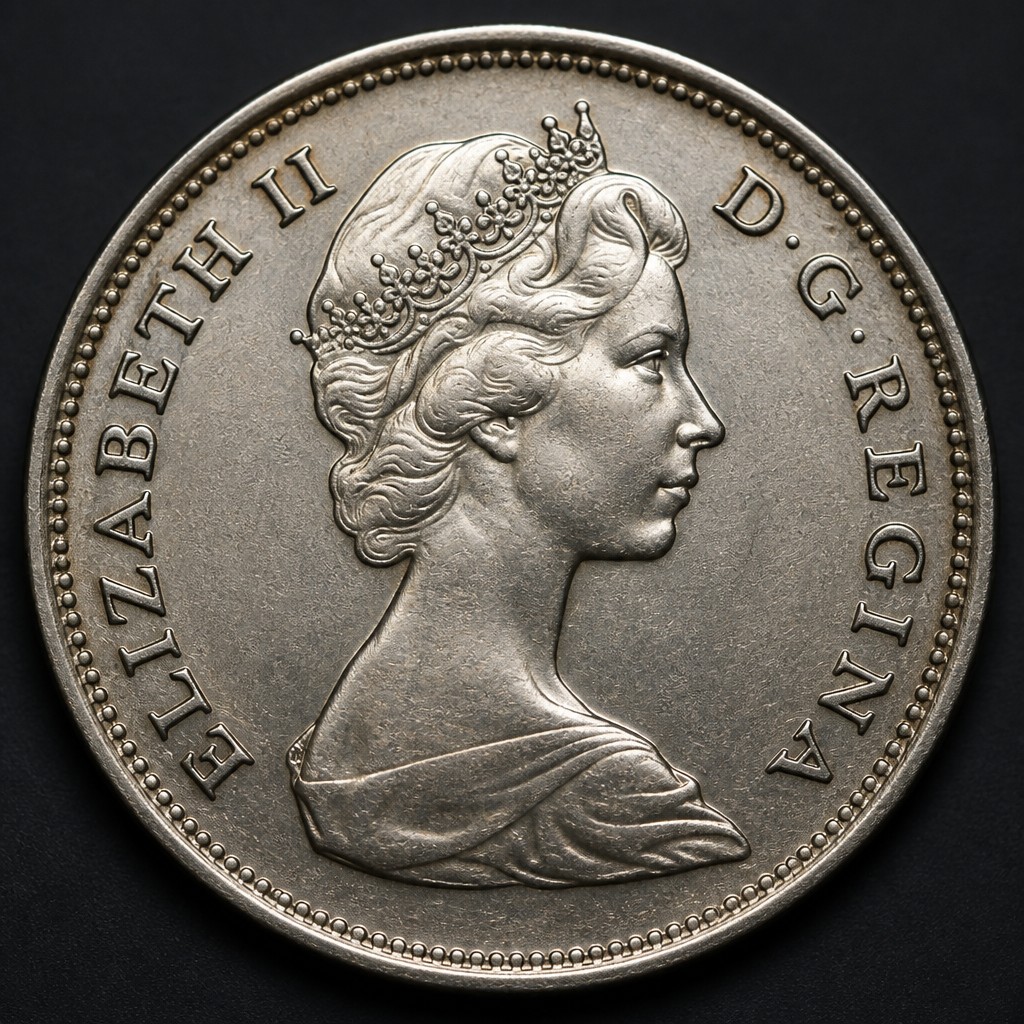
What It Is
This coin represents the classic, everyday Canadian five-cent piece used across most of Queen Elizabeth II's reign, from 1953 into the 2000s and beyond, aside from years when special commemorative designs temporarily replaced it. It continues a beaver reverse design first introduced under King George VI in 1937.
Obverse Design
The obverse carries a portrait of Queen Elizabeth II that was updated several times over her long reign, moving through a handful of officially adopted portrait styles as she aged. The exact portrait style, along with the wording of the legend, can help place a worn coin's approximate era even when the date itself is hard to read.
Reverse Design
The reverse shows a beaver standing on a rock or log next to rippling water, with CANADA and the denomination arranged around the scene and the date below. This design has remained the visual signature of the Canadian nickel for decades.
Size, Weight, Metal & Edge
The coin is round, about 21.2mm in diameter, with a plain edge. Its metal composition changed over time: earlier issues are pure nickel, while coins from the early 2000s onward were switched to nickel-plated steel, making them noticeably lighter and magnetic compared to older issues.
Mint Marks
Coins were produced at the Royal Canadian Mint's Ottawa and Winnipeg facilities, but Canadian circulation coinage does not carry mintmarks, so no such marking distinguishes the two locations.
Telling It Apart From Similar Coins
Because the reverse design changed so little over many decades, the obverse portrait style and legend wording are the best tools for narrowing down roughly when a given coin was struck, with the exact date providing final confirmation. Special commemorative-reverse nickels issued in certain years (marking historical anniversaries or events) stand out clearly from this standard beaver design and should not be confused with it. This coin should also not be confused with the earlier George VI beaver nickel that first introduced the design, which is distinguished only by its different obverse portrait and legend.
Judging Condition
Examine the beaver's fur texture and the log or rock detail on the reverse, along with the queen's hair and portrait details on the obverse, for smoothing or flattening from wear. Because so many examples of this coin exist across so many dates, condition can vary widely, and well-struck, lightly circulated pieces are still fairly easy to find compared with much older or rarer Canadian coins.
Authenticity Red Flags
This is an extremely common coin overall, so counterfeiting is rare. The most useful practical check is a magnet test: modern nickel-plated steel issues are magnetic, while older pure nickel coins are not, which helps confirm whether a coin's claimed composition and era are consistent.
Frequently asked questions
Why do these coins look almost the same across so many years?
The beaver reverse design has remained largely unchanged since it was introduced, so only the queen's obverse portrait style and the date really differ from coin to coin.
How can I roughly date a worn coin without reading the date?
Compare the style of Queen Elizabeth II's portrait and the wording of the legend, since these were updated periodically and can narrow down the general era.
Are all these coins made of the same metal?
No, older issues are pure nickel, while coins from the early 2000s onward are nickel-plated steel, which is lighter and magnetic.
Does the coin have a mintmark showing where it was struck?
No, Canadian circulation coins from this era do not carry mintmarks even though they may have been produced at more than one mint facility.
How do I know if I have a commemorative version instead of the standard design?
Commemorative-year nickels use a noticeably different reverse image tied to a specific anniversary or event, rather than the standard beaver-on-a-log scene.