
How to Identify the Ayyubid Dinar of Saladin
A gold dinar struck under Saladin after he founded the Ayyubid dynasty in 1171, closely following the earlier Fatimid circular script format while naming Saladin's own titles.
Read the full Ayyubid Dinar of Saladin encyclopedia entry →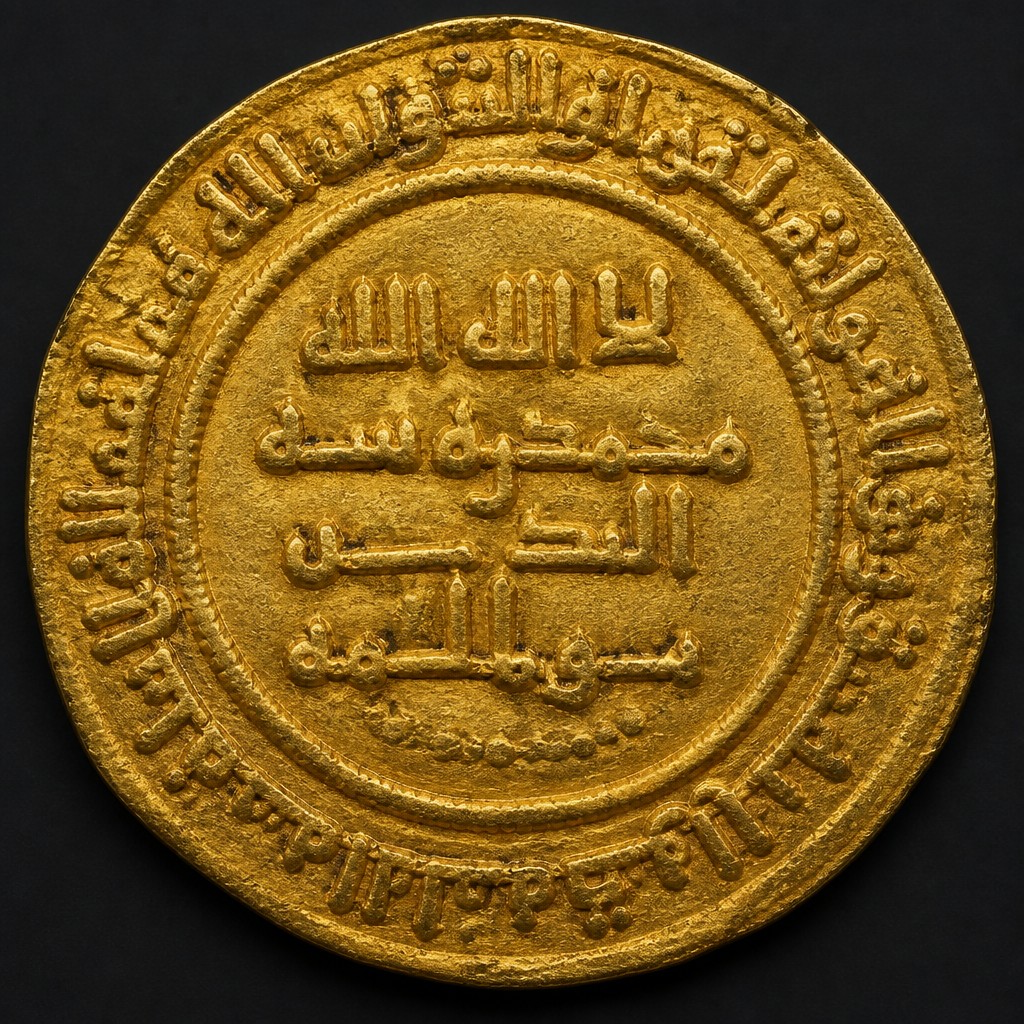
What It Is
Saladin (Salah al-Din) ended Fatimid rule in Egypt in 1171 and founded the Ayyubid dynasty, which controlled Egypt, Syria, and parts of the wider region into the 13th century. Early Ayyubid dinars, including those struck in Saladin's own name, deliberately continued the well-established Fatimid gold dinar format to preserve confidence in the coinage for trade. Saladin is also remembered for leading the Muslim response to the Crusader states and for retaking Jerusalem in 1187, and coins bearing his name are prized today both for their numismatic qualities and for their direct connection to this well-documented historical figure.
Obverse Design
The obverse carries one or more concentric circles of Kufic or naskh-style script, including the shahada and Saladin's chancery titles, such as variations of "al-Malik al-Nasir Salah al-Dunya wa'l-Din Yusuf ibn Ayyub." Some issues also acknowledge the nominal overlordship of the Abbasid caliph in Baghdad.
Reverse Design
The reverse continues the religious and dynastic inscriptions, and the mint city and Hijri date are given in the margin. Naming the reigning Abbasid caliph as suzerain on these coins was a deliberate political statement, reasserting Sunni Abbasid religious authority after nearly two centuries of Shia Fatimid rule in Egypt.
Size, Weight, Metal, and Edge
Ayyubid dinars generally follow the Fatimid weight standard of roughly 4.15-4.25 grams of high-purity gold, on a compact flan around 22-25mm in diameter, similar in overall feel to the Fatimid coins they succeeded.
Mint Marks and Dates
Mint names such as Misr (Cairo), Dimashq (Damascus), or al-Iskandariya (Alexandria) appear spelled out within the circular legends, together with the Hijri date in words.
Telling It Apart from Similar Coins
Because early Ayyubid dinars imitate the Fatimid circular layout so closely, the clearest way to distinguish them is by reading the ruler's name and titles: a Fatimid dinar names a Fatimid imam-caliph, while a Saladin dinar names Saladin and typically references the Abbasid caliph, something a Fatimid coin would never do. Later Ayyubid rulers after Saladin (his sons and other family members who continued the dynasty) issued their own dinars, so identifying the specific ruler requires reading the full name and laqab (honorific title) in the inscription.
Judging Condition at a Glance
Look at how clearly the small Kufic or naskh script reads, especially in the innermost circle carrying the ruler's name, along with how well-centered the strike is and the richness of the gold's natural luster.
Authenticity Red Flags
Confirm the coin's weight and gold fineness match expectations for the period, and check that the script is legible and coherent rather than blurred or invented. Comparing the specific titulature against documented Ayyubid formulas can help catch inconsistencies in a suspect piece, and a coin claiming an implausible combination of ruler name, mint, and date for the known Ayyubid succession should be treated with particular caution.
Frequently asked questions
Why does a Saladin dinar look almost identical to a Fatimid dinar?
Saladin deliberately kept the established Fatimid circular Kufic design after taking power in Egypt in 1171 to maintain trust in the coinage, so the overall layout looks very similar and the ruler's name in the inscription is the key distinguishing detail.
What does it mean if the coin mentions the Abbasid caliph?
Naming the Abbasid caliph as overlord was a political statement reasserting Sunni religious authority after the Shia Fatimid period, and it is a detail Fatimid dinars themselves would never include, helping separate the two.
How do I know if my Ayyubid dinar is Saladin's or a later ruler's?
You need to read the full name and honorific title (laqab) inscribed on the coin, since later Ayyubid rulers who succeeded Saladin issued their own dinars using the same general format.
What weight should a genuine Ayyubid dinar be close to?
Most Ayyubid dinars follow the earlier Fatimid gold standard of roughly 4.15 to 4.25 grams, so a coin significantly outside that range is worth examining more closely.
What's a red flag for authenticity on this coin type?
Blurred, inconsistent, or nonsensical Arabic script, along with an incorrect weight or dull gold color, are the main warning signs to watch for on this heavily imitated coin format.