How to Identify the Australian Threepence
Collector checks for Australia's tiny pre-decimal silver 3d: portrait and legend, size and weight, silver standard, reverse era, and mint marks.
Read the full Australian Threepence encyclopedia entry →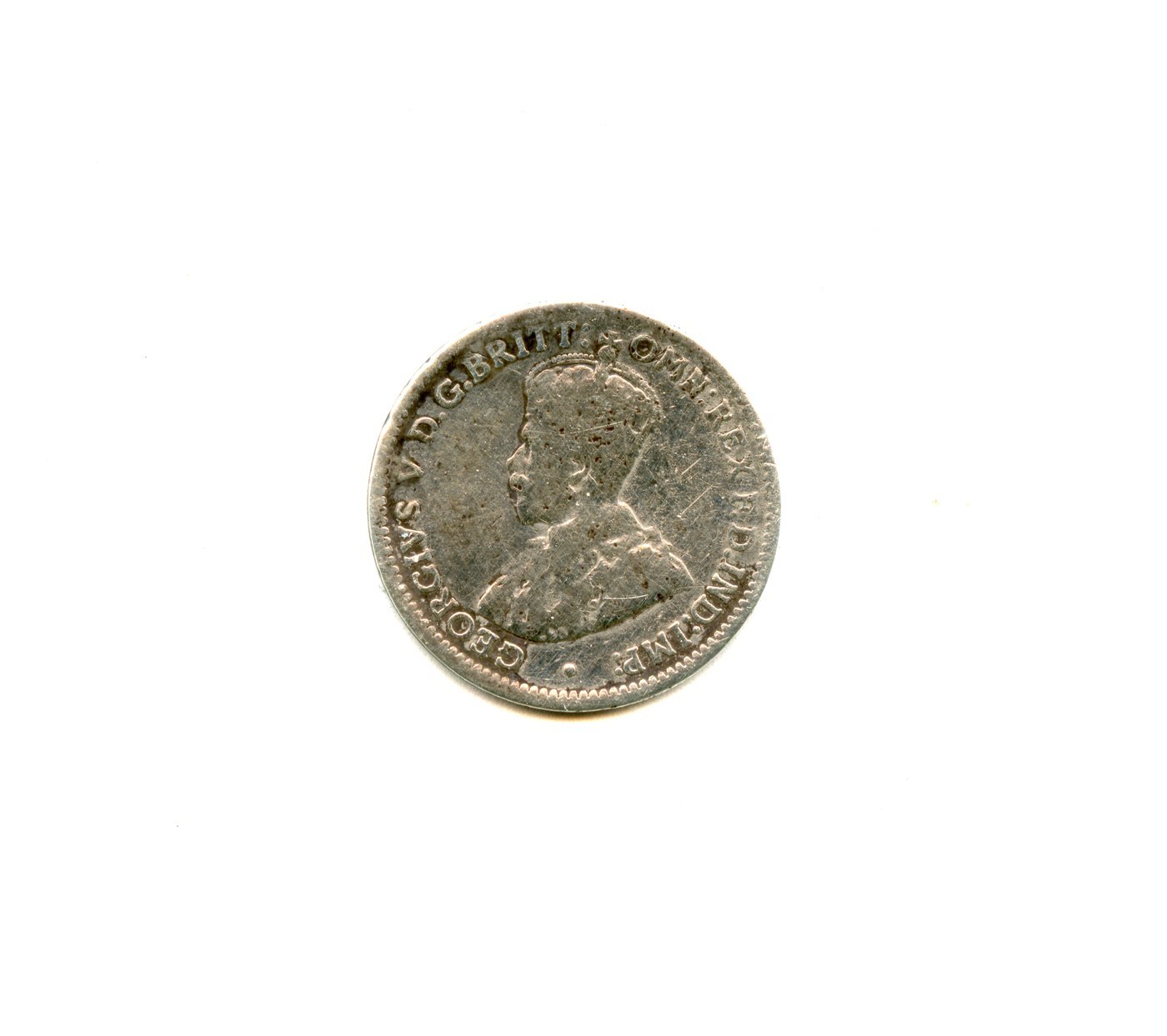
Start with the size, because it is the fastest tell. The threepence is Australia's smallest coin at about 16 mm across and only around 1.4 grams. If a small silver-coloured Australian coin fits comfortably under a fingertip and is noticeably lighter and thinner than a sixpence or shilling, you are likely holding a threepence.
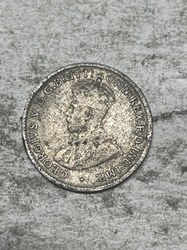
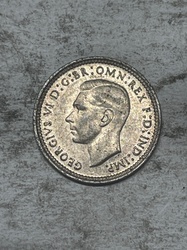
Read the obverse to fix the reign. The coin shown names GEORGIVS V with the titles D:G: BRITT: OMN: REX around a left-facing bare-headed portrait, which places it in the reign of George V (1911-1936). Earlier 1910 coins name Edward VII, while later issues name George VI or Elizabeth II, so the legend tells you which monarch and roughly which era before you even check the date.
Use the reverse to confirm the period and find the date. A Commonwealth coat of arms reverse belongs to the Edward VII and George V issues; a three-stalk wheat reverse belongs to George VI and Elizabeth II. The date is on this face. Look also for small mint-mark letters near the base of the design on some years, which indicate the striking mint and can matter for attribution and value.
Check the metal. A genuine threepence is silver, sterling (0.925) up to 1945 and 50% silver afterward, so it should not stick to a magnet and should have a bright silvery tone rather than the brown of a copper coin. The tiny size makes weight and diameter useful cross-checks against a reference, since worn or altered pieces can drift from the standard.
Mind the look-alikes and cautions. Do not confuse the threepence with the slightly larger silver sixpence, or with British and other Commonwealth threepences that name a different country or ruler in the legend. Because some dates are far scarcer than others, be wary of altered dates on any coin presented as a rare year, and seek authentication from a reputable dealer or grading service for high-grade or scarce examples.
Frequently asked questions
How do I tell a threepence from a sixpence?
The threepence is smaller and lighter, about 16 mm and 1.4 grams, while the sixpence is larger and heavier. Both are silver, so use size and weight, then confirm the denomination by the design and date.
Where is the date on the coin?
The date is on the reverse, the side not shown here. That face carries either the Commonwealth coat of arms (George V and earlier) or three wheat stalks (George VI and Elizabeth II), with the year beneath.
Does the Australian threepence have a mint mark?
Some dates do. Small letters near the base of the reverse design indicate the mint. Not every year is marked, and the mint can affect scarcity, so check it when attributing a coin.
Is a George V threepence rare?
Most George V dates are common in worn grades and trade near silver value, but a few scarce dates and high-grade examples are worth more. Confirm the exact date and condition before assuming rarity.
Australian Threepence identified by the community
Recent Australian Threepence coins identified with Coin Identifier.