
How to Identify the Australian Silver Koala
A guide to identifying the Australian Silver Koala by its yearly-changing koala reverse, royal portrait obverse, Perth Mint P mintmark, and .999 silver purity.
Read the full Australian Silver Koala encyclopedia entry →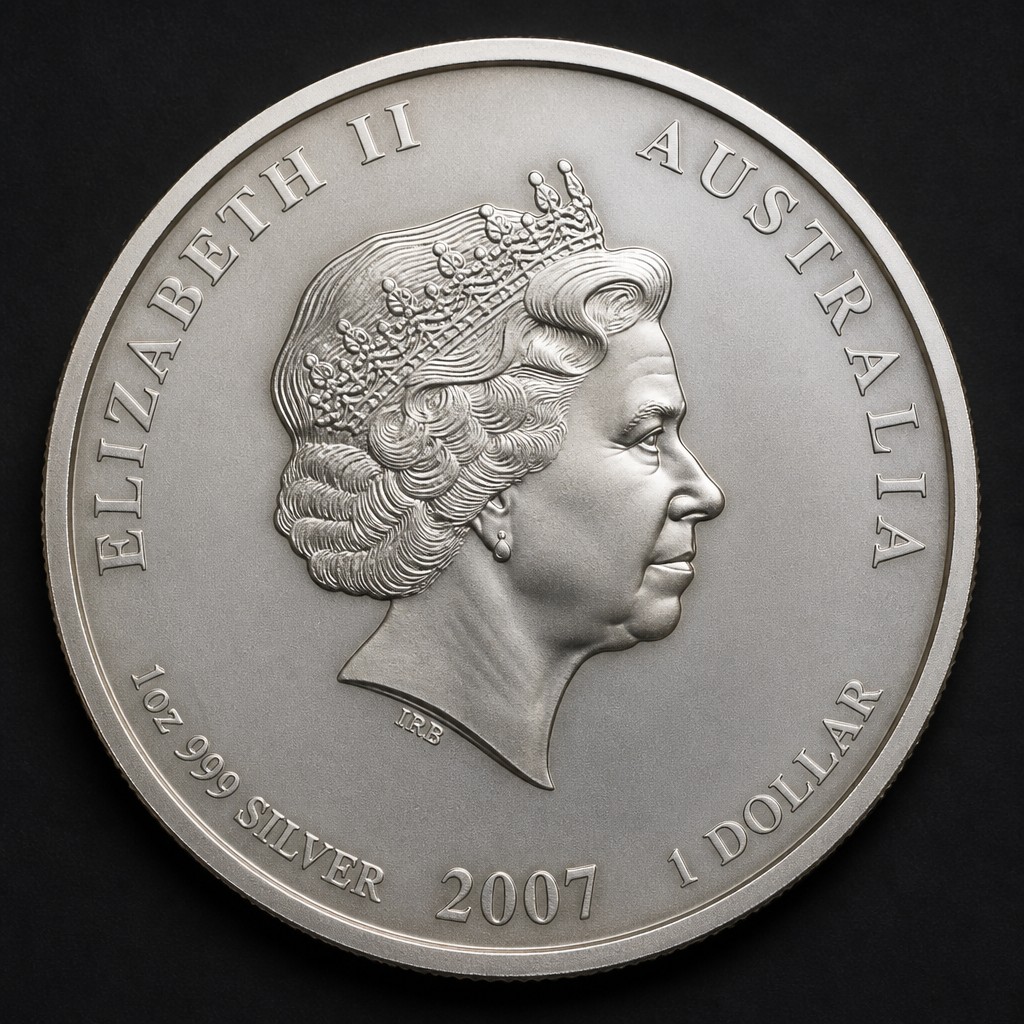
What It Is
The Silver Koala is a bullion coin issued by the Perth Mint, with the modern annually-designed silver series beginning in 2007. Each year's coin features a new depiction of a koala, making the artwork itself a helpful dating clue. The series sits alongside the Perth Mint's other flagship silver programs, the Kookaburra and the Kangaroo, and is popular with collectors specifically because no two years look exactly alike.
Obverse Design
The obverse shows a portrait of the reigning monarch - Queen Elizabeth II on earlier coins, King Charles III on the most recent issues - along with "AUSTRALIA" and the coin's face value.
Reverse Design
The reverse depicts a koala, typically shown in a eucalyptus (gum) tree, with the pose, number of koalas, and background varying from year to year. "AUSTRALIAN KOALA," the weight and fineness, and the date appear in the design.
Size, Weight, and Metal
Silver Koalas are struck in .999 fine silver, most commonly in a 1 oz size, though other weights have been produced in certain years.
Mint Marks and Where to Find Them
A small "P" mintmark appears within the design, identifying the Perth Mint as the coin's source.
Telling It Apart From Similar Coins
Compare the koala's pose and the tree or background details to the known design for the stated year. The Koala is distinguished from the Kookaburra by its mammal-versus-bird reverse subject, and from the Kangaroo series by its different animal and layout.
Judging Condition at a Glance
As with other silver bullion coins, look for even satin luster and crisp definition in the koala's fur texture and the leaves of the gum tree. Silver develops natural toning over time, and handling marks reduce eye appeal without necessarily affecting authenticity. A coin that has stayed in its original mint capsule usually keeps a bright, frosty surface, while one that has passed through several hands often shows small rim knocks and a scattering of light hairlines across the background.
Authenticity Red Flags
Verify the "P" mintmark is present and correctly placed, confirm the coin's weight and diameter match official specifications, and be cautious of surfaces that look grainy or cast rather than sharply struck. A coin that shows no magnetic response is expected for genuine silver; any magnetic pull is a warning sign. It is also worth weighing the coin on an accurate scale, since underweight fakes are common in fractional and novelty silver rounds that mimic official bullion designs, and checking that the edge reeding matches a known-genuine example of the same year and size.
Frequently asked questions
When did the annually-designed Silver Koala series begin?
The Perth Mint began issuing a new koala design each year starting in 2007.
Where is the mint mark on a Silver Koala?
A small 'P' appears within the coin's design, identifying the Perth Mint.
How is the Koala different from the Kookaburra coin?
Both are Perth Mint silver bullion coins with yearly-changing designs, but the Koala shows the marsupial in a gum tree while the Kookaburra shows the bird.
What purity is the Silver Koala struck in?
.999 fine silver.