
How to Identify the Artuqid Bronze Dirham
A practical guide to recognizing a 12th-century Artuqid inscriptional bronze by its script, borders, fabric, and patina.
Read the full Artuqid Bronze Dirham encyclopedia entry →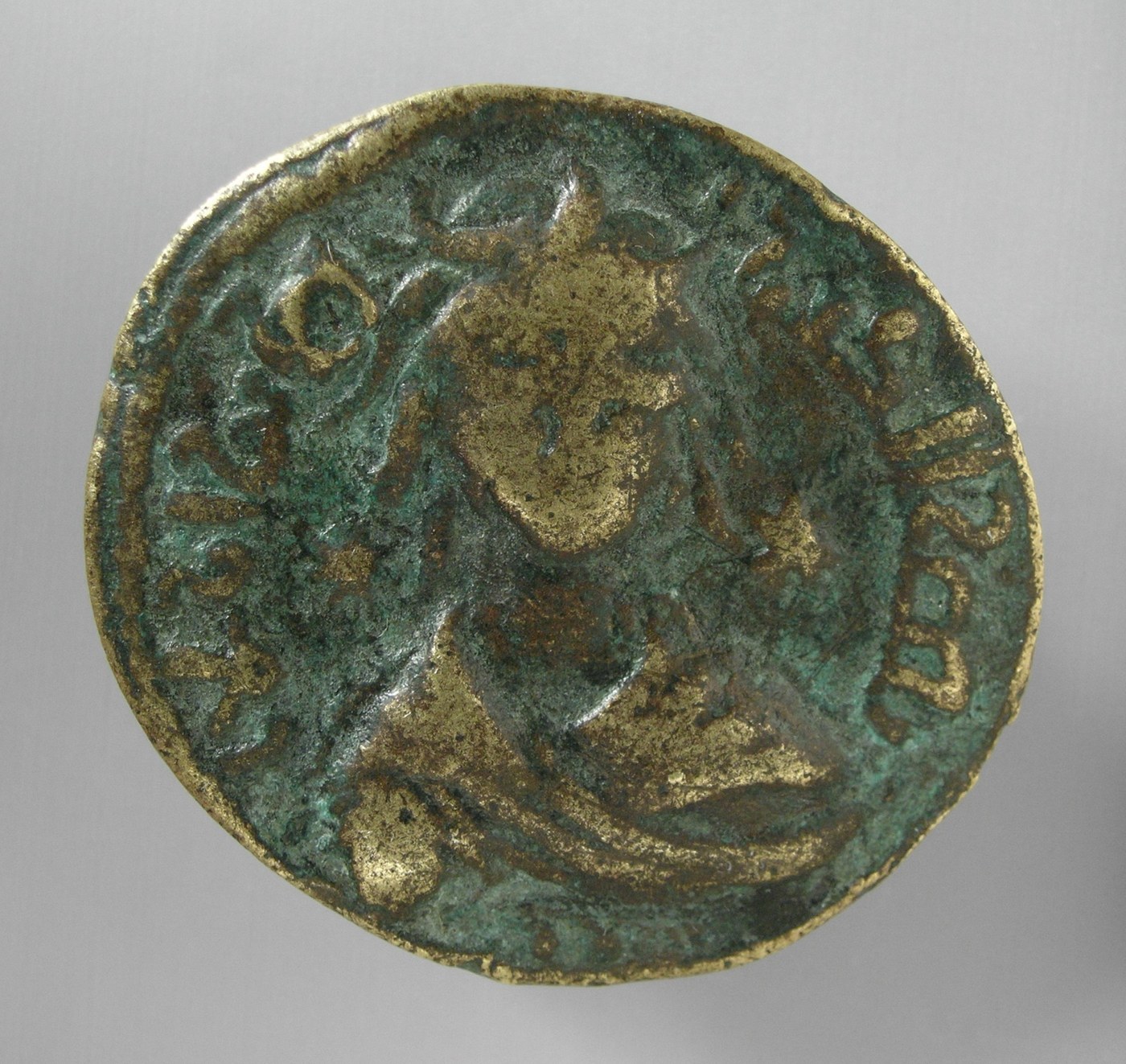
Start with the metal and fabric. This is a bronze (copper-alloy) coin, not silver, so expect a warm brown core beneath a brown-to-green patina and a thick, hand-struck flan with uneven edges. The weight and diameter of Artuqid bronzes vary widely, so do not rely on a single measurement; use fabric, patina, and design together.
Examine both faces for Arabic inscriptions framed by ornamental borders. On this type there is no portrait or astrological head—only calligraphy (Kufic or naskh) arranged in lines or circular legends, each ringed by dots, beads, or linear ornament. Read the legends where possible: Artuqid issues typically name the ruler and his titles and often acknowledge a Seljuq sultan or the Abbasid caliph, which is a strong attribution clue.
Expect the imperfections of hand striking: off-center designs, flat or weak spots, doubled letters, and legends that run off the flan. These are normal and not signs of a fake. What should concern you is a suspiciously smooth, uniform surface, sharp cast seams, or a bubbly texture, all of which can indicate a cast reproduction rather than a struck original.
Distinguish this inscriptional type from the celebrated figural Artuqid bronzes, which show Byzantine-, classical-, or astrological-style heads and busts. If your coin has two calligraphic faces with ornamental borders and no imagery, it belongs to the epigraphic group. Also separate it from neighboring Zangid, Seljuq of Rum, and Ayyubid coppers, which can look similar; the specific names and titles in the legend are the deciding factor.
For authentication, weigh and measure the coin, photograph both sides in raking light to bring up the script, and compare the legends and ornament against published references or a specialist's attribution. Avoid harsh cleaning: original patina is both a value factor and an authenticity indicator, and stripping it can destroy the details needed to identify the ruler and mint.
Frequently asked questions
How can I tell an inscriptional Artuqid bronze from a figural one?
Look at the imagery. The inscriptional type has Arabic legends inside ornamental borders on both sides and no human or astrological figure. Figural Artuqid bronzes prominently feature a head, bust, or classical scene.
What features help attribute the coin to a specific ruler?
The Arabic legends themselves. They usually spell out the ruler's name and titles and often the overlord being acknowledged. Reading or matching these against published references is the surest route to attribution.
Should I clean the coin to read the inscriptions better?
No. Aggressive cleaning removes original patina, harms value, and can erase fine detail. Instead use good raking light and magnification, and consult a specialist if the legends remain unclear.
How do I spot a cast fake?
Genuine pieces are struck, so they show honest strike weakness and off-centering but crisp metal flow. Casts often have soft mushy detail, a granular or bubbly surface, and mold seams at the edge.