
How to Identify the Aratame Sanbu Sadame
A collector's checklist for the Aratame Sanbu Sadame: reading its inscription and 1859 date, judging the dragon and sun designs, and spotting reproductions.
Read the full Aratame Sanbu Sadame encyclopedia entry →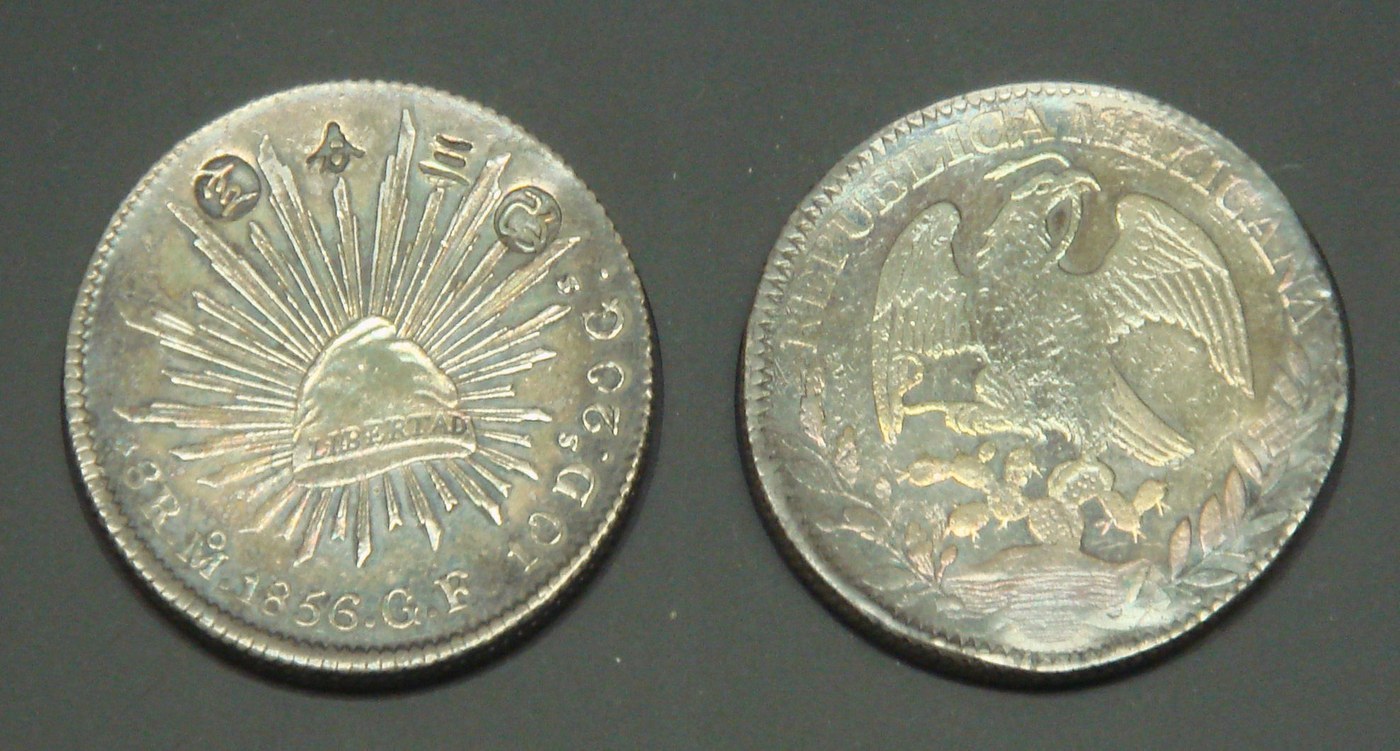
Begin with the inscription, which is the single most important diagnostic. Locate the four characters 改三分定 (Aratame Sanbu Sadame) in the Japanese text surrounding the dragon; the phrase means the coin is "revised and fixed at three bu." Confirm the 1859 date, which corresponds to Ansei 6. If the legend or date differs, you are looking at a different piece.
Examine the two designs. One face carries a dragon encircled by Japanese characters; note whether it is coiled or elongated and how detailed the scales, claws, and face are. The other face shows a radiating sun — a central disc surrounded by rays or beads — inside a floral and decorative border. Crisp, evenly detailed relief points toward a struck coin, while soft, rounded, or blurry detail and visible seams point toward a cast copy.
Measure and weigh the coin. Record the diameter, thickness, and weight, and inspect the edge for reeding, plainness, or a casting seam. These physical figures are more reliable than appearance, because a silver color can come from base metal or plating. Compare your measurements against reference examples of Japanese silver coinage rather than trusting the design at face value.
Watch for the key look-alike issue: authentic Edo-period bu silver was generally a small rectangular stamped bar, not a round pictorial coin, while the dragon-and-sun round-coin format belongs mostly to Japan's later Meiji machine-struck era. A round dragon-and-sun piece dated 1859 mixes an authentic Bakumatsu inscription with later-style imagery, which is exactly the pattern seen on many commemorative, novelty, and reproduction coins.
Apply authentication caution throughout. Because this design is frequently reproduced, do not rely on the silver color, the dragon, or the date to establish age or metal. Look for consistent, honest wear and toning rather than artificial coloring, and for any piece you think may be genuinely old, obtain an opinion from a specialist in Japanese coins or a third-party grading service before buying, selling, or insuring it.
Frequently asked questions
Which side is the front of the coin?
Collectors generally treat the face bearing the dragon and the main Japanese inscription, including 改三分定, as the obverse. The radiating sun within its floral border is treated as the reverse. Both designs together, plus the inscription, are what identify the type.
How do I read the date on this coin?
This piece is dated 1859, which corresponds to Ansei 6 in the Japanese era-name system used at the time. That year marks the opening of Japan's treaty ports, the historical context behind the coin's revaluation inscription.
How can I tell an original from a reproduction?
Check fabric and measurements rather than design. Struck originals show crisp, even relief and a consistent weight and diameter; cast copies often show soft detail, seams, or off weights. Because round dragon-and-sun pieces of this type are widely reproduced, treat authenticity as unproven until a specialist confirms it.
Is a dragon coin dated 1859 unusual?
Yes, worth noting. Japan's round, machine-struck dragon coinage is chiefly associated with the Meiji era from about 1870 onward, so a round dragon-and-sun coin carrying an 1859 date combines an earlier inscription with later-style imagery and should be examined carefully.