
How to Identify the Antoninianus of Carus
A collector's guide to attributing a Carus antoninianus by its bearded radiate portrait, reverse figure, size, metal, and mint marks.
Read the full Antoninianus of Carus encyclopedia entry →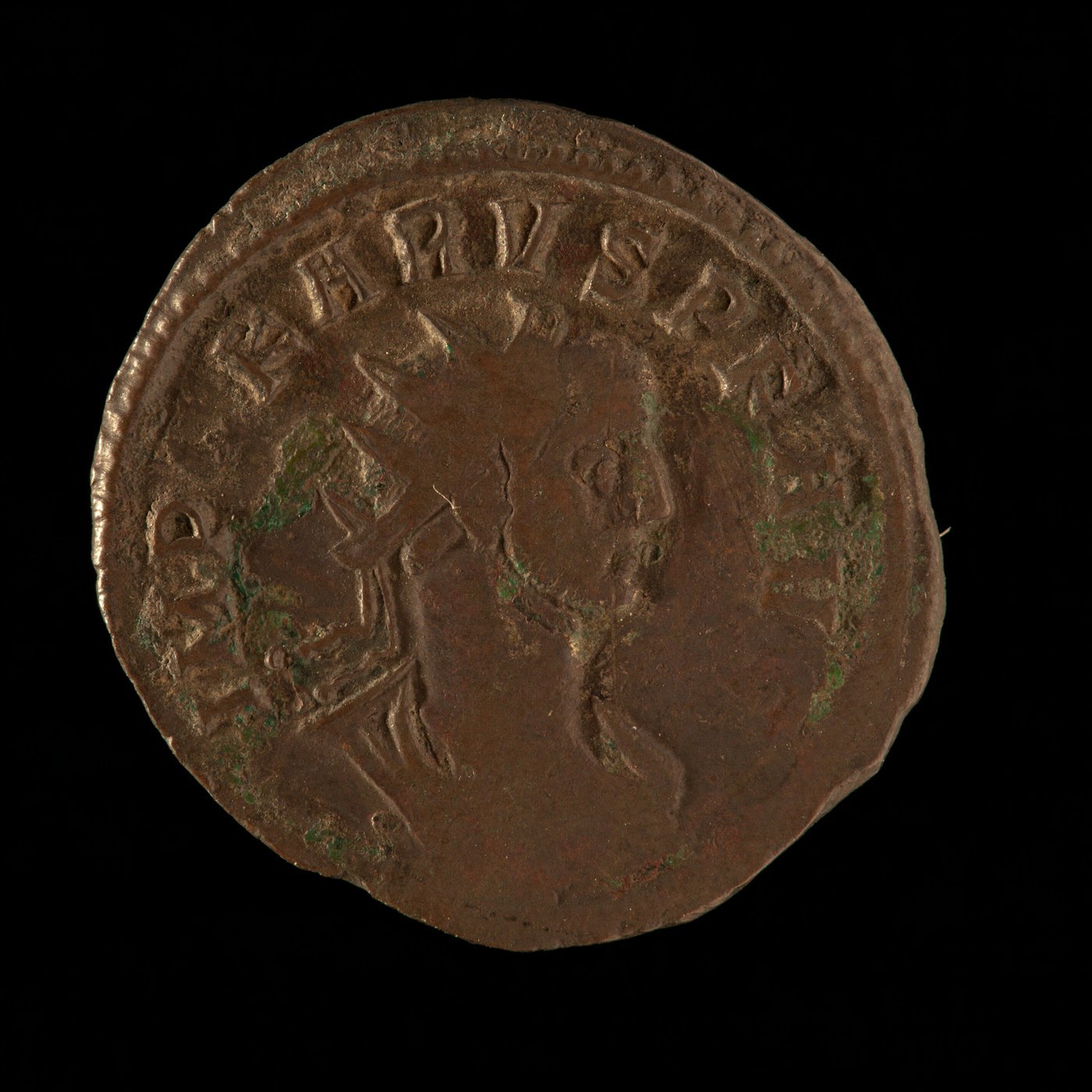
Begin with the obverse portrait. A genuine antoninianus of Carus shows a mature, bearded male head facing right wearing a radiate crown of pointed spikes rather than a laurel wreath. Read the encircling legend for the name CARVS, most often in a form such as IMP C M AVR CARVS P F AVG; the older, bearded features help separate him from youthful contemporaries like his sons Carinus and Numerian.
Next examine the reverse. Expect a single standing figure, a deity or personification, holding identifying attributes: Pax with a branch and scepter, Providentia with a wand and cornucopia, Salus feeding a serpent, or Victoria with a wreath and palm. The reverse legend names the type, so matching the figure's attributes to that legend is the key attribution step.
Check the physical coin. Diameter should fall roughly in the 20-23 mm range with a weight near 3-4.5 grams. The fabric is bronze, often with traces of a silver wash, so a brown, dark, or patchy silvery surface is normal and expected; a bright, solid-silver appearance would be out of character for the period.
Look to the reverse exergue and lower field for a mint mark, a short string of letters identifying the mint (such as Rome, Ticinum, Siscia, Cyzicus, or Antioch) and its officina. These marks are an important secondary confirmation and help distinguish otherwise similar coins struck at different mints.
Beware of look-alikes and fakes. Radiate antoniniani of neighboring emperors, especially Probus before him and his own sons after, share the same format and standing-figure reverses, so always confirm the obverse name. Cast copies show mold seams, surface bubbles, or a soft mushy strike, while genuine coins are struck with crisp detail on the high points. When authenticity or value matters, compare the exact obverse and reverse legends and mint mark against a standard reference such as RIC rather than relying on the portrait alone.
Frequently asked questions
What is the single fastest way to attribute this coin?
Read the obverse legend for CARVS and confirm the bearded head with a radiate crown; that narrows it to Carus, then use the reverse legend to name the type.
Why does my coin look brown or bronze instead of silver?
By this period the antoninianus was a bronze coin with only a thin silver wash. That coating usually wears off, leaving the normal brown or dark surface you see today.
What do the letters in the reverse exergue mean?
They are a mint mark identifying the mint and workshop that struck the coin. They are a useful secondary check and help separate similar coins from different mints.
Could this actually be a coin of Carinus or Numerian?
It can look very similar, since his sons used the same radiate format. The bearded, older portrait points to Carus, but always verify the emperor's name in the obverse legend.