
How to Identify the Antoninianus of Caracalla
A collector's guide to spotting the radiate crown, silver-alloy fabric, and standing-figure reverses that mark Caracalla's antoninianus.
Read the full Antoninianus of Caracalla encyclopedia entry →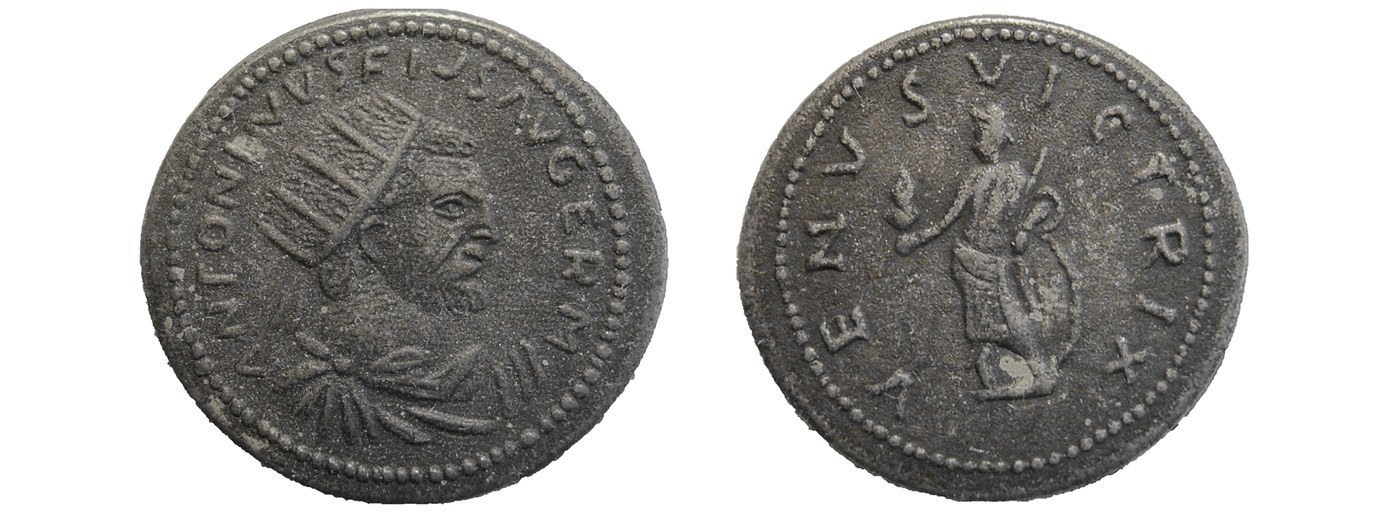
Start with the crown, because it is the single most diagnostic feature. An antoninianus shows the emperor wearing a radiate crown of pointed spikes; a laurel wreath instead means you are looking at a denarius. On these coins the obverse is a radiate, cuirassed bust of Caracalla facing right. Read the legend around the edge: it should open with ANTONINVS and carry imperial titles such as PIVS AVG GERM, confirming the ruler.
Next, weigh and measure the coin. A genuine Caracalla antoninianus is about 22-24 mm in diameter and roughly 5 grams, noticeably larger and heavier than a denarius of the same reign. The metal is a silver alloy (billon); early issues of this denomination tend to show a pale, greyish silver surface rather than the coppery tone and thin silver wash typical of the badly debased radiates struck decades later. Hand-struck fabric, slight flan irregularity, and centering that leaves part of the legend off the edge are all normal for the period.
Read the reverse figure and its legend. Caracalla's antoniniani commonly show a single standing deity or personification, and matching the attributes to the legend is how the type is attributed. A winged figure holding a wreath and palm is Victory; a radiate standing figure with a raised hand is often Sol; other reverses feature Jupiter, Serapis, or a seated or standing virtue. The reverse legend names the figure and, together with the emperor's titles, helps place the coin within the AD 215-217 window.
Be alert to look-alikes and fakes. Radiate antoniniani of later emperors (Gordian III, Philip I, and many others) share the crown but carry different names in the legend, so always read the obverse text rather than relying on the crown alone. Cast counterfeits, tooled surfaces, and modern "museum" reproductions exist; warning signs include a seam around the edge, a soft or grainy surface, mismatched portrait and legend styles, and weight far outside the normal range. For anything bought as an investment, seek attribution from a specialist in Roman imperial coinage or a coin with reputable provenance.
Frequently asked questions
What is the quickest way to tell a Caracalla antoninianus from his denarius?
Check the crown. A radiate crown of spikes marks the antoninianus; a laurel wreath marks the denarius. The antoninianus is also larger and heavier, around 22-24 mm and about 5 grams.
How do I know the coin is Caracalla and not another radiate emperor?
Read the obverse legend. Caracalla's coins begin with ANTONINVS and include titles like PIVS AVG GERM. Many later emperors struck radiate coins, so the name in the legend, not the crown, identifies the ruler.
The silver looks dull or grey. Is that a problem?
Not necessarily. These are billon coins, and a pale grey tone is normal for early antoniniani. Heavy porosity, a visible casting seam, or a coppery core showing through can be warning signs of debasement issues or a forgery.
How can I identify the reverse type?
Match the standing figure's attributes to the reverse legend. A wreath and palm indicate Victory; a raised hand and radiate head suggest Sol. Other types show Jupiter, Serapis, or a personified virtue named in the surrounding text.