
How to Identify the Ancient Sicilian Silver Coin
A collector's guide to recognizing Sicilian Greek silver by its goddess head, two-horse chariot, hand-struck fabric, and Greek legends.
Read the full Ancient Sicilian Silver Coin encyclopedia entry →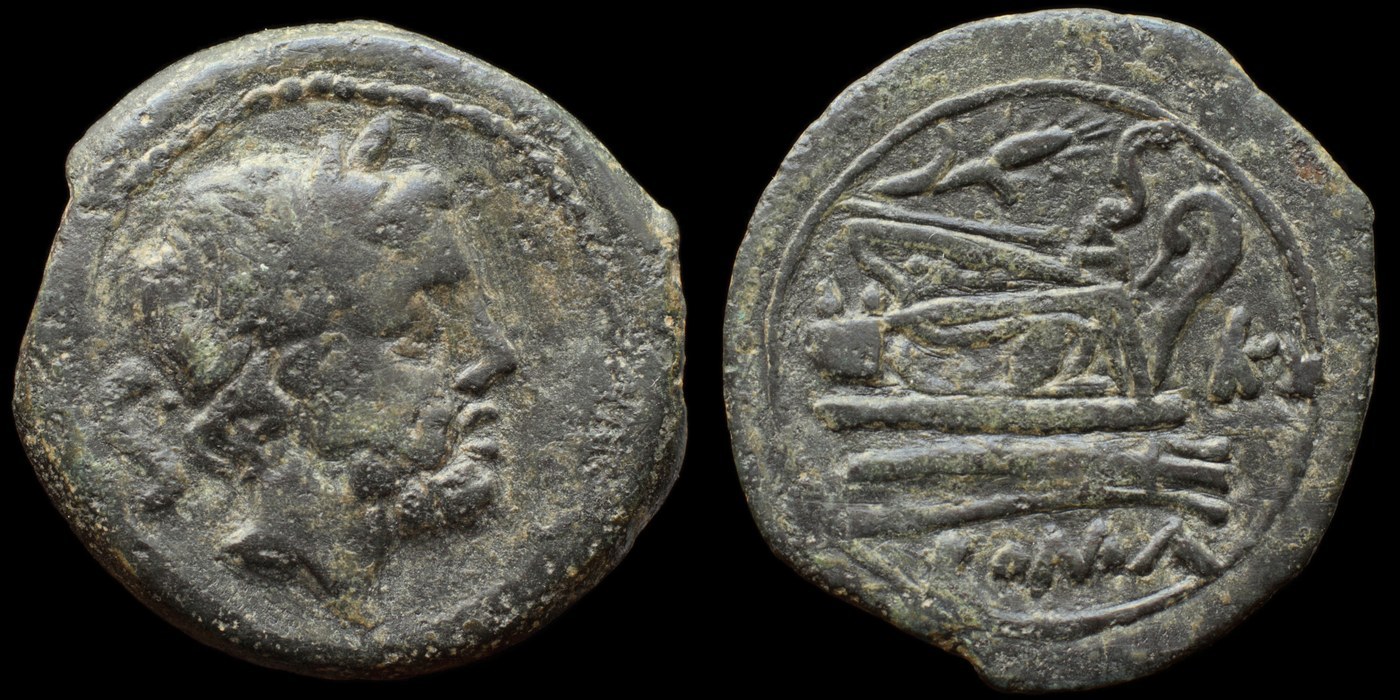
Begin with the two central motifs. A coin of this family shows a female head in profile, facing right, on the obverse and a two-horse chariot, the biga, on the reverse. The head is a goddess or nymph and may be ringed by small emblems such as dolphins, grain ears, or a wreath; the reverse driver holds the reins of a galloping pair of horses, occasionally with a small winged Nike above. That head-and-chariot pairing is the quickest way to place a coin in the Sicilian Greek tradition.
Examine the fabric and metal. This should be hand-hammered silver, so the flan is irregularly round, sometimes off-center, with uneven edges and high, sculptural relief rather than the flat, uniform look of a machine-made modern coin. Natural gray or muted cabinet toning is normal; a bright, evenly shiny surface is a warning sign of a cast or plated reproduction.
Search the fields for Greek lettering. A legible ethnic, the city name in Greek characters, is the single best clue to the issuing mint and can separate a Syracusan piece from those of Gela, Akragas, Katane, or other centers. On many surviving coins the legend is worn, weakly struck, or off the flan, in which case the coin can only be described broadly as Sicilian Greek silver without firm attribution.
Measure diameter and weight to gauge the denomination. Large heavy pieces correspond to tetradrachms, mid-sized to didrachms and drachms, and small thin ones to fractional litrai. Because many Sicilian and south Italian mints shared the nymph-and-chariot theme, do not assume a specific city or ruler from style alone; look-alikes are common, and ancient and modern copies both exist. For anything of potential value, have the coin authenticated and attributed by a specialist in ancient Greek coins and confirm lawful provenance before relying on any identification.
Frequently asked questions
What is the fastest way to recognize a Sicilian Greek silver coin?
Look for the classic pairing of a right-facing female goddess or nymph head with a two-horse chariot on the reverse, struck in hand-hammered silver with irregular shape and high relief.
How can I tell which city struck it?
The Greek legend, the city name in the field, is the key. When it is legible it points to a mint such as Syracuse or Gela; when worn or off the flan, the coin can only be called Sicilian Greek silver without a firm attribution.
How do I estimate the denomination?
Weigh and measure it. Large heavy coins are typically tetradrachms, mid-sized ones didrachms or drachms, and small thin pieces fractional silver such as litrai. Denomination cannot be judged from the design alone.
Should I worry about fakes?
Yes. Ancient Sicilian silver is widely copied, both in antiquity and today. Watch for unnaturally bright surfaces, seams, or perfectly regular flans, and have any promising coin examined by a specialist before assigning value.