
How to Identify the Almoravid Gold Dinar
A collector's guide to spotting an Almoravid dinar: concentric Arabic legends, small pure-gold flan, and mint-and-date margins that separate it from look-alikes.
Read the full Almoravid Gold Dinar encyclopedia entry →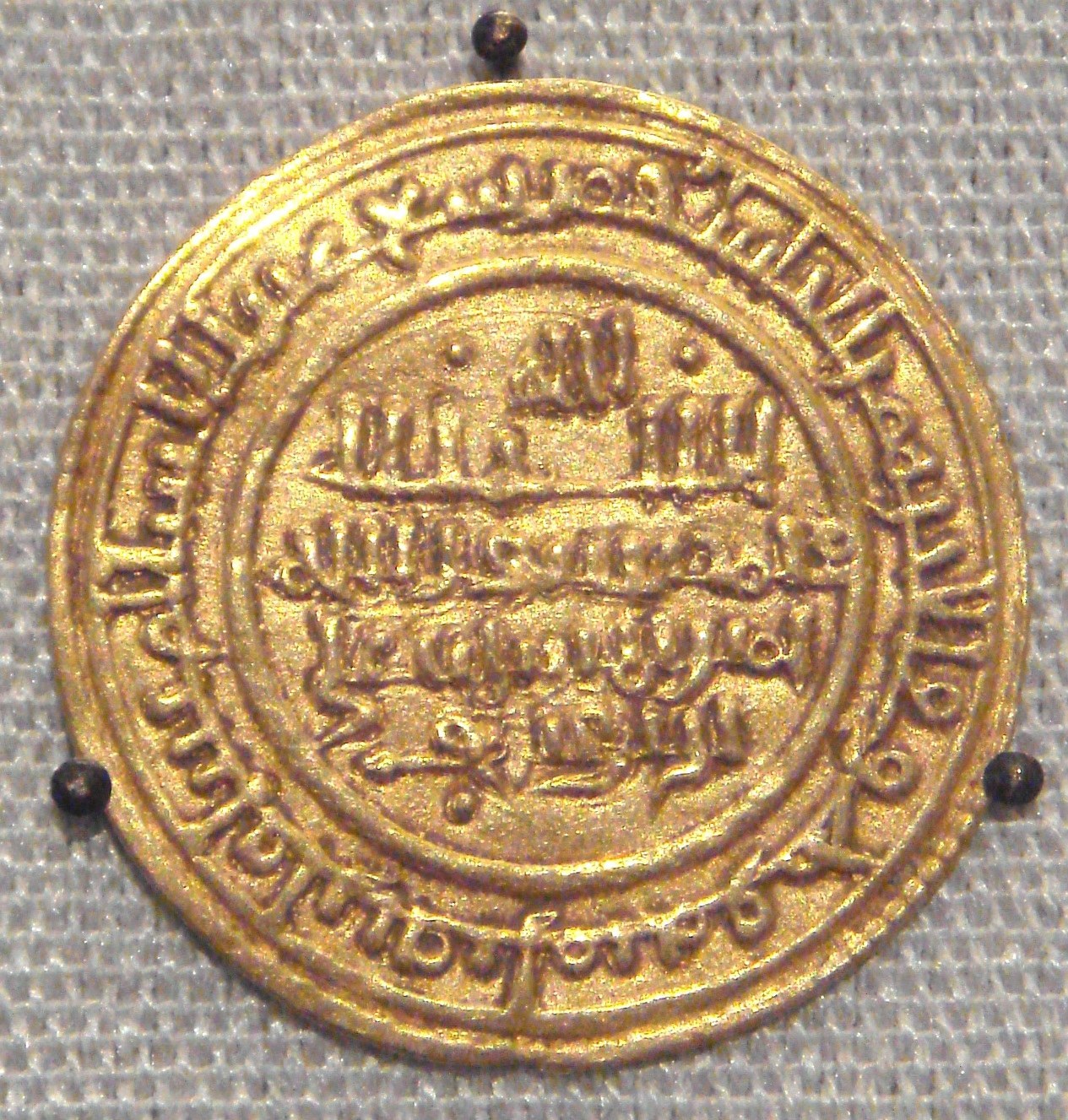
Start with the overall look. An Almoravid dinar is entirely epigraphic. Both faces are filled with Arabic script arranged as a central inscription surrounded by one or more concentric circular bands. If you see any portrait, animal, cross, or figural device, it is not an Almoravid dinar. The script is clean and largely cursive (naskhi) rather than the angular Kufic seen on many earlier dinars.
Check the fabric and metal. Genuine dinars are small (roughly 23–27 mm), thin, and struck in high-purity gold with a rich, warm yellow tone and no coppery or pale tint. A full dinar weighs about 4 grams; fractional half and quarter dinars are proportionally lighter. A specific-gravity or non-destructive metal test is a useful check, since the near-pure gold is hard to fake convincingly at the correct weight.
Read the margins to attribute the coin. The outer band on one face usually names the mint and the Hijri year; the central legends carry the profession of faith, a Quranic verse, and the names and titles of the Almoravid ruler and his heir, along with recognition of the Abbasid caliph. For a piece dated 1116 CE, expect the ruler Ali ibn Yusuf. Common Andalusian (Spanish) mints include Seville, Granada, and Almería; North African mints include Aghmat, Sijilmasa, and Marrakesh.
Distinguish it from look-alikes. The main confusables are later Almohad or Nasrid gold, contemporary Christian Iberian imitation "maravedís" that copy the Arabic legends, and modern replicas. Imitations and later issues often show garbled or nonsensical script, wrong titles, or off metal. Compare the legends against a published reference (such as Hazard's catalogue of the Almoravids) to confirm the ruler, mint, and date.
Authenticate with care. Weight and diameter that fall outside the expected range, a suspiciously bright or brassy color, cast-like softness or seam lines, and lettering that does not resolve into meaningful Arabic are all warning signs. For any higher-value or scarce-mint example, seek an opinion from a specialist in Islamic coinage or a reputable grading service before purchase.
Frequently asked questions
How can I tell an Almoravid dinar from a Christian imitation maravedí?
Both can look similar, but genuine Almoravid legends read as coherent Arabic naming a known ruler, mint, and date. Imitations often carry garbled or blundered script, incorrect titles, or slightly different metal and fabric.
Do I need to read Arabic to identify it?
Not fully, but attribution to a specific ruler, mint, and year requires reading the marginal legends. A reference catalogue or a specialist can match the inscriptions for you.
What size and weight should a genuine dinar be?
A full dinar is roughly 23–27 mm across, thin, and about 4 grams of near-pure gold. Values well outside that range suggest a fraction, a different coin, or a fake.
Are Almoravid dinars commonly faked?
Modern replicas and cast copies exist. Watch for wrong weight, brassy color, soft cast detail, seam lines, or script that does not resolve into real Arabic, and authenticate valuable pieces with an expert.