
How to Identify the Akçe
A collector's guide to recognizing the tiny Ottoman silver akçe by its Arabic calligraphy, small thin flan, and hand-struck fabric.
Read the full Akçe encyclopedia entry →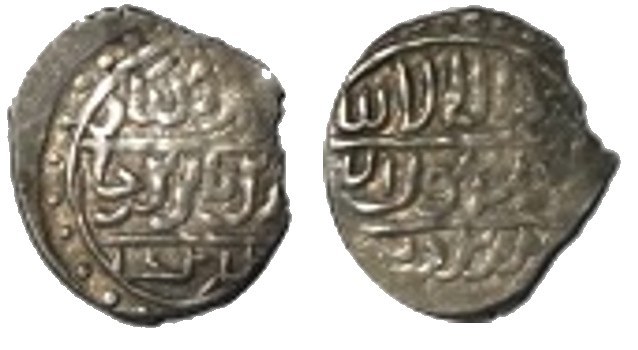
Confirm the Epigraphic, Image-Free Design
Start by checking that both faces are covered entirely in Arabic-script inscriptions with no portrait, animal, or figural device. The akçe is purely epigraphic: you should see lines of calligraphy, typically the sultan's name and titles on one side and religious or mint-and-date wording on the other. If the coin shows a bust, coat of arms, or any picture, it is not an akçe.
Check Size, Weight, and Fabric
The akçe is unmistakably small and thin. Expect a diameter well under 15 mm and a weight often around a gram or less, on an irregular, hand-hammered flan rather than a perfectly round machine-struck blank. The metal is silver, usually a pale or toned gray. A large, thick, or perfectly round coin of this style is more likely a different or later denomination.
Read the Legends for Mint and Date
Where the strike allows, look for the sultan's name, honorific titles, and a mint-and-date formula in the Arabic legend. Because the dies were larger than the blanks, much of the text may run off the edge, so full attribution often requires matching what survives against specialist Ottoman references. Do not expect every coin to show a complete, readable inscription.
Rule Out Look-Alikes
Many medieval Islamic silver coins are small and epigraphic, so the akçe can resemble issues of neighboring Anatolian beyliks, Mamluk, or other dynastic silver. Size, fabric, and the specific wording of the legends distinguish them. Later Ottoman fractional silver and the European-named asper of other states can also be confused with early akçes; comparing calligraphic style and the ruler's name helps separate them.
Authentication Cautions
Because the coins are small and hand-struck, genuine examples vary widely and often look crude, which both complicates and, ironically, helps authentication. Be wary of cast copies with soft, blurry lettering, seams, or bubbly surfaces, and of pieces with suspiciously crisp, uniform detail. Given the modest value of common akçes, deception is less common than with high-value coins, but attribution to a scarce reign or mint should be confirmed against trusted references or a specialist.
Frequently asked questions
How can I tell an akçe from another small Islamic silver coin?
Compare the calligraphic style and the ruler's name in the legend. Akçes name Ottoman sultans and use characteristic Ottoman fabric; neighboring beyliks and other dynasties used different names and layouts.
What size confirms it is an akçe?
A very small, thin silver piece, typically well under 15 mm and about a gram or less, hand-struck on an irregular flan. Larger or thicker coins point to other denominations.
Why can't I read the whole inscription?
The dies were bigger than the blanks, so part of the legend falls off the edge on almost every coin. Incomplete text is normal; attribution relies on the portion that survives.
Should I get an akçe authenticated?
Common examples are low in value and rarely faked, so basic authentication is often unnecessary. For coins attributed to a scarce reign or mint, confirm the identification with specialist references or an expert.