
How to Identify the Abbasid Silver Dirham
A collector's guide to recognizing an Abbasid dirham: its thin silver flan, concentric Kufic inscriptions, mint-and-date marginal legend, look-alikes and fakes.
Read the full Abbasid Silver Dirham encyclopedia entry →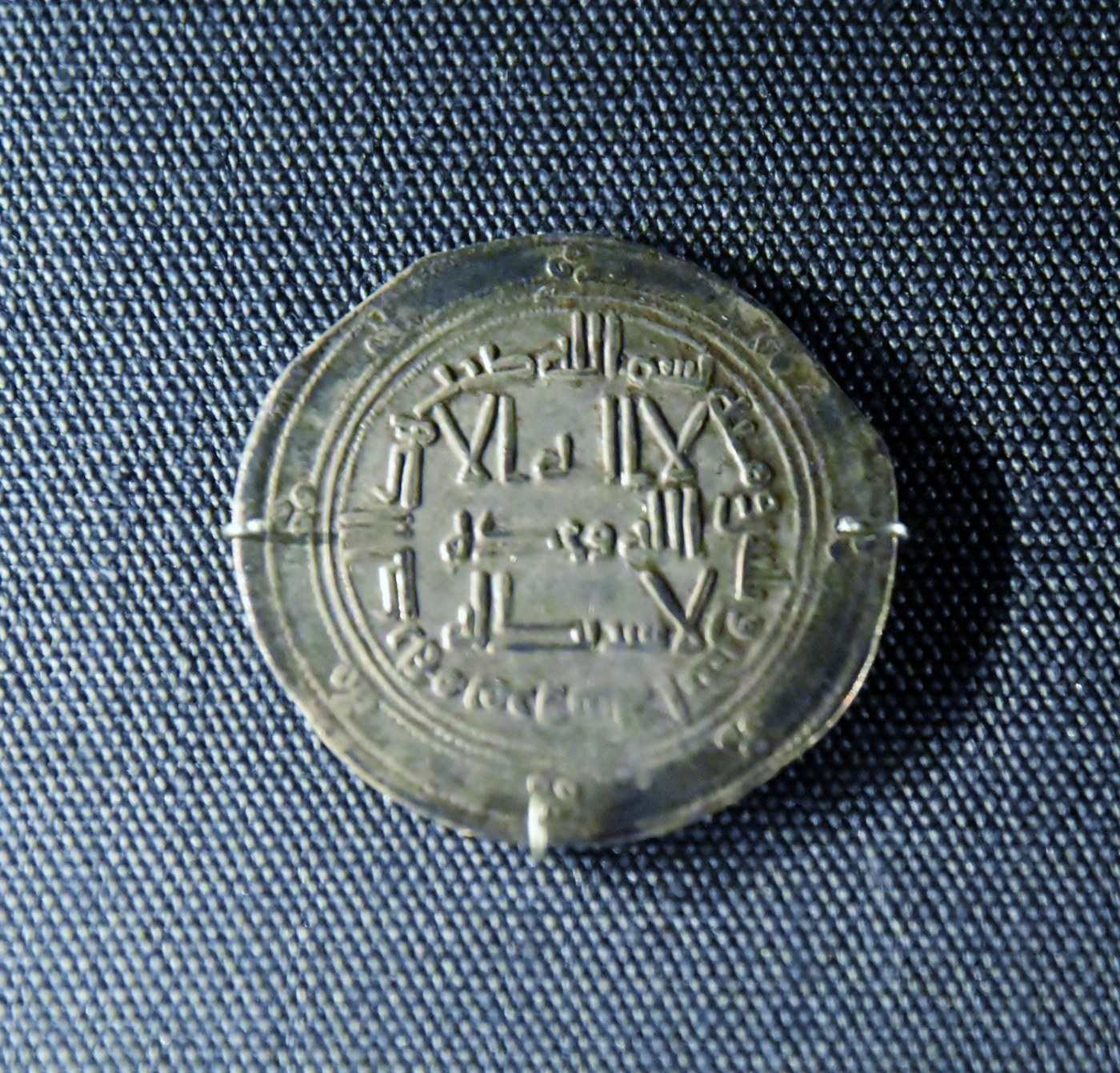
Start with the physical coin. An Abbasid dirham is silver, thin, and broad — commonly about 25–29 mm across but only roughly 2.7–3.0 grams. That combination of wide diameter and low weight is itself a strong clue: a coin of this size that feels heavy, is magnetic, or is clearly base metal is not a genuine reformed dirham. The flan is often slightly irregular and the strike a little uneven, which is normal for hand-struck early Islamic silver.
Read the layout, not just the letters. Both faces should show concentric circular bands of angular Kufic Arabic — a central legend inside one or more marginal rings — and absolutely no image of a person, animal, or object. The obverse center carries the declaration of faith; the surrounding marginal legend on the reformed dirham gives the mint-and-date formula. If you see any portrait or figure, or if the script is a cursive later style rather than angular Kufic, you are probably not looking at an early Abbasid dirham.
Use the marginal legend to attribute the coin. The outer ring beginning "In the name of God, this dirham was struck in [mint] in the year…" is where the mint city and Hijri date live, and it is what separates an Abbasid piece from the near-identical Umayyad reformed dirham that preceded it. On this coin the date is AH 132 (AD 749–750). Correctly reading the mint and year is the most important step for a serious attribution, because value and rarity depend far more on mint and date than on the general type.
Watch for look-alikes. Umayyad reformed dirhams, later Abbasid and successor-dynasty dirhams, and various regional imitations all use the same aniconic concentric-Kufic template and can look very similar at a glance. Never assume an old Arabic-script silver coin is an early Abbasid issue without reading the name and mint formula; the design changed only gradually across dynasties.
Be cautious about authenticity. Genuine dirhams are struck, not cast, so casting seams, air bubbles, a soft or grainy surface, a mold line around the edge, or an off-standard weight are warning signs. Tourist-market copies and modern fakes exist. When in doubt, weigh and measure the coin, photograph both faces clearly, and have the Kufic legend read against standard references or by someone familiar with Islamic epigraphy.
Frequently asked questions
How do I tell an Abbasid dirham from an Umayyad one?
They share the same aniconic concentric-Kufic template, so appearance alone is not enough. Read the marginal mint-and-date legend and any ruler's name; the Hijri year and mint, cross-checked against references, are what separate an Abbasid issue from the earlier Umayyad reformed dirham.
Where is the date and mint on the coin?
In the outer marginal ring, usually beginning "In the name of God, this dirham was struck in [city] in the year…". That band names both the mint and the Hijri (AH) year — AH 132 on this coin.
What should a genuine dirham weigh?
The reformed dirham standard is roughly 2.9 grams, so most genuine examples fall around 2.7–3.0 grams on a thin, broad flan. A markedly heavy, thick, or magnetic piece should be treated with suspicion.
How can I spot a cast fake?
Genuine dirhams were struck from dies, not poured into molds. Look for casting seams, surface bubbles, a mushy or grainy texture, a raised mold line at the edge, or an incorrect weight, and verify the Kufic legend against reference material when unsure.