
How to Identify the Abbasid Gold Dinar
The standard gold coin of the Abbasid Caliphate (750-1258 AD), carrying horizontal lines of Kufic script rather than images, following the Islamic aniconic coinage tradition.
Read the full Abbasid Gold Dinar encyclopedia entry →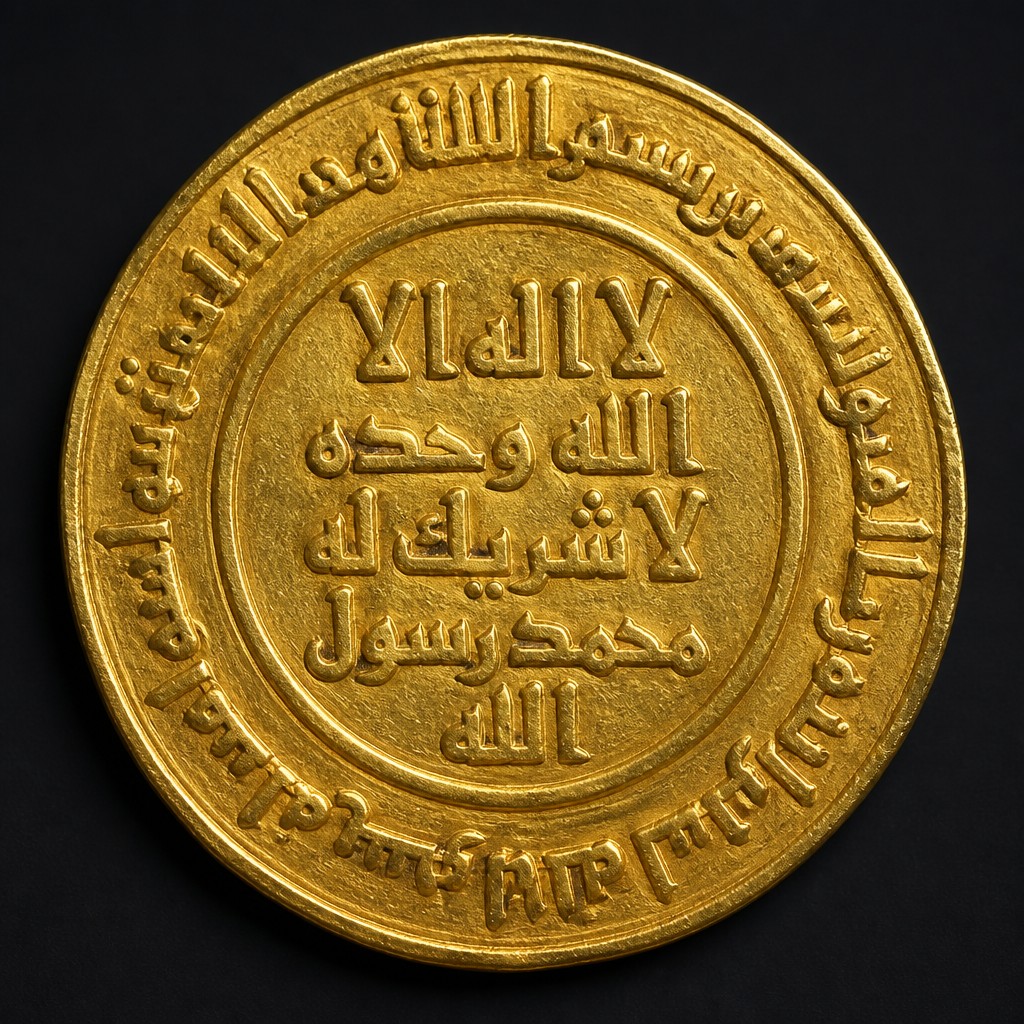
What It Is
The Abbasid Caliphate overthrew the Umayyads in 750 AD and continued the reformed, text-only gold dinar standard established decades earlier under Abd al-Malik, striking dinars from the Abbasid capital at Baghdad and numerous provincial mints across a vast empire stretching from North Africa to Central Asia.
Obverse Design
The obverse shows the shahada arranged in horizontal lines of Kufic script in the center field, surrounded by a circular marginal legend. There are no images of rulers or any other figures, consistent with Islamic aniconic practice.
Reverse Design
The reverse similarly presents horizontal lines of text, typically quoting Quran 9:33, with the mint name and date spelled out in the surrounding margin. Later Abbasid dinars sometimes add the name of the reigning caliph and, in some periods, a powerful vizier, general, or an heir apparent, reflecting shifting political realities within the caliphate.
Size, Weight, Metal, and Edge
Abbasid dinars are small, thick flans of roughly 20mm in diameter, weighing about 4.25 grams of gold, following the mithqal weight standard used broadly across early Islamic gold coinage. The gold purity is generally very high.
Mint Marks and Dates
The mint city, such as Madinat al-Salam (Baghdad), Misr, or al-Muhammadiya, is written out in full within the margin, alongside the Hijri date spelled in words rather than given as numerals.
Telling It Apart from Similar Coins
The horizontal-line text layout is the main visual cue separating Abbasid dinars from Fatimid dinars, which instead use concentric circular text bands. Earlier Umayyad dinars (before 750) share the horizontal-line format but are simpler and generally lack a named caliph, so the absence or presence of specific caliphal names and titles helps date a coin to before or after the Abbasid takeover. Various regional successor dynasties, such as the Buyids and Samanids, issued dinars that mimic the general Abbasid format while adding their own dynastic names, so careful reading of the full inscription is needed to attribute the coin correctly.
Judging Condition at a Glance
Assess how sharply the small Kufic letters have been struck and how well the coin is centered on its flan. Because gold dinars were sometimes shaved or clipped for their metal content, compare the coin's diameter and weight together; a coin that looks unusually small for its stated weight, or shows filed or irregular edges, may have been trimmed after striking.
Authenticity Red Flags
Always weigh the coin against the known gold standard for its era and check that the Arabic text is legible and grammatically sound rather than a jumble of unreadable marks. Underweight or clipped examples, unusually pale or dull gold color, and blurred lettering are all signs worth investigating further.
Frequently asked questions
How is an Abbasid dinar different from a Fatimid dinar at a glance?
Abbasid dinars arrange their inscriptions in horizontal lines of text, while Fatimid dinars use concentric circular bands of script, making the overall layout the quickest way to tell them apart.
How can I tell an Abbasid dinar from an earlier Umayyad dinar?
Both use a similar horizontal-line layout, but Abbasid dinars often name the reigning caliph or other officials, while earlier Umayyad dinars are generally simpler and typically do not name the caliph, so reading the inscribed names and comparing them with the mint and date is the reliable method.
Why might my Abbasid dinar look smaller than its stated weight would suggest?
This can indicate the coin has been clipped or filed after striking to remove some of its gold, a practice sometimes seen in circulated medieval gold coins, so it's worth comparing diameter and weight together.
What does it mean if the coin names a dynasty other than the Abbasids?
Several regional dynasties such as the Buyids and Samanids issued dinars closely following the Abbasid format while adding their own dynastic names, so a named local dynasty alongside Abbasid-style formatting points to one of these successor issues.
What's the simplest authenticity check?
Weigh the coin against the roughly 4.25 gram gold standard typical of the era and examine whether the Arabic script is crisp and legible, since underweight coins or garbled inscriptions are common warning signs.