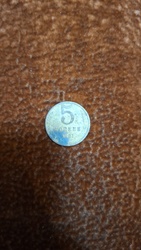
How to Identify the 5 Kopecks (Catherine II)
A collector's guide to confirming Catherine the Great's copper 5 Kopecks by its crowned monogram, 1790 ЕМ date and mint mark, and double-headed eagle.
Read the full 5 Kopecks (Catherine II) encyclopedia entry →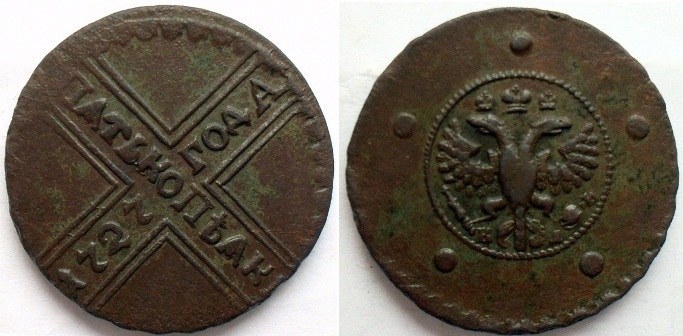
Read the Obverse Monogram, Date, and Mint Mark
Start with the side bearing the crowned monogram. On this type the center shows an ornate crowned cipher, with the value in Cyrillic and the date 1790 accompanied by the mint letters ЕМ (EM) for Ekaterinburg. The combination of crowned monogram, denomination, date, and two-letter mint mark is the core signature of Catherine II's copper 5 Kopecks. Mint letters vary by facility, so read them carefully to attribute the coin correctly.
Confirm the Double-Headed Eagle Reverse
The opposite side must show the Russian imperial double-headed eagle, crowned and holding its regalia, set within a wreath. This state emblem, paired with the crowned monogram, confirms an Imperial Russian issue. If one side shows a portrait bust or a single-headed eagle, or lacks the wreath, you are looking at a different coin or a later type.
Check Size, Weight, and Metal
The 5 Kopecks is a large, thick copper coin that feels notably heavy for its diameter, with brown to reddish-brown patina typical of old copper. It should not be bright white or ring like silver. A thin, lightweight, or silvery piece bearing this design is a warning sign, since the genuine coin is a hefty copper planchet.
Rule Out Look-Alikes and Other Dates or Mints
Catherine II's copper series also includes smaller denominations (such as the Kopeck, 2, and Denga) and the same 5 Kopecks type was struck across many years and mints, so always read the value, date, and mint letters together rather than assuming. Similar crowned-monogram-and-eagle copper was issued under other Russian rulers as well, so the specific 1790 ЕМ combination is what pins this coin to this issue.
Authentication Cautions
Big Catherine coppers are widely collected, and altered dates, tooled surfaces, corrosion, and cast fakes all appear in the market. Compare the monogram, eagle, and lettering to trusted reference images, and be wary of mushy detail, seams, wrong weight, or a date that looks re-engraved. Heavy cleaning and green corrosion reduce value, so favor coins with honest, even surfaces, and for higher-grade or scarce-variety pieces consider expert opinion.
Frequently asked questions
How do I confirm it is Catherine II's 5 Kopecks and not another ruler's copper?
Match the crowned monogram, the value, and the 1790 date with the ЕМ mint mark together. Similar eagle-and-monogram copper was struck under other Russian rulers, so the specific cipher, date, and mint letters are what identify this issue.
What should the coin weigh and look like?
Expect a large, thick copper coin that feels heavy for its size with brown or reddish-brown patina. A thin, light, or silvery piece of this design is suspect, since the genuine coin is substantial copper.
What does the mint mark tell me?
The two letters by the date name the mint. ЕМ indicates Ekaterinburg; the same 5 Kopecks type appears with other mint letters, so reading them attributes the coin and can affect scarcity.
Is it worth authenticating?
For common circulated pieces, usually not. For high-grade or scarce-variety examples, yes, because altered dates, cast fakes, and tooled surfaces exist. Check weight, detail, and surfaces against references or seek expert review.
5 Kopecks (Catherine II) identified by the community
Recent 5 Kopecks (Catherine II) coins identified with Coin Identifier.