
How to Identify the 5 Francs (First Republic)
A collector's guide to reading a French First Republic 5-franc silver crown — the L'an 9 date, Liberty head, size and silver test, and fake warnings.
Read the full 5 Francs (First Republic) encyclopedia entry →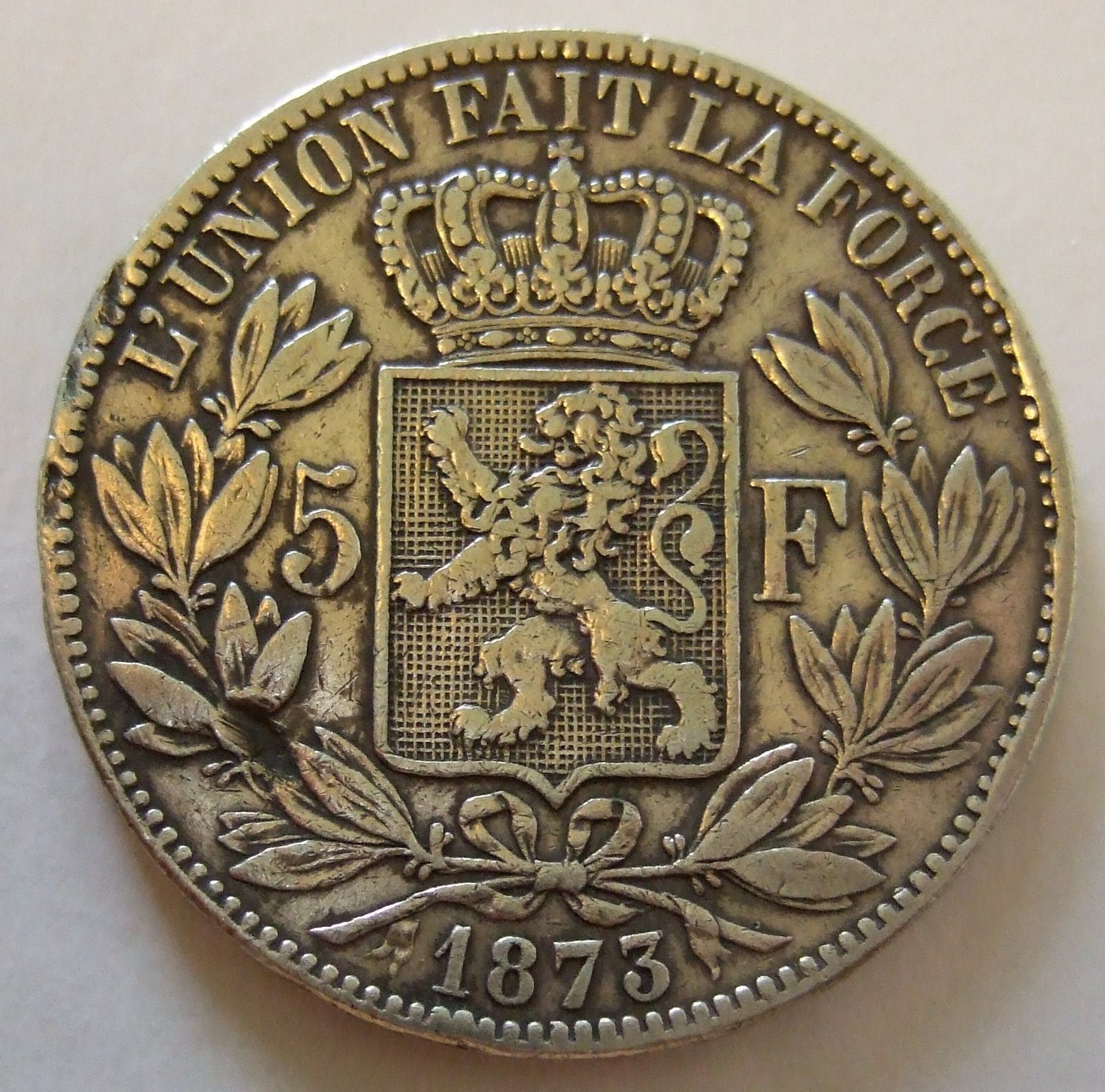
Start with the date phrase, because it is the single most telling feature. Genuine First Republic 5-franc coins are dated in the revolutionary calendar, so the reverse reads L'AN 9 DE LA REPUBLIQUE rather than a plain year. Reading "L'an 9" as 1800–1801 immediately places the coin in the First Republic and separates it from later French 5-franc pieces that use ordinary Gregorian dates.
Read both sides carefully. The obverse should show a profile head of Liberty facing right with the legend REPUBLIQUE FRANCAISE; the reverse should carry a heraldic shield, the value 5 FRANCS, and the dating phrase. Confirm that the spelling and wording are crisp and correctly formed — genuine dies are cleanly engraved, whereas casts and replicas often show mushy or slightly misshapen letters.
Measure and weigh the coin. As a silver crown of this era it should be large — roughly 37 mm across — and heavy, about 25 grams, in approximately 0.900 fine silver, with a warm grey silver tone and no response to a magnet. Check the edge: authentic pieces have a lettered or reeded edge, not a plain smooth one. A coin that is undersized, light, magnetic, or oddly coloured is inconsistent with a genuine silver 5 francs.
Locate the mint mark. French coins of the period carry a small letter identifying the striking mint, sometimes with an additional privy or engraver's symbol; its presence and placement are part of a correct issue. Finally, treat early French crowns with healthy caution — they are among the more frequently copied world coins, so compare any doubtful piece against reliable references or have it examined by a reputable dealer or grading service before assuming it is genuine.
Frequently asked questions
How do I convert the 'L'an 9' date to a normal year?
The revolutionary calendar counts from the Republic's founding in September 1792, so Year 9 runs from about September 1800 to September 1801. That is why this coin is described as dated 1800–1801.
What weight and size confirm a genuine 5-franc silver crown?
Expect a large coin around 37 mm in diameter and roughly 25 grams in about 0.900 fine silver. Measuring and weighing the piece is the quickest screen; noticeable deviation points to a replica or a different coin.
Where is the mint mark on this coin?
Look for a small letter on the coin identifying the French mint that struck it, sometimes accompanied by a tiny privy or engraver's symbol. These marks, read together with the L'an 9 date, help pin down the specific issue.
How can I avoid buying a fake First Republic 5 francs?
Check weight, diameter, silver fineness, colour, magnetism, and the lettered or reeded edge, and be wary of crisp-looking but underweight coins or prices far below silver value. Because early French crowns are widely faked, have doubtful pieces authenticated.