
How to Identify the 4 Maravedis
A collector's checklist for the copper 4 maravedis of Carlos and Joanna: legends, crowned arms, Pillars of Hercules, mint marks, and authentication cautions.
Read the full 4 Maravedis encyclopedia entry →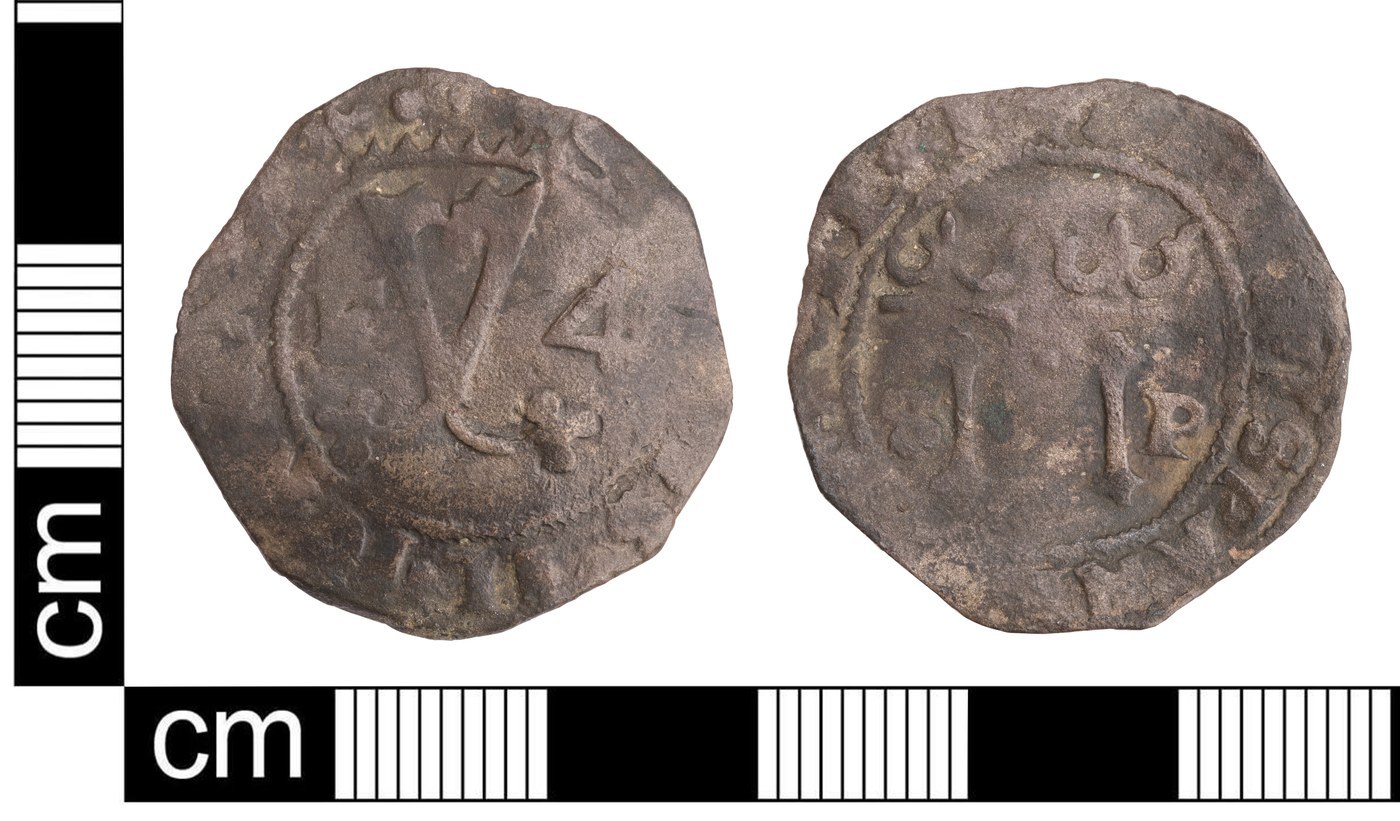
Start with the legend, because it is the single most reliable diagnostic. A genuine 4 maravedis of this type names both rulers together, in a Latin form similar to CAROLVS ET IOHANA REGES. If the coin names only one monarch, or a later king such as Felipe (Philip), it is a different issue even if it looks similar. Read the visible letters around the rim before anything else.
Next, check the two main design elements. One side carries a crowned heraldic shield with the quartered arms of the Spanish kingdoms; the other carries the crowned Pillars of Hercules, frequently paired with a Plus Ultra reference. Both devices should be present and crowned. On the copper maravedis series, the denomination is signaled by marks in the field and by module size rather than a bold numeral, so do not expect a large "4" to dominate the design.
Confirm the physical characteristics: this is a copper coin, small-change sized, with the irregular, sometimes off-center look of a hand-struck piece. Genuine surfaces are brown to reddish where original, and honest wear should soften high points evenly. Weak areas from an incomplete strike are normal and are not the same as tooling or damage. Weigh and measure the coin and compare against published figures for the specific mint and variety.
Look for mint marks and assayer letters in the fields beside the arms or pillars. These small letters attribute the coin to a particular mint of the joint reign and help distinguish varieties. Their style and placement are part of authentication, since cast or altered fakes often render these details mushy or incorrect.
Beware of look-alikes and forgeries. Later copper maravedis of subsequent reigns share the general format, so rely on the joint Carlos-and-Joanna legend to separate them. Cast reproductions may show seam lines, a granular surface, or unnaturally soft lettering. When a coin is valuable or the surfaces look suspicious, seek an opinion from a specialist in Spanish colonial and Habsburg-era coinage before buying.
Frequently asked questions
What is the fastest way to confirm this is a Carlos-and-Joanna 4 maravedis?
Read the legend. It should name both Carlos and Joanna together. Combined with the crowned Spanish arms on one side and the crowned Pillars of Hercules on the other, that identifies the type. A single-ruler legend points to a different issue.
How do I tell it apart from later Spanish copper coins?
Later maravedis of following reigns use a similar arms-and-pillars format but name a different monarch. The joint Carlos-and-Joanna legend is the key separator, so always confirm the names in the inscription rather than relying on the general look.
Do mint marks matter for identification?
Yes. Small mint letters and assayer initials in the fields attribute the coin to a specific mint and variety. Their correct style and placement also support authenticity, since fakes often reproduce these fine details poorly.
How can I spot a fake or cast copy?
Watch for seam lines around the edge, a grainy or bubbled surface, and soft, blurry lettering that lacks the crispness of struck detail. If the coin's value or surfaces raise doubts, have it examined by a specialist in Habsburg-era Spanish coinage.