
How to Identify the 1995 Doubled Die Lincoln Cent
A well-known and relatively affordable doubled die variety showing clear doubling on LIBERTY and IN GOD WE TRUST on the obverse, notable for being common enough that many examples turned up in circulation.
Read the full 1995 Doubled Die Lincoln Cent encyclopedia entry →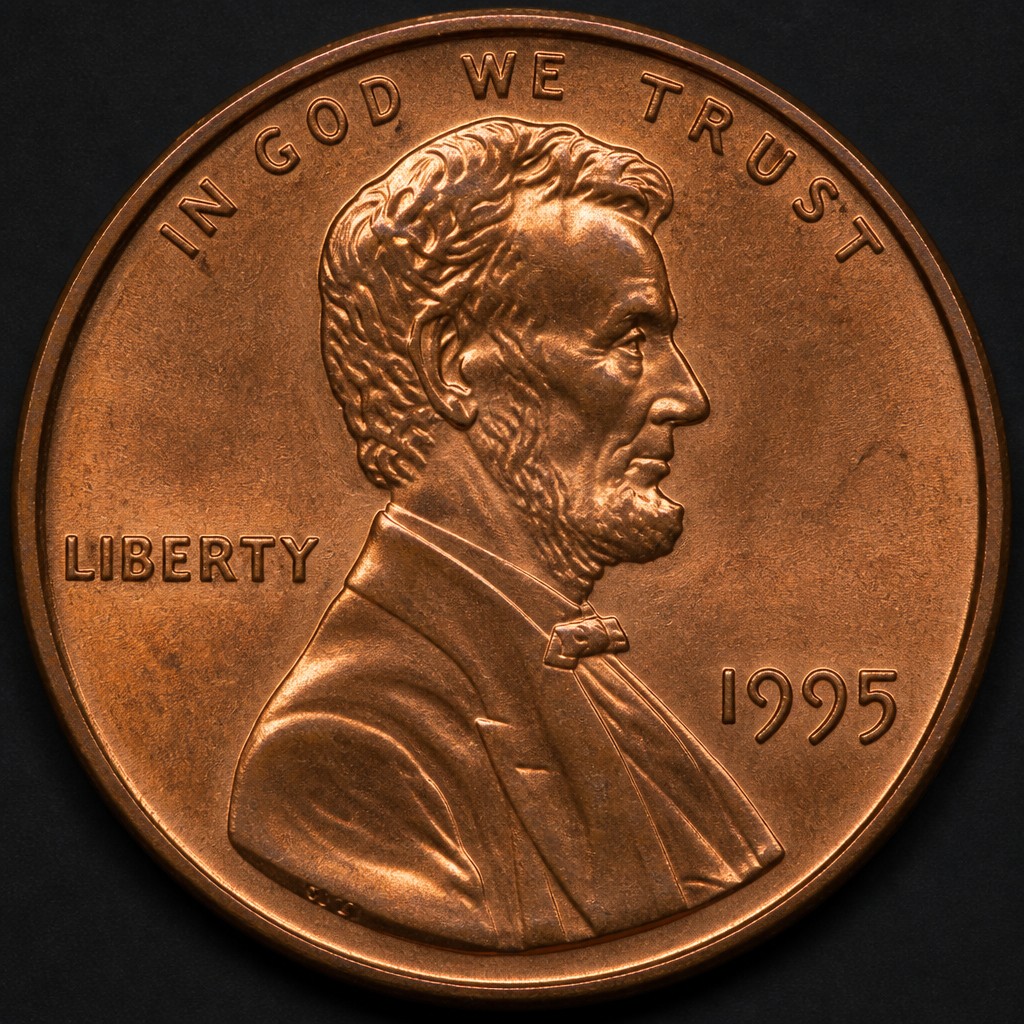
What This Coin Is
The 1995 Doubled Die is one of the more accessible doubled-die varieties in the Lincoln cent series, discovered shortly after release and popularized when examples were found in circulation and even in mint-sealed rolls. Unlike many older doubled dies that are extremely scarce, enough 1995 doubled die cents entered circulation that the variety remains attainable for most collectors.
Obverse Design & Inscriptions
The obverse carries the standard Lincoln portrait, with the doubling most visible in "LIBERTY" and "IN GOD WE TRUST." On strong examples, the doubling is bold enough to see without magnification, showing a clear secondary outline of the letters offset from the primary image.
Reverse Design & Inscriptions
The reverse is the standard Lincoln Memorial design used on cents at the time, showing the memorial building with "ONE CENT" and "UNITED STATES OF AMERICA," with no doubling associated with this particular variety.
Size, Weight, Metal & Edge
This cent uses the standard copper-plated zinc composition adopted in 1982, weighing about 2.5 grams, with the usual diameter and plain edge. There is nothing unusual about the coin's physical specifications; the variety is defined entirely by the doubling on the obverse die.
Mint Marks & Where to Find Them
Check beneath the date for a mint mark; this doubled die is associated with cents struck without a mint mark, indicating Philadelphia production. Coins from other mints in 1995 do not carry this particular doubled die.
Telling It Apart From Similar Coins
Several degrees of doubling strength exist among 1995 doubled die cents, so comparing your coin against reference photos helps confirm which class of doubling it shows. It is also useful to distinguish genuine hub doubling, which shows rounded, separated letter outlines, from ordinary strike or machine doubling, which tends to look flat, shelf-like, and less defined.
Judging Condition at a Glance
Because so many examples exist, from well-worn circulated pieces to uncirculated rolls that were set aside once the variety became known, condition significantly affects desirability within this variety. Sharp, lustrous uncirculated examples with strong, clear doubling are the most sought after, while heavily worn coins may still show the doubling but with less definition.
Authenticity Red Flags
Because this variety is common enough to be affordable, there is less incentive for elaborate counterfeiting compared to rarer doubled dies, but buyers should still watch for confusingly labeled coins showing only minor machine doubling rather than the true hub-doubled variety. Comparing the specific letters and degree of doubling against confirmed reference images is the most reliable check.
Frequently asked questions
Is the 1995 Doubled Die rare?
Not particularly — enough examples entered circulation and were saved in mint rolls that it remains one of the more affordable doubled die varieties.
Where is the doubling located?
Primarily in the obverse lettering, especially LIBERTY and IN GOD WE TRUST, sometimes visible without magnification on strong examples.
What mint produced this variety?
Philadelphia; coins show no mint mark beneath the date.
How do I avoid confusing it with ordinary doubling?
Compare the letter shapes to reference photos — true doubled dies show rounded, separated outlines, while machine doubling looks flat and shelf-like.