
How to Identify the 1983 Doubled Die Reverse Lincoln Cent
A notable doubled die variety showing clear doubling on the reverse lettering, particularly ONE CENT, making it one of the more recognized reverse doubled dies in the Lincoln Memorial cent series.
Read the full 1983 Doubled Die Reverse Lincoln Cent encyclopedia entry →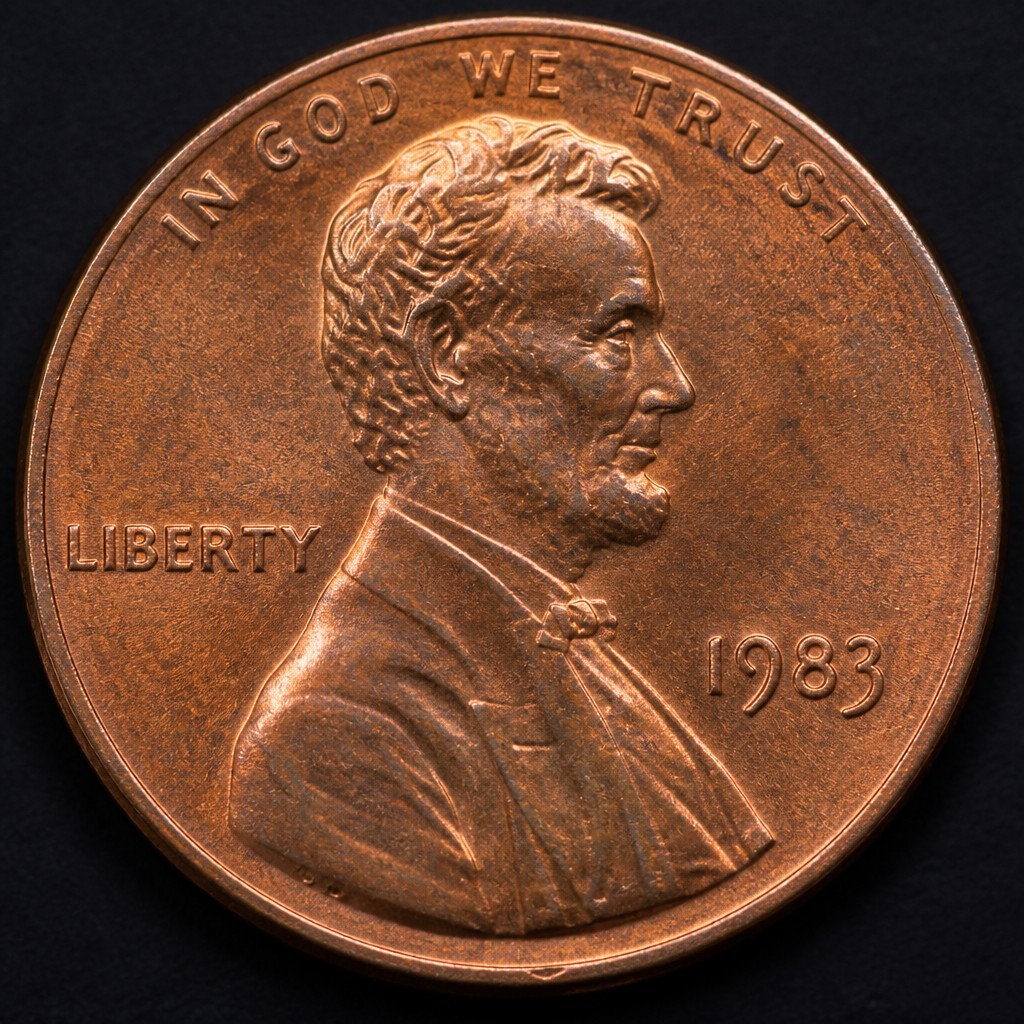
What This Coin Is
The 1983 Doubled Die Reverse stands out because doubling appears on the reverse rather than the obverse, which is less common among well-known Lincoln cent doubled die varieties. It resulted from a hub doubling error affecting the reverse die used that year, and it has become one of the more studied reverse doubled dies from the Lincoln Memorial era.
Obverse Design & Inscriptions
The obverse is the standard Lincoln Memorial-era design with the right-facing Lincoln portrait, "IN GOD WE TRUST" above, "LIBERTY" to the left, and the "1983" date to the right, with no doubling attributed to the obverse on this particular variety.
Reverse Design & Inscriptions
The reverse shows the Lincoln Memorial building with "UNITED STATES OF AMERICA" above and "ONE CENT" below. The doubling on this variety is most visible in "ONE CENT," where a secondary, separated outline of the lettering can be seen, and in some cases within the memorial's architectural details as well.
Size, Weight, Metal & Edge
By 1983, the Mint had transitioned to copper-plated zinc cents, so this coin weighs about 2.5 grams rather than the older bronze weight of about 3.11 grams. Both compositions exist for 1982-dated cents due to the mid-year changeover, but 1983 cents are consistently copper-plated zinc.
Mint Marks & Where to Find Them
Check beneath the date for a mint mark; this doubled die variety is documented on cents struck without a mint mark, indicating Philadelphia production, distinguishing it from ordinary 1983 cents produced at other facilities.
Telling It Apart From Similar Coins
Because the doubling is on the reverse rather than the obverse, comparing "ONE CENT" carefully under magnification is the key step, looking for a rounded, separated secondary image rather than the flat, shelf-like look of machine or strike doubling. Comparing against confirmed reference photographs helps rule out ordinary die deterioration doubling, which is common on well-worn dies from high-mintage years.
Judging Condition at a Glance
Because copper-plated zinc cents are prone to surface issues like spotting or plating blisters over time, look for clean, well-preserved surfaces that clearly show the reverse doubling. Coins with heavy wear or corrosion can make the doubling harder to confirm even if it is technically present.
Authenticity Red Flags
Given the coin's relatively recent date and zinc core, be alert to environmental damage that can look like doubling or die deterioration, plating blisters that can be mistaken for design anomalies, and confusingly described listings that apply the doubled die name to coins showing only ordinary machine doubling rather than the specific reverse hub doubling of this variety.
Frequently asked questions
Why is this variety notable?
It shows doubling on the reverse rather than the obverse, which is less common among well-known Lincoln cent doubled dies.
Where should I look for the doubling?
Primarily in the reverse lettering, especially ONE CENT, and sometimes in fine details of the Memorial building.
What is the coin's metal composition?
Copper-plated zinc, consistent with cents struck from mid-1982 onward, weighing about 2.5 grams.
Which mint produced this variety?
Philadelphia, identifiable by the absence of a mint mark beneath the date.