
How to Identify the 1943 Bronze Lincoln Cent
How to distinguish a genuine 1943 bronze 'copper' cent error from the common steel cents and altered-date fakes, using weight, magnet tests, and design details.
Read the full 1943 Bronze Lincoln Cent encyclopedia entry →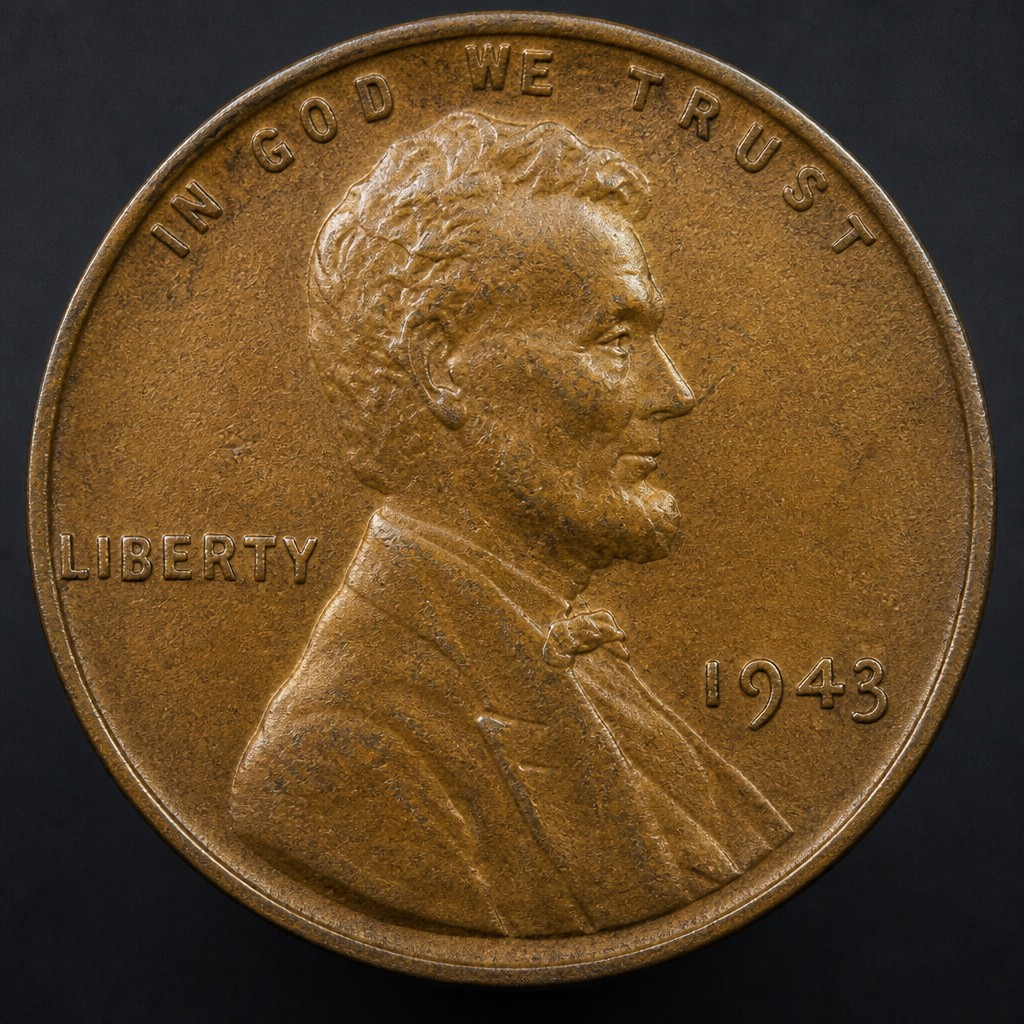
What It Is
In 1943, the U.S. Mint struck Lincoln cents from zinc-coated steel to conserve copper for the war effort. A small number of bronze planchets left over from 1942 were accidentally fed into the presses, producing a handful of genuine bronze 1943 cents — one of the most famous error coins in American numismatics.
Obverse (Front)
The design matches the standard wartime Lincoln cent: Lincoln's portrait facing right, "IN GOD WE TRUST" above, "LIBERTY" to the left, and the date "1943" to the right, with a mint mark (if any) below the date.
Reverse (Back)
The reverse shows the wheat-ears design with "ONE CENT" and "UNITED STATES OF AMERICA," identical to other Wheat cents of the era.
Size, Weight, Metal, and Edge
This is the key identifying feature. Standard 1943 steel cents weigh about 2.7 grams and are magnetic. Genuine bronze 1943 cents weigh close to 3.11 grams, matching normal bronze cents, and are not attracted to a magnet. Diameter is 19 mm with a plain edge in both cases.
Mint Marks
Genuine bronze 1943 cents are known from all three mints: Philadelphia (no mint mark), Denver ("D"), and San Francisco ("S"), with the mint mark located below the date, same as other cents of the era. Examples are extremely rare from every mint.
Telling It Apart from Similar Coins
The overwhelming majority of "1943 copper pennies" offered for sale are altered coins: either a genuine 1948 cent with the last digit of the date reshaped to look like a "3," or a steel 1943 cent that has been copper-plated to imitate bronze. A magnet test and an accurate scale resolve almost every case — a coin that sticks to a magnet is steel, and one that weighs noticeably less or more than about 3.11 grams is not a genuine bronze cent.
Judging Condition at a Glance
Because so few genuine examples exist, most known specimens have been examined and graded by professional services. Wear appears in the same places as any Lincoln cent: Lincoln's cheekbone and the wheat stalks. A coin's condition matters far less to identification than confirming it is genuinely bronze in the first place.
Authenticity Red Flags
Plated steel cents often show a faint magnetic pull, a slightly different color or sheen than natural bronze, and copper plating that has worn through at high points to reveal gray steel underneath. Altered-date coins (from 1948) show a "3" with an unusual shape, tool marks around the last digit, or a date that looks slightly different in size or spacing from genuine 1943 examples. Any suspected genuine example should be weighed, tested with a magnet, and its date and mint mark compared carefully to known genuine photographs before drawing conclusions.
Frequently asked questions
How can I quickly check if my 1943 cent is bronze or steel?
Use a magnet: steel cents (the normal 1943 issue) stick to a magnet, while genuine bronze cents do not. Also weigh it — steel cents weigh about 2.7 grams and bronze cents about 3.11 grams.
Why do so many 'copper' 1943 cents turn out to be fake?
Most are either copper-plated steel cents or 1948 cents with the last digit altered to resemble a '3,' both of which are far more common than genuine bronze planchet errors.
Are genuine 1943 bronze cents known from every mint?
Yes, extremely rare examples are documented from Philadelphia, Denver, and San Francisco, identified by the mint mark below the date.
Does a coin sticking to a magnet always mean it's fake?
For a 1943 cent, yes for the 'bronze error' claim — a magnetic 1943 cent is a normal steel cent, not the rare bronze variety.