
How to Identify the 1936 Doubled Die Obverse Lincoln Cent
A recognized doubled die variety from the Depression-era wheat cent series, showing doubling in the obverse lettering and date that collectors identify by close comparison with known reference examples.
Read the full 1936 Doubled Die Obverse Lincoln Cent encyclopedia entry →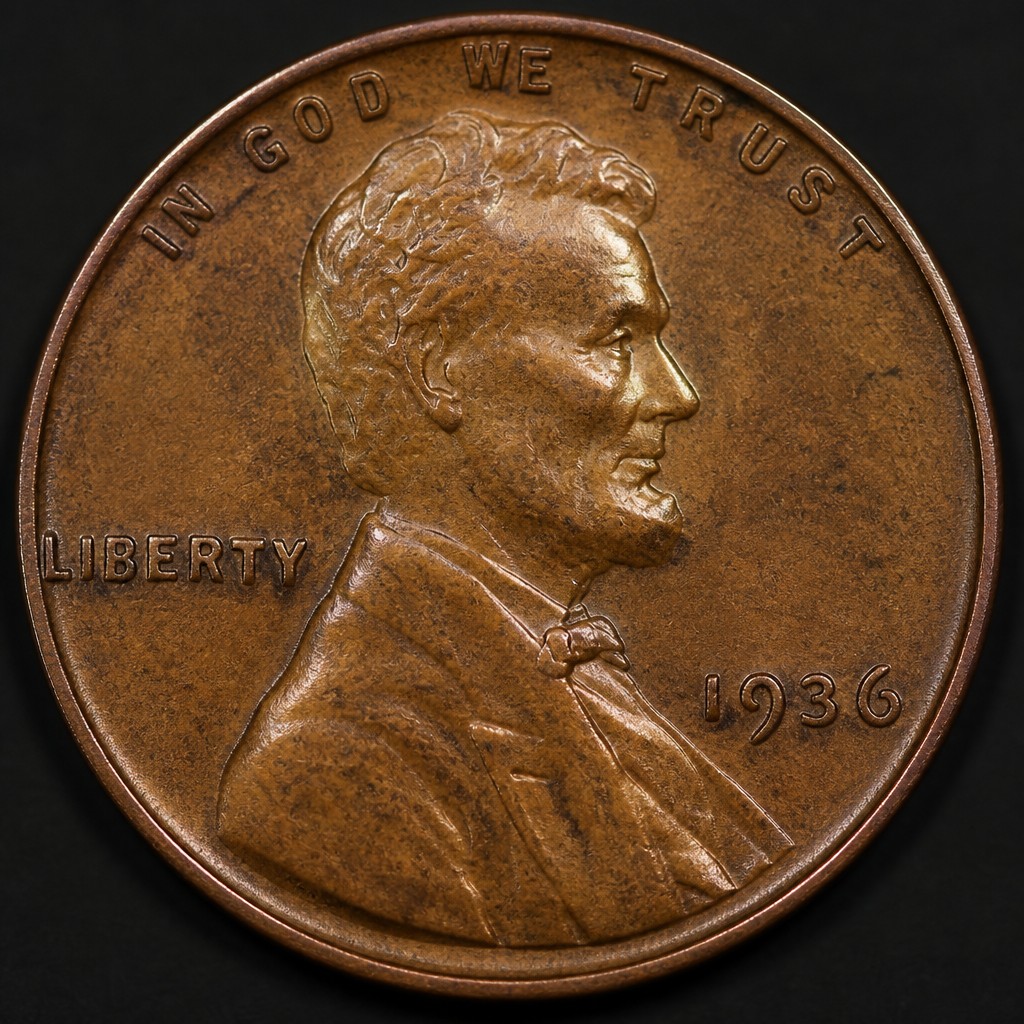
What This Coin Is
The 1936 Doubled Die Obverse is one of several doubled die varieties documented among Lincoln wheat cents from the 1930s, arising from a hub doubling error during die manufacture. It is collected by variety specialists who focus on early Lincoln cent doubled dies as a distinct area separate from the more famous 1955 and 1995 examples.
Obverse Design & Inscriptions
The obverse shows the standard Lincoln wheat cent design with "IN GOD WE TRUST" above, "LIBERTY" to the left of the portrait, and "1936" to the right. The doubling on this variety typically appears in portions of the date and lettering, ranging in strength depending on the specific die stage.
Reverse Design & Inscriptions
The reverse carries the wheat ears design with "ONE CENT" and "UNITED STATES OF AMERICA," unaffected by the obverse doubling and identical to standard 1936 cents.
Size, Weight, Metal & Edge
This cent uses the standard bronze-alloy composition of the pre-World War II era, weighing about 3.11 grams with the usual diameter and plain edge shared across wheat cents of this period.
Mint Marks & Where to Find Them
Check beneath the date for a mint mark; specific doubled die varieties from 1936 are generally tied to a particular mint's production, so confirming the mint mark against reference information for the variety is an important identification step.
Telling It Apart From Similar Coins
Multiple minor die varieties exist among 1936 cents, so careful side-by-side comparison against confirmed reference images is necessary to distinguish a true doubled die from ordinary die deterioration or the general softness sometimes seen on worn coins of this age. Strike doubling, which creates a flat, shelf-like shadow rather than a rounded, separated image, is a common source of misidentification.
Judging Condition at a Glance
As with any coin now around ninety years old, most surviving examples show measurable circulation wear. Coins with sharper detail retain clearer evidence of the doubling, making them easier to attribute confidently, while heavily worn pieces may only hint at the effect.
Authenticity Red Flags
Because this variety is less widely publicized than the more famous doubled dies, buyers should be especially careful to compare a suspected coin against verified reference photographs rather than relying on a seller's description alone. General wheat cent authentication steps, including checking weight, diameter, and overall surface consistency with the era, remain important safeguards.
Frequently asked questions
How rare is the 1936 Doubled Die Obverse?
It is a recognized but lesser-known variety compared to famous later doubled dies, appealing mainly to specialists in early Lincoln cent varieties.
Where does the doubling appear?
Primarily in portions of the date and obverse lettering, with strength varying by die stage.
What should I compare my coin against to confirm this variety?
Verified reference photographs of the specific doubled die, since minor die wear or strike doubling can be mistaken for it.
What is the coin's basic composition?
Standard pre-war bronze alloy, weighing about 3.11 grams, the same as other wheat cents of the 1930s.