
How to Identify the 1917 Doubled Die Obverse Lincoln Cent
An early and scarce doubled die variety from the wheat cent series, showing doubling in the date and lettering on the obverse of this World War I-era Lincoln cent.
Read the full 1917 Doubled Die Obverse Lincoln Cent encyclopedia entry →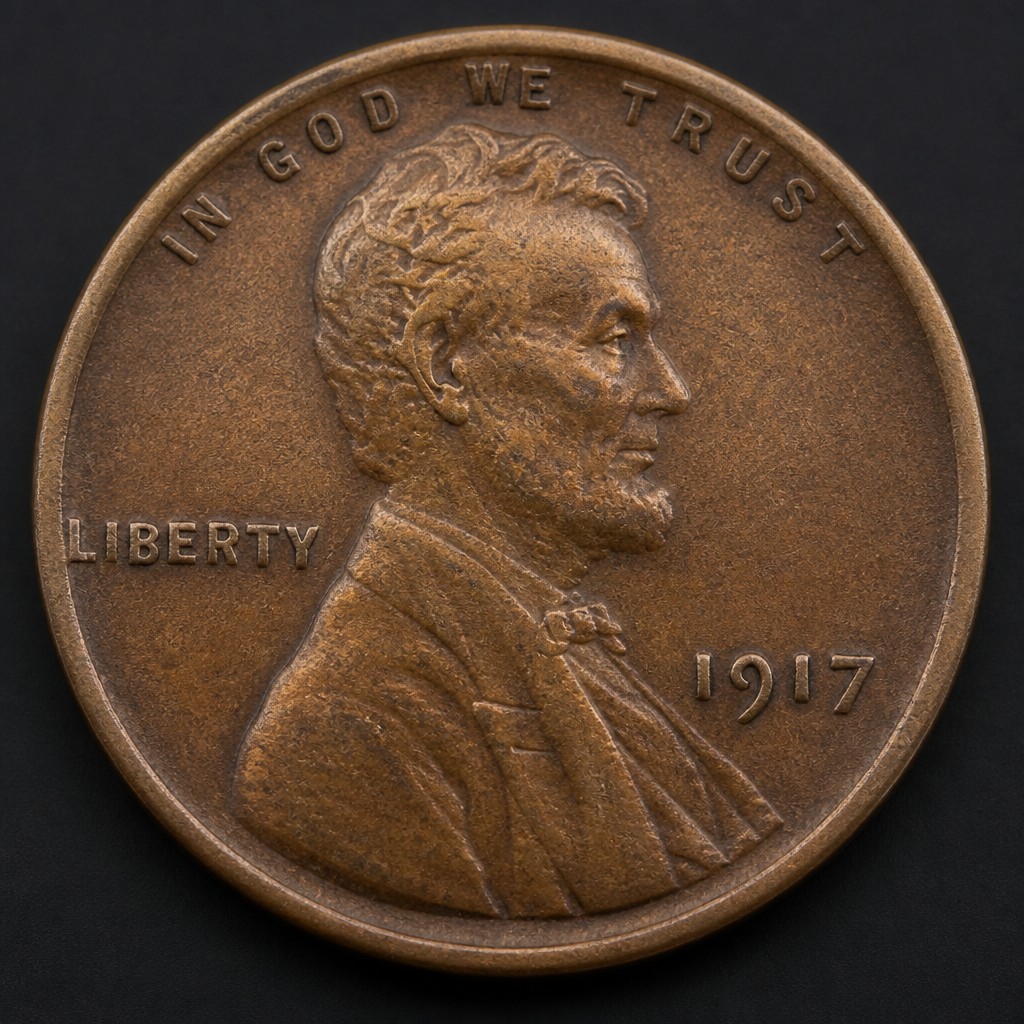
What This Coin Is
The 1917 Doubled Die Obverse is one of the earliest known doubled die varieties in the Lincoln cent series, predating the more famous mid-century doubled dies by decades. It resulted from a hubbing error during die production, producing subtle to moderate doubling visible on genuine, correctly identified examples.
Obverse Design & Inscriptions
The obverse shows the classic Lincoln wheat cent portrait, facing right, with "IN GOD WE TRUST" above, "LIBERTY" to the left, and the "1917" date to the right. The doubling associated with this variety appears in the date numerals and portions of the lettering, generally requiring magnification to confirm.
Reverse Design & Inscriptions
The reverse features the wheat ears design flanking "ONE CENT" and "UNITED STATES OF AMERICA," standard for the era, with no doubling attributed to this obverse-only variety.
Size, Weight, Metal & Edge
As an early bronze-alloy Lincoln cent, this coin weighs about 3.11 grams with the standard diameter and plain edge used throughout the wheat cent series until the metal changes of the 1940s and beyond.
Mint Marks & Where to Find Them
Look beneath the date for a mint mark; this doubled die variety is associated with a specific mint's 1917 production, so a coin lacking the correct mark, or bearing one inconsistent with references for this variety, should be checked carefully against known examples.
Telling It Apart From Similar Coins
Because the doubling on this early variety is often subtle, magnification and comparison against reference photographs are essential to distinguish it from ordinary die wear, strike doubling, or later circulation damage that can mimic doubling to the untrained eye. Given the coin's age, general wear patterns typical of a century-old cent should also be taken into account when assessing whether faint doubling is genuine or simply wear-related distortion.
Judging Condition at a Glance
Given the coin's age, most surviving examples show some circulation wear, and the visibility of the doubling can be affected by how worn the coin is. Well-preserved examples with clear, sharp lettering make the doubling easier to confirm, while heavily worn coins may only show traces of the effect.
Authenticity Red Flags
Because this is an older and less commonly discussed variety compared to famous 20th-century doubled dies, misattribution is a real risk; a coin claimed to show this doubling should be compared carefully against verified reference images before assuming authenticity. General wheat cent authenticity checks also apply, including verifying the coin's weight, diameter, and overall design consistency with genuine cents of the period.
Frequently asked questions
How strong is the doubling on this variety?
It is generally subtle, often requiring magnification to see clearly in the date and lettering, unlike some later, more dramatic doubled dies.
What is the base coin's composition?
Standard bronze-alloy cent composition used throughout the wheat cent era, weighing about 3.11 grams.
Why is this variety less well known than others?
Its subtlety and age mean it receives less attention than the more dramatic mid-century doubled dies, though it remains a recognized variety among specialists.
How do I confirm doubling versus simple wear?
Compare the suspected doubling under magnification against verified reference photos, since a century of circulation wear can create misleading distortions.