
How to Identify the 1 Pengő
A collector's guide to confirming the 1944 Hungarian aluminum pengő by its light weight, laurel-wreath design, value-and-date side, and metal color.
Read the full 1 Pengő encyclopedia entry →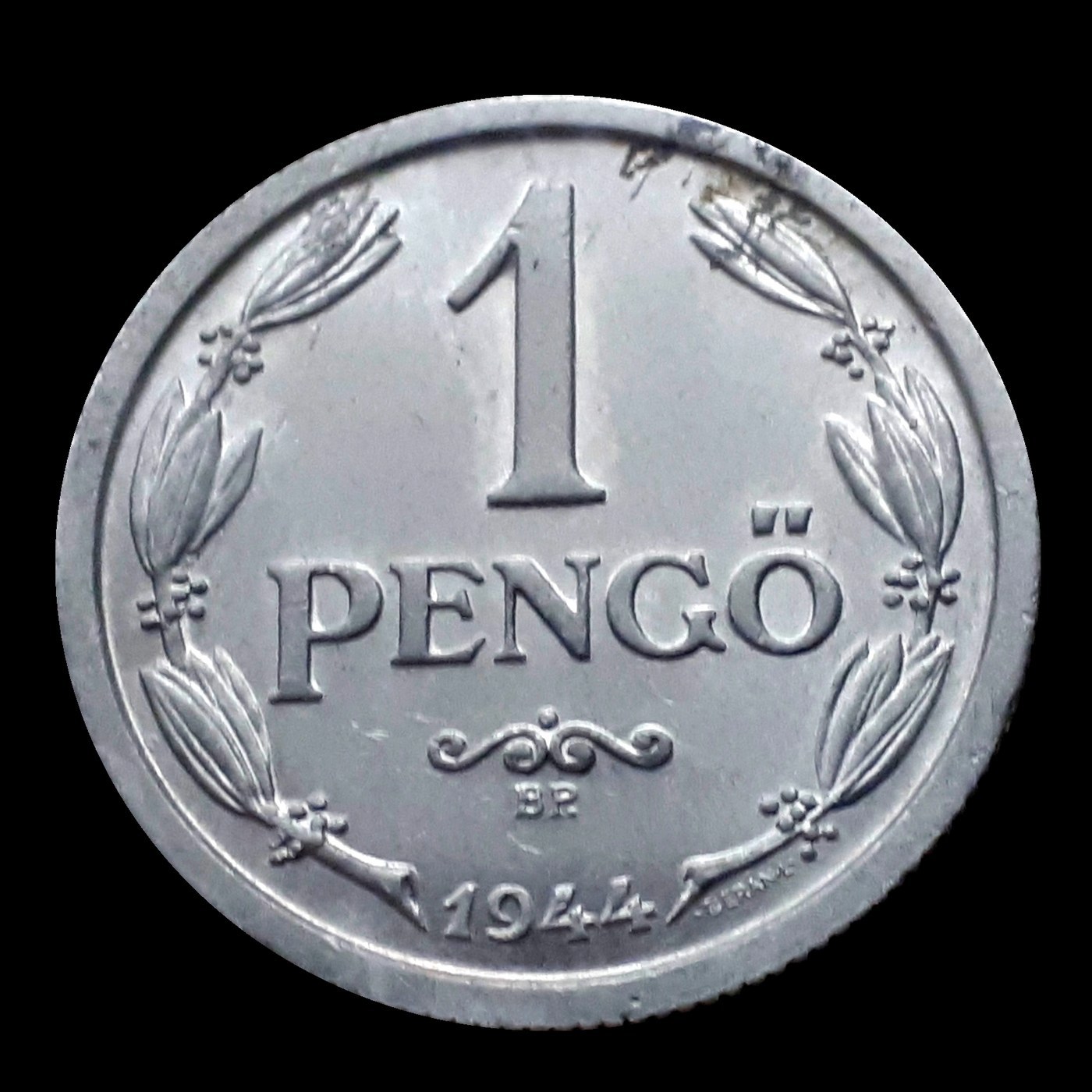
Weigh It in Your Hand
Start with the metal. A genuine wartime 1 Pengő of this type is struck in aluminum, so it is remarkably light for its diameter and shows a dull, whitish-grey tone rather than the warm yellow of bronze or brass. That lightness is the single most telling clue and immediately separates the coin from heavier silver, nickel, or bronze pieces of similar size.
Read the Two Faces
One side carries an ornamental design bordered by laurel wreaths, a decorative framing characteristic of the type. The other side shows the denomination together with the date. Confirm that the value reads one pengő and that the year is 1944. Reading the value and date together is what pins down this exact issue rather than a related denomination or year.
Check Color and Surfaces
Aluminum has a distinctive flat, matte silvery-grey look, quite different from the bright luster of silver or the golden cast of brass. Because the metal is soft, expect to see fine scratches and handling marks; many surviving coins also show grey or white powdery corrosion. Color and surface texture, read alongside the light weight, reinforce the aluminum identification.
Rule Out Look-Alikes
Hungary issued several pengő denominations, and some designs and dates are easily confused, so always read both the value and the year. Do not mistake the light aluminum pengő for heavier silver pengő coins of earlier years or for the later forint coinage that replaced the pengő after 1946. A warm-toned or noticeably heavy piece of similar design is a different metal or denomination.
Authentication and Condition Notes
This is a common, inexpensive coin, so deliberate counterfeiting is unlikely and the real task is judging condition. Verify that the date and inscriptions are crisp and match reference images, and inspect for corrosion, bends, or harsh cleaning, all of which are common on soft aluminum and reduce value. Favor coins with smooth, original surfaces and even color over cleaned, corroded, or bent examples.
Frequently asked questions
How do I tell this from other Hungarian pengő coins?
Confirm the aluminum metal and light weight, then read the value as one pengő and the date as 1944. Other pengő denominations and dates use different metals, values, or years, and the later forint coinage is a separate currency.
What color and weight should it be?
Expect a dull silvery-grey aluminum tone and a coin that feels very light for its size. A warm golden color, bright silver luster, or noticeable heft points to a different metal, denomination, or issue.
Is the grey or powdery film on my coin a problem?
Aluminum coins often develop grey or white powdery corrosion and fine scratches with age. Light, stable surfaces are normal, but active or heavy corrosion is damage. Avoid harsh cleaning, which usually lowers value more than honest wear does.
Do I need to worry about fakes?
Not really. This is a common, low-value wartime coin with little incentive to counterfeit, so focus on correctly reading the value and date and on judging condition rather than on authentication.