
No face value (Advertising Token / Pocket Piece)
Green River Whiskey 'Lucky Drink' Advertising Token
United States, J.W. McCulloch Distillery · circa 1899-1920
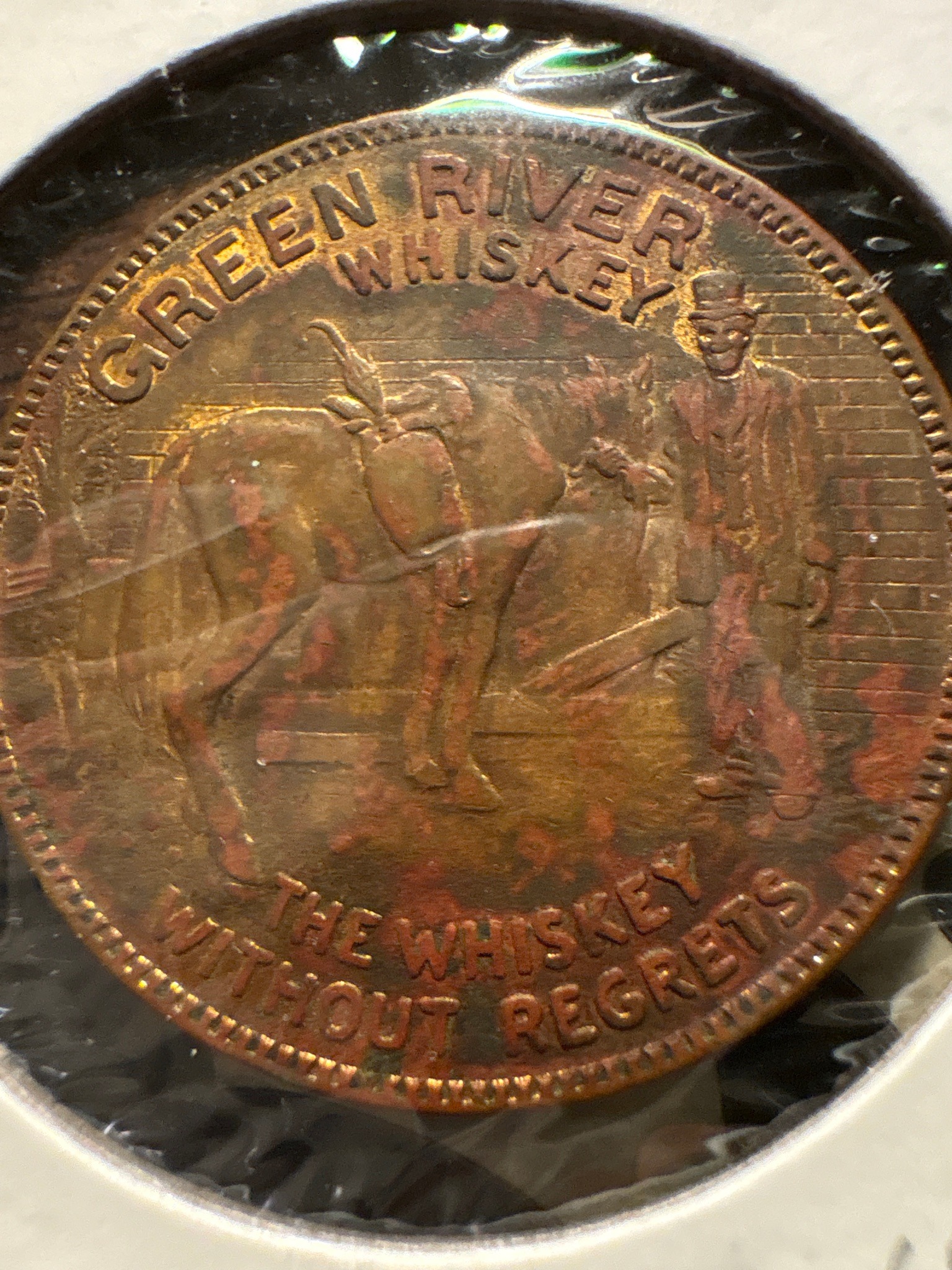
A promotional pocket piece for Green River Whiskey featuring an African American man leading a pack horse.
- Country
- United States, J.W. McCulloch Distillery
- Year
- circa 1899-1920
- Denomination
- No face value (Advertising Token / Pocket Piece)
- Metal
- Copper or Bronze (often found in brass or aluminum variants)
This report is AI-generated and can be wrong. Always verify grade, authenticity, and value with a qualified dealer or certified grading service before buying, selling, or insuring.
Identify your own coins.
Get a report just like this from any photo, free.
Overview
A promotional pocket piece for Green River Whiskey featuring an African American man leading a pack horse.
Historical significance
Green River Whiskey was a major brand pre-Prohibition, founded by J.W. McCulloch in Owensboro, KY. The 'Whiskey Without Regrets' and 'It's Lucky to Drink Green River' slogans were world-famous marketing campaigns. This specific imagery of the man and the horse became an iconic American advertising symbol of the era.
Obverse (front)
Features the famous 'Green River' man in a top hat leading a horse laden with jugs of whiskey. Inscription: 'GREEN RIVER WHISKEY' above and 'THE WHISKEY WITHOUT REGRETS' below.
Reverse (back)
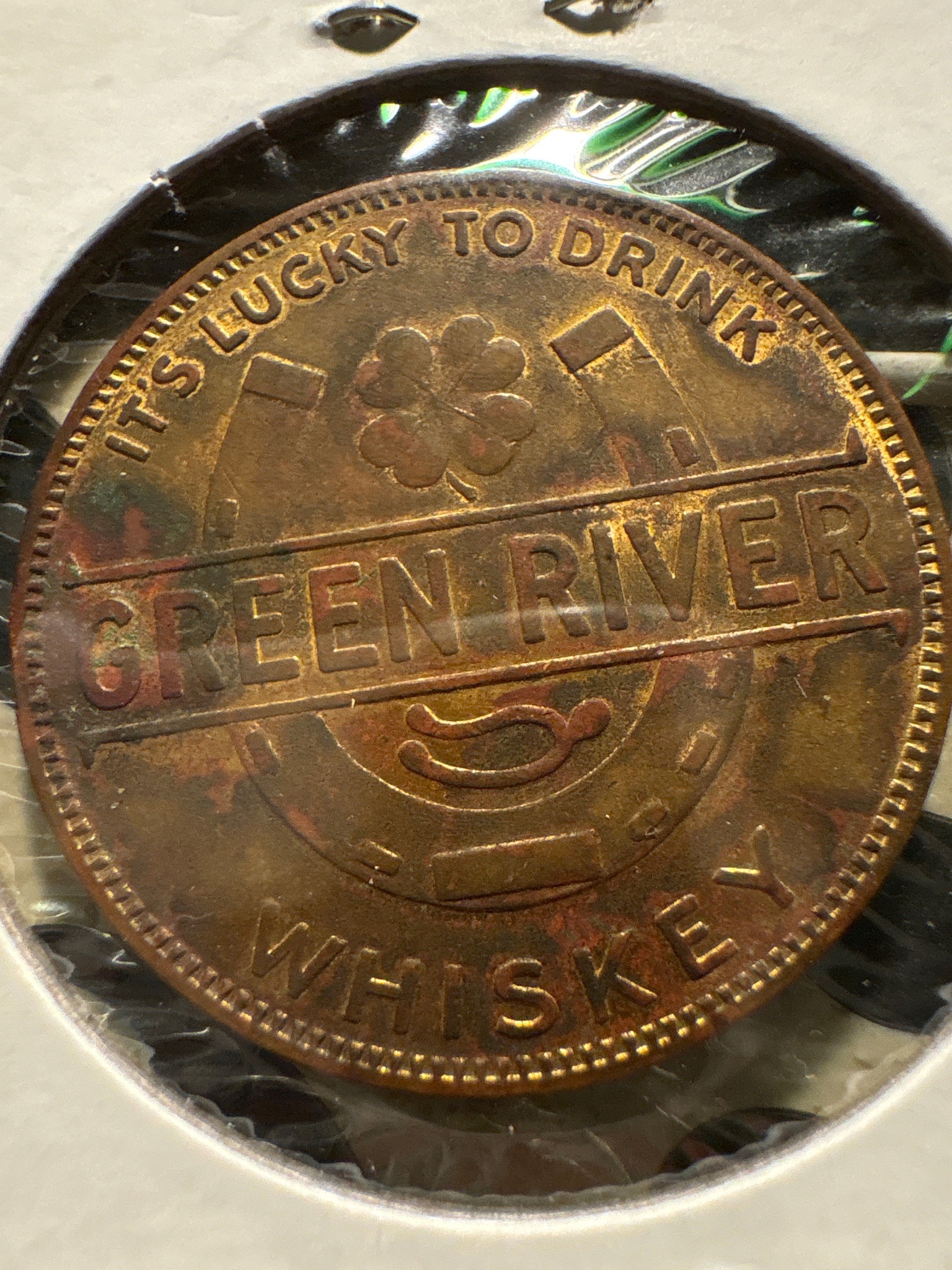
Features symbols of good luck including a horseshoe and a four-leaf clover. Inscription: 'IT'S LUCKY TO DRINK GREEN RIVER WHISKEY' across the center and perimeter.
Estimated value
$15-$40 in typical circulated condition; $75+ if in high grade with original luster.
What drives this coin's value
Condition (corrosion decreases value), metal type (aluminum vs. brass/copper), and clarity of the central design elements.
Grade assessment
Fine to Very Fine with significant environmental toning/oxidation and surface spotting.
Mintage & rarity
Common during its era, but surviving antique examples in good condition are collectible and moderately scarce.
Authenticity & counterfeit red flags
Original tokens from the 1900s have a specific weight and feel; look for natural age-appropriate wear and patina. Modern fakes often have 'mushy' details or artificial aging.
Notable varieties & errors
Variations exist in metal (aluminum, brass, copper) and minor text placements on the reverse horseshoe design.
Similar coins
Modern reproductions (souvenir shop tokens) often look cleaner and lack the crisp die-striking detail of the original turn-of-the-century pieces.
Care & preservation
Do not clean or polish, as this removes the historical patina. Store in a PVC-free flip or archival-safe container to prevent corrosion (verdigris).
More like this
Other united states, j.w. mcculloch distillery coins
Morgan Dollar
United States · 1878-1904, 1921
1 Dollar
Eisenhower Bicentennial Dollar
United States · 1776-1976
One Dollar
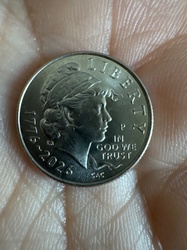
United States Semiquincentennial Fantasy/Mule Concept Dime
United States · 2026
One Dime ($0.10)
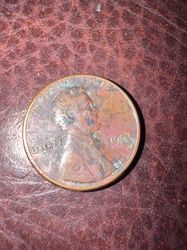
Lincoln Memorial Cent
United States · 1983
One Cent ($0.01)
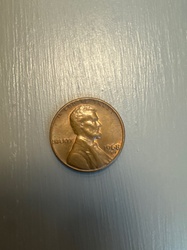
Lincoln Memorial Cent
United States · 1968
1 Cent
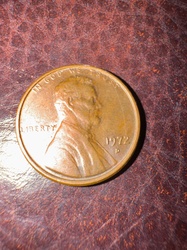
Lincoln Memorial Cent
United States · 1972
1 Cent