Mercury Dime (Winged Liberty Head Dime)
Country of Origin: United States of America
Year of Issue: 1920
Denomination: One Dime (10 Cents)
Composition: 90% Silver, 10% Copper
Brief Description
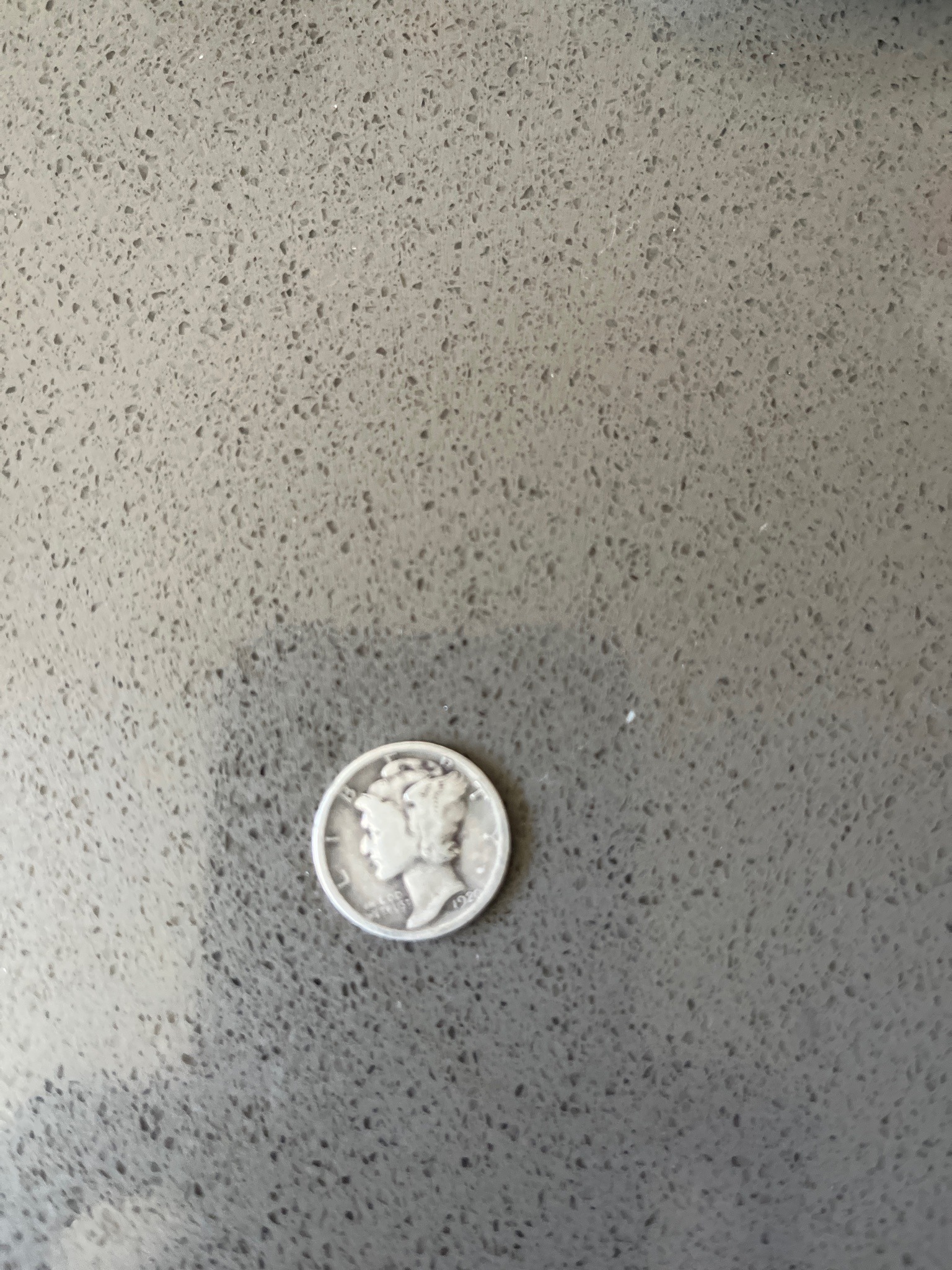
A small silver US coin featuring a profile of Liberty with a winged cap and a fasces on the reverse.
Historical Significance
Designed by Adolph A. Weinman, the 'Mercury' dime was intended to represent 'freedom of thought'. It was minted during a period encompassing both World Wars and the Great Depression.
Estimated Value
$2.50-$5.00 in average circulated condition, $35-$100+ in high uncirculated Mint State (MS-65) or better.
Care Instructions
Do not clean or polish, as this destroys numismatic value. Handle only by the edges and store in an acid-free holder (2x2 flip or capsule).
Mint Mark
None (Philadelphia Mint)
Mintage & Rarity
Common; total mintage of 59,030,000 for the 1920 Philadelphia issue.
Weight & Diameter
2.50 grams / 17.91 mm
Edge
Reeded
Apparent Grade
Fine to Very Fine; the wings on the head and the lines on the fasces show moderate wear but remain distinct.
Obverse (Front)
Profile of Liberty wearing a Phrygian cap with wings (symbolizing freedom of thought), surrounded by the word 'LIBERTY', the date '1920', and the motto 'IN GOD WE TRUST'.
Reverse (Back)
A fasces (a bundle of rods with an ax) representing unity and strength, with an olive branch symbolizing peace. Legend 'UNITED STATES OF AMERICA' and 'ONE DIME'.
What Drives This Coin's Value
Condition (grade), presence of 'Full Bands' on the reverse fasces for uncirculated coins, and the current market price of silver.
Similar Coins
Barber Dimes (pre-1916) and Roosevelt Dimes (post-1945). Sometimes confused with Roman coins due to the fasces and winged head.
Authenticity & Counterfeit Red Flags
Counterfeits of the 1916-D exist, but 1920 is a common date; verify weight (2.5g) and sharp reeding on the edge.
Notable Varieties & Errors
Major varieties include the 1942/1 overdate; for 1920, collectors mainly look for 'Full Split Bands' (FSB) on the reverse.
Created At: 2026-05-31T18:30:20.810953