Ottoman Empire 1 Para - Mahmud II
Country of Origin: Ottoman Empire (Turkey)
Year of Issue: AH 1223 // Year 26 (approx. 1833 AD)
Denomination: 1 Para
Composition: Billon (low-grade silver alloy)
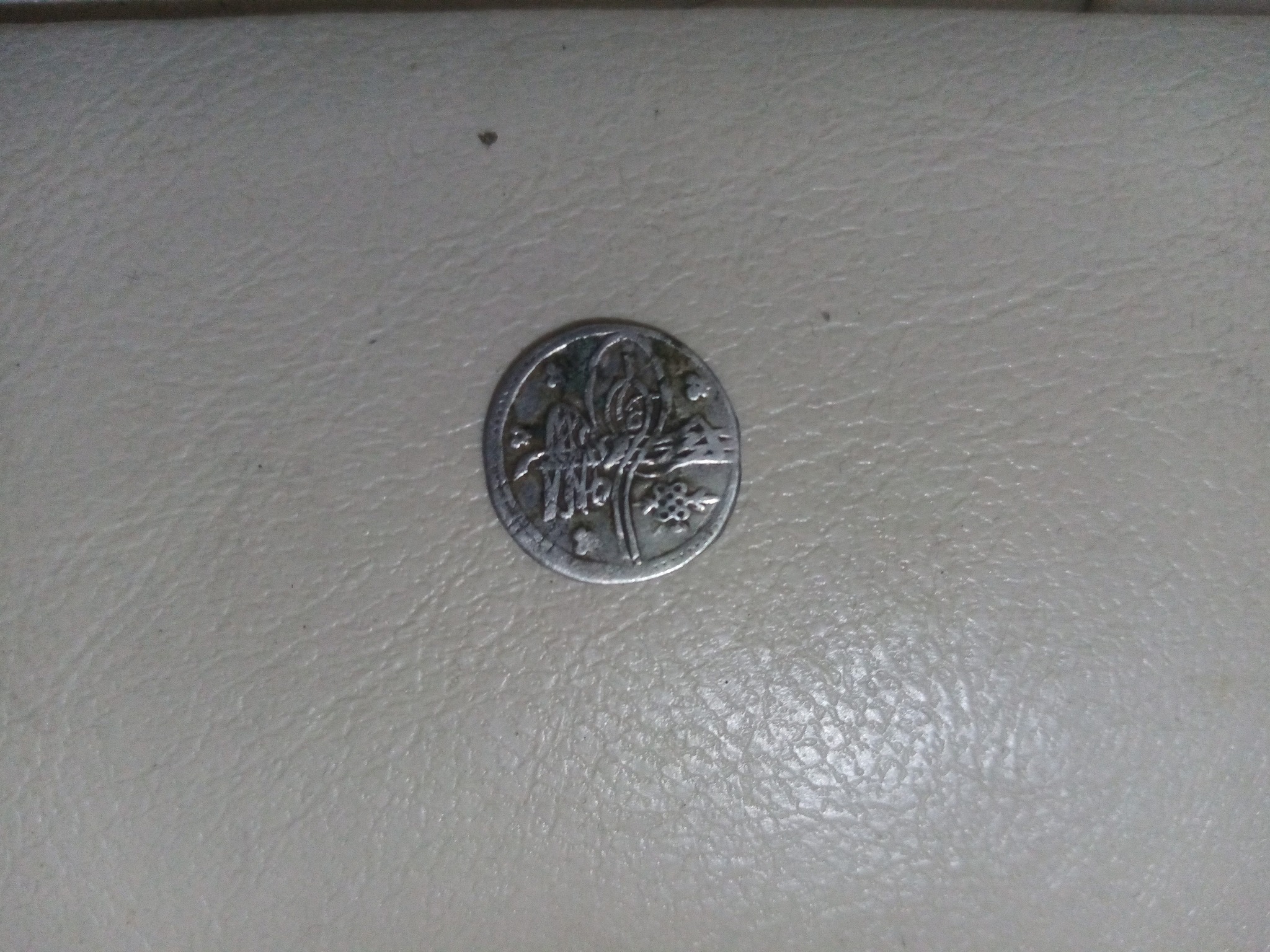
Brief Description
A small, thin silver-colored coin featuring an intricate calligraphic Tughra on one side and Arabic script/date on the other.
Historical Significance
Issued during the reign of Sultan Mahmud II, known for his westernizing reforms (Tanzimat precursor) and the dissolution of the Janissary corps. The coin reflects the complex Ottoman fiscal system and dating conventions.
Estimated Value
$5-$15 in average circulated condition; $30-$50 in choice uncirculated condition.
Care Instructions
Billon coins are susceptible to environmental damage; store in a PVC-free flip or archival capsule. Do not clean, as the thin silver wash can be easily removed.
Mint Mark
Kostantiniyye (Istanbul)
Mintage & Rarity
Common; millions were minted, though they are often found in worn condition.
Weight & Diameter
Approx. 0.4 - 0.6 grams; 14-15 mm
Edge
Plain
Apparent Grade
Fine to Very Fine, showing clear legends but some central wear and toning.
Obverse (Front)
The Tughra (calligraphic monogram) of Sultan Mahmud II, accompanied by flowers or ornaments to the right.
Reverse (Back)
Arabic script reading 'Duriba fi Kostantiniyye' (Struck in Constantinople) with the accession year 1223 and the regnal year above.
What Drives This Coin's Value
The regnal year (written above the inscription on the reverse) and the overall preservation of the thin silvering surface.
Similar Coins
Often confused with 1 Para coins of other Sultans or larger Akce and Kurus denominations which share similar calligraphic designs.
Authenticity & Counterfeit Red Flags
Check for correct weight and thinness. Replicas are often thicker or cast with 'mushy' details compared to the struck originals.
Notable Varieties & Errors
Varieties exist in the floral ornaments next to the Tughra and different regnal years from 1 to 32.
Created At: 2026-06-04T19:20:21.695524