Spanish Colonial Cob (likely 8 Reales)
Country of Origin: Viceroyalty of Peru or New Spain (Modern-day Mexico, Peru, or Bolivia)
Year of Issue: c. 1572-1733
Denomination: 8 Reales (Piece of Eight)
Composition: Silver (typically .931 fine originally, though heavily corroded/mineralized)
Brief Description
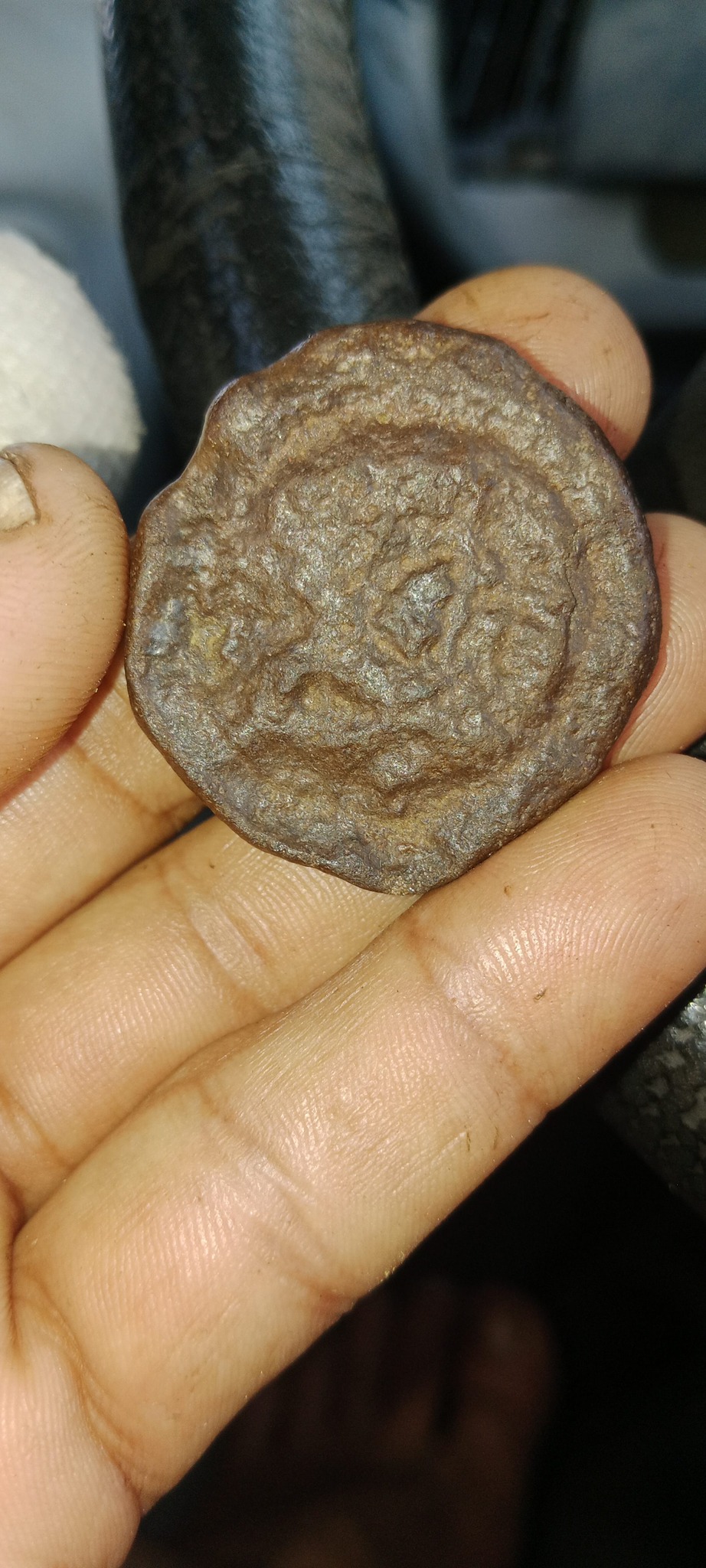
An irregularly shaped, thick precious metal 'cob' coin with heavy corrosion, environmental encrustation, and a dark brown/black patina.
Historical Significance
Cob coins were produced by hand-striking a blank cut from a silver bar. They were the primary currency used in the Spanish Empire and for global trade throughout the 16th to 18th centuries, often found in shipwrecks.
Estimated Value
$50 - $150 (Significant value loss due to extreme corrosion and lack of legible details)
Care Instructions
Do not attempt to clean with chemicals or abrasives. Store in a dry, PVC-free environment. For shipwreck coins, stable humidity is critical to prevent 'bronze disease' or further silver sulfide degradation.
Mint Mark
Typical mints include Mexico City (Mo), Potosi (P), or Lima (L); details are currently obscured by corrosion.
Mintage & Rarity
Common for the type, but identifiable dates/mints are necessary to determine specific rarity.
Weight & Diameter
Standard 8 Reales: ~27 grams, ~30-40mm; this specimen likely weighs less due to metal loss from corrosion.
Edge
Plain/Irregular (crude hand-cut edge)
Apparent Grade
Poor / Environmentally Damaged
Obverse (Front)
Originally featuring the Spanish coat of arms (Hapsburg or Bourbon shield). Current state shows only vague circular outlines and heavy pitting.
Reverse (Back)
Originally featuring the Jerusalem Cross with lions and castles in the quadrants. Elements of the cross-like structure are faintly visible through the heavy encrustation.
What Drives This Coin's Value
Legibility of the date, mint mark, and assayer's mark are the primary value drivers. Shipwreck provenance can add value if certified.
Similar Coins
Modern replicas/fakes sold at gift shops are often very similar. Authentics are distinguished by weight, metal density, and 'flow lines' from the striking process.
Authenticity & Counterfeit Red Flags
Check weight and look for casting seams. Authentic cobs should not have perfectly round edges or repetitive 'pitting' patterns common in cast fakes.
Notable Varieties & Errors
Royal strikes (Galano) are meticulously struck on round planchets and are extremely rare; this is a standard circulation 'cob'.
Created At: 2026-05-06T13:58:46.668859