How to Identify the US State Quarters Series
The 50 State Quarters were struck from 1999 to 2008, each carrying a unique reverse for one state. Look for the state name, entry date, and design theme.
Read the full US State Quarters Series encyclopedia entry →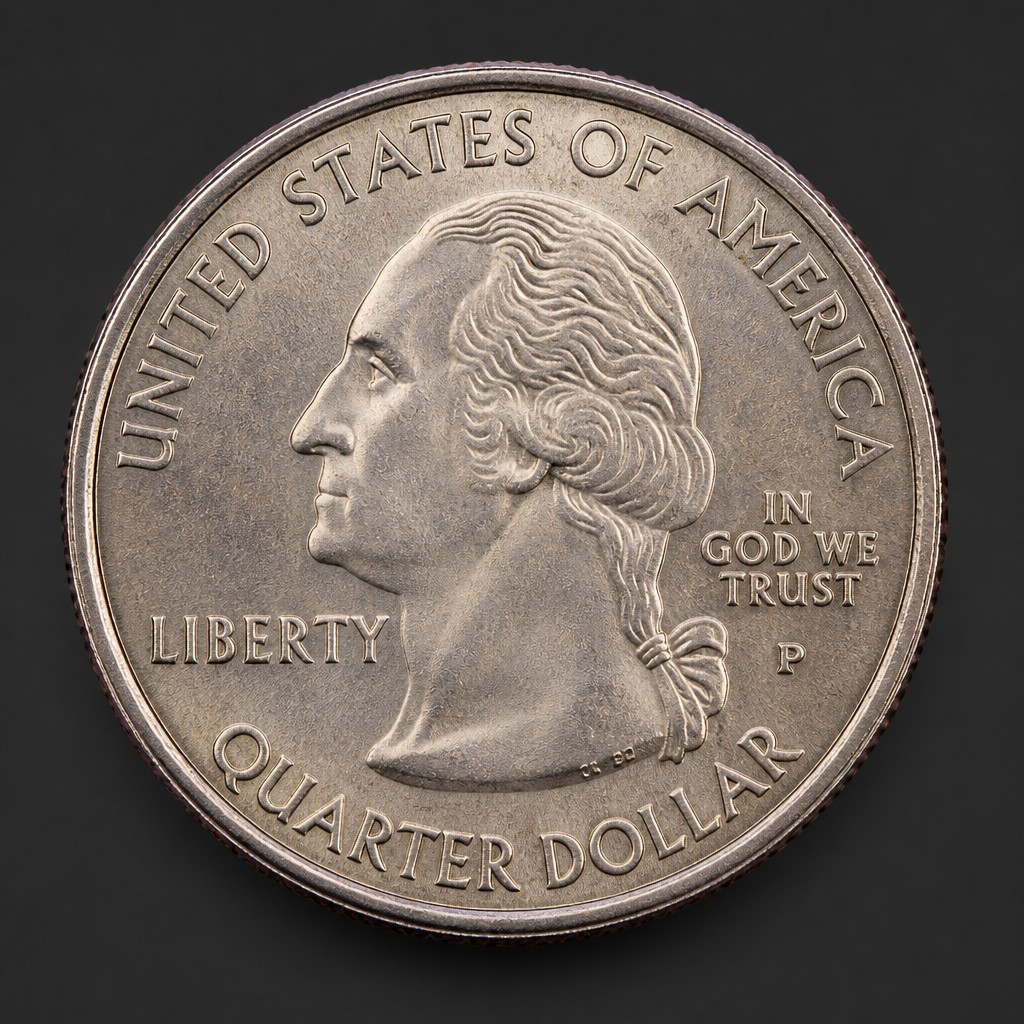
What These Coins Are
The United States 50 State Quarters Program ran from 1999 through 2008, releasing five new designs each year in the order the states ratified the Constitution or joined the Union. Each quarter keeps the standard Washington obverse but carries a distinctive reverse honoring one state, making the series easy to sort once you know what to look for.
Obverse Design and Inscriptions
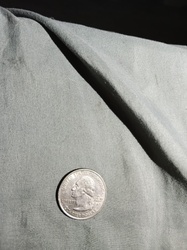
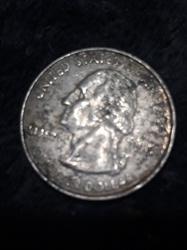
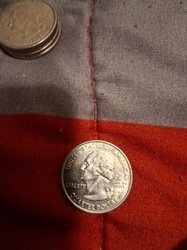
The obverse shows George Washington facing left, a modified version of John Flanagan's classic portrait. Inscriptions read UNITED STATES OF AMERICA across the top, LIBERTY to the left, IN GOD WE TRUST to the lower left, and QUARTER DOLLAR along the bottom. Note that the date and mint mark moved to the reverse for this series, which is a quick way to tell a State Quarter apart from earlier quarters.
Reverse Design and Inscriptions
Each reverse is unique to its state and includes the state's name across the top, the year that state entered the Union, the release year, and the motto E PLURIBUS UNUM. Designs range from Delaware's Caesar Rodney on horseback to California's John Muir and Yosemite. The state name is the fastest identifier.
Size, Weight, Metal and Edge
Circulation strikes are copper-nickel clad: 24.26 mm in diameter, weighing 5.67 grams, with a reeded edge. Silver proof versions, sold only in special sets, are 90% silver and weigh about 6.25 grams. A silver example will show a bright, mirror-like finish and no copper stripe on the edge.
Mint Marks and Where to Find Them
The mint mark sits on the reverse, just below the year, to the right of the state design near the rim. P indicates Philadelphia, D indicates Denver, and S indicates San Francisco, which struck proof and silver examples only. Business strikes carry only P or D.
Telling It Apart From Similar Coins
Because the design changes every coin, confusion usually arises with the later America the Beautiful quarters (2010 onward), which feature national parks rather than states. If the reverse names a state and shows a statehood date, it is a State Quarter; if it names a park or site, it belongs to the newer series.
Judging Condition at a Glance
Check Washington's hair and the high points of each reverse design for wear. Sharp, frosted detail and full luster indicate a well-preserved coin, while flat, smooth high points signal circulation wear. Proof coins have deeply mirrored fields and squared-off rims.
Authenticity Red Flags
Genuine oddities like the Wisconsin "extra leaf" varieties exist, but many altered or novelty pieces circulate as jokes or scams. Be cautious of quarters colorized or gold-plated after the mint; these are aftermarket products, not mint issues, and carry no premium beyond novelty value.
Frequently asked questions
How do I know which state a quarter represents?
The state's name is inscribed across the top of the reverse, and the year it joined the Union appears near the design.
Where is the date on a State Quarter?
The date is on the reverse next to the mint mark, not on the obverse as with older quarters.
Are State Quarters made of silver?
Circulation coins are copper-nickel clad. Only special proof-set versions were struck in 90% silver.
What do the P, D, and S mint marks mean?
P is Philadelphia, D is Denver, and S is San Francisco, which produced proof and silver examples.
US State Quarters Series identified by the community
Recent US State Quarters Series coins identified with Coin Identifier.