
How to Identify the Somalian Silver Elephant (African Wildlife)
A guide to identifying the Somalian Silver Elephant by its Somalia coat-of-arms obverse, yearly-changing elephant reverse, and .999 silver purity struck for the African Wildlife series.
Read the full Somalian Silver Elephant (African Wildlife) encyclopedia entry →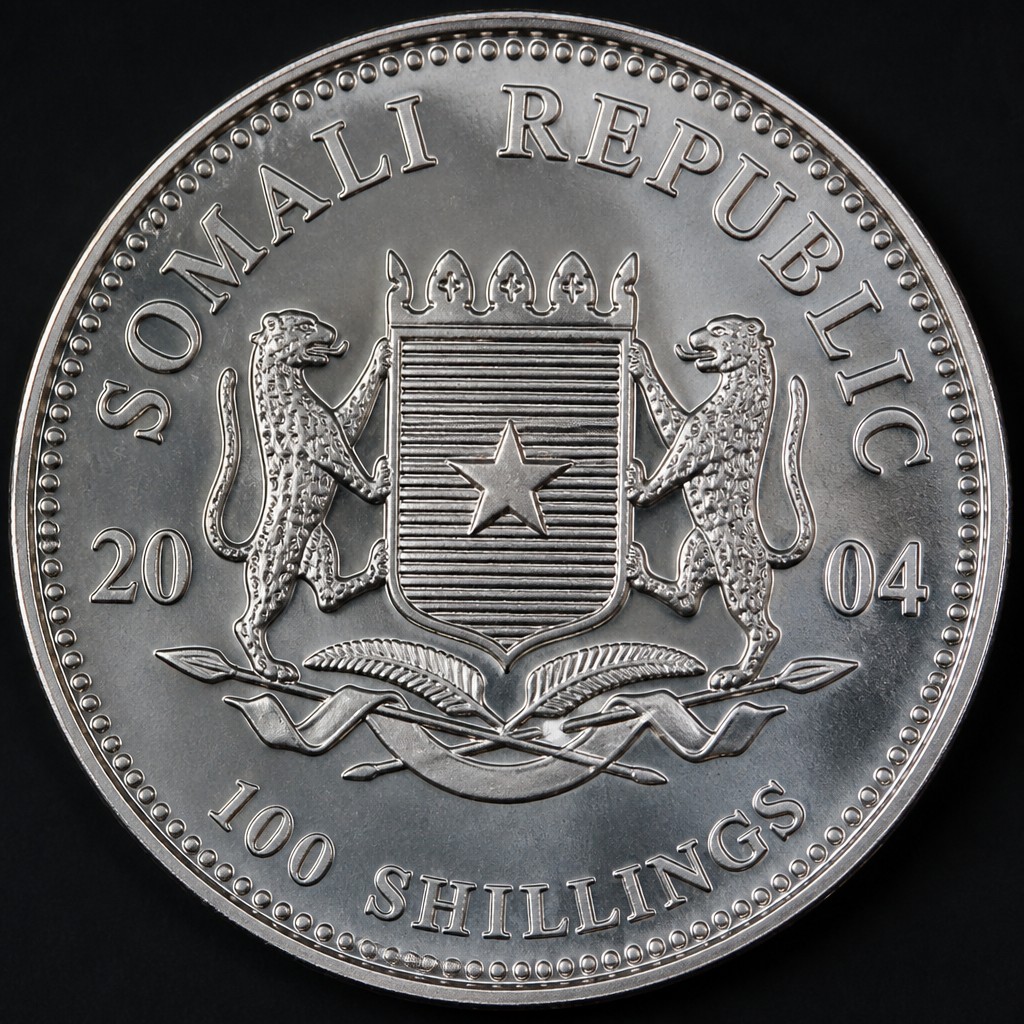
What It Is
The Somalian Silver Elephant is part of the "African Wildlife" bullion series issued as legal tender of Somalia, with the elephant coin having been struck since 2004. It is produced under license by the Bavarian State Mint (Bayerisches Hauptmünzamt) in Germany rather than within Somalia itself. The African Wildlife program has grown to include other Somalia-issued coins featuring different animals, but the elephant remains the longest-running and most widely recognized of the group.
Obverse Design
The obverse shows Somalia's coat of arms - a shield supported by two leopards - along with "SOMALIA" and the coin's face value in Somali shillings.
Reverse Design
The reverse depicts an elephant, with the pose, setting, and number of elephants changing most years, giving the series its own yearly-varying character similar to other changing-design bullion coins.
Size, Weight, and Metal
The coin is struck in .999 fine silver, most commonly in a 1 oz size, though larger sizes have been produced in some years.
Mint Marks and Where to Find Them
The coin does not carry a prominent mint mark identifying the Bavarian State Mint; its origin is instead confirmed by the design, packaging, and official specifications for the series.
Telling It Apart From Similar Coins
The elephant reverse and Somalia coat of arms are distinctive to this series and not shared with other countries' bullion coins. Compare that year's specific elephant artwork to the known design to confirm the date, since the yearly changes mean a mismatch between date and artwork is a warning sign.
Judging Condition at a Glance
Look for even satin luster and crisp detail in the elephant's skin texture and tusks. Silver develops natural toning over time, and handling marks reduce eye appeal without necessarily indicating a problem with authenticity. A coin kept in its original mint capsule or tube typically shows bright, even luster, while a coin that has been carried loose often develops small rim dings and scattered hairline scratches across the open background around the elephant.
Authenticity Red Flags
Check that the coin's weight and diameter match official specifications for its stated size, confirm it is not magnetic, and be cautious of a grainy, dull, or cast-looking surface instead of a sharply struck design. An elephant design that does not match the year stamped on the coin should be examined more closely. Weighing the coin on a precise scale and comparing it to the published specification for its size is a simple first check, since underweight or oversized pieces are a common sign of an unofficial copy.
Frequently asked questions
Who actually strikes the Somalian Silver Elephant?
It is produced under license by the Bavarian State Mint in Germany, even though it is issued as legal tender of Somalia.
Does the elephant design change every year?
Yes, the pose, setting, and number of elephants shown typically changes from year to year.
What purity is the Somalian Silver Elephant?
.999 fine silver.
What is shown on the obverse?
Somalia's coat of arms, featuring a shield supported by two leopards, along with the country name and face value.