
How to Identify the New Zealand Mint Silver Kiwi
A New Zealand bullion coin featuring a changing yearly Kiwi bird design on the reverse and the reigning monarch's portrait on the obverse, struck in one troy ounce of .999 fine silver.
Read the full New Zealand Mint Silver Kiwi encyclopedia entry →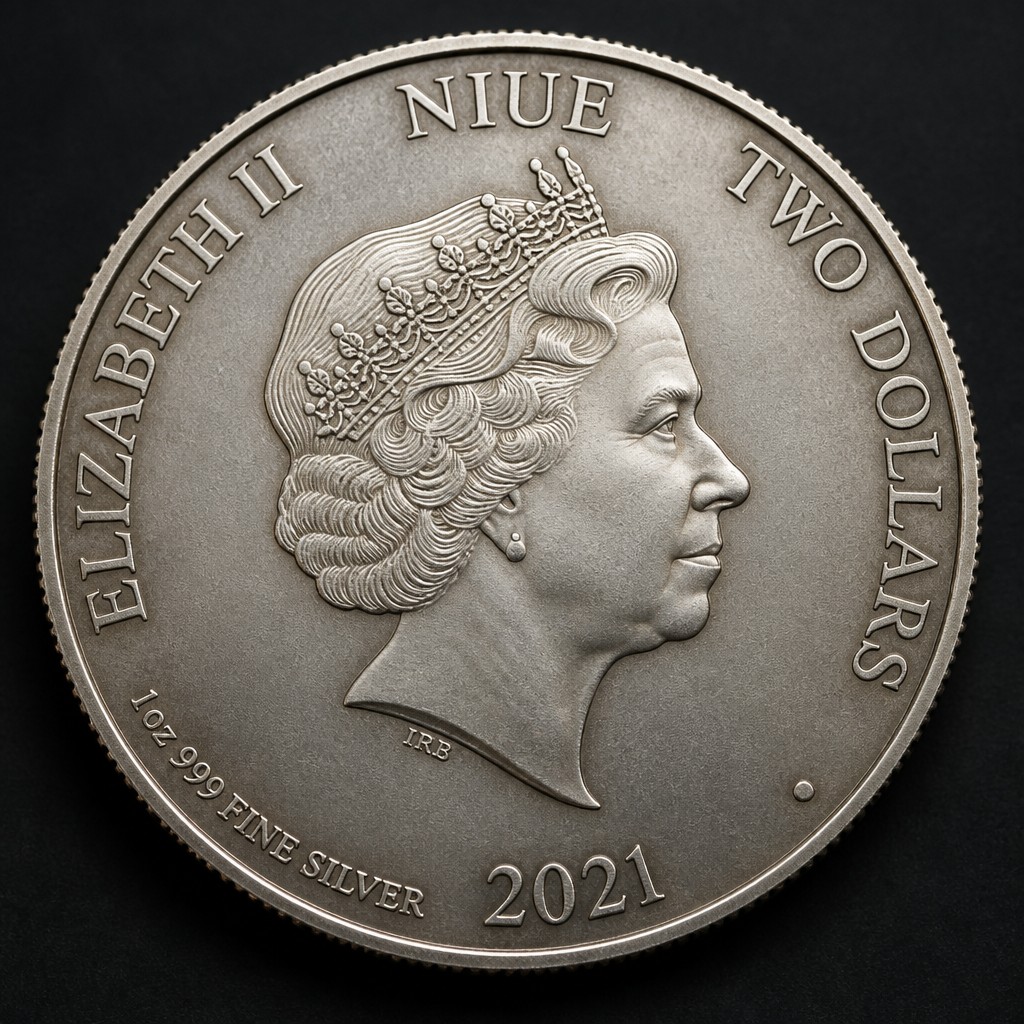
What This Coin Is
The Silver Kiwi is an annual bullion coin issued under the authority of the Reserve Bank of New Zealand and struck by the New Zealand Mint. It is legal tender with a face value of one New Zealand dollar, though its actual worth tracks the silver market. Each year's release typically features a new depiction of the flightless kiwi bird, making the series popular with both bullion buyers and design collectors.
Obverse Design & Inscriptions
The obverse carries the effigy of the reigning British monarch used on New Zealand coinage — Queen Elizabeth II on earlier issues, with King Charles III appearing on releases from his reign onward. Surrounding the portrait you will find "NEW ZEALAND," the year of issue, and the $1 face value. Older coins use the Ian Rank-Broadley portrait; more recent ones use updated royal effigies.
Reverse Design & Inscriptions
The reverse changes annually, always centered on a stylized kiwi bird set against a New Zealand landscape or plain field, depending on the year. Look for "1 OZ FINE SILVER 999" stamped somewhere in the design, along with the mint's kiwi bird logo or "NZ MINT" branding worked into the design elements.
Size, Weight, Metal & Edge
Standard Silver Kiwi coins are struck in one troy ounce of .999 fine silver, with a diameter around 40 mm. The edge is typically reeded. Some special editions have been issued in fractional sizes or with color printing, gilding, or higher-relief strikes, so always check the stated weight against a scale if verifying a specific piece.
Mint Marks & Where to Find Them
As a single-facility bullion product, the Silver Kiwi does not carry a traditional mint mark the way historic circulating coins do. Instead, look for the year date on the obverse and any privy marks or limited-edition counterstamps the mint adds to special releases, usually found in the field near the kiwi or along the rim.
Telling It Apart From Similar Coins
Because the kiwi design changes every year, comparing the reverse artwork against a reference for that specific date is the fastest way to confirm you have a genuine annual release and not a mismatched or altered piece. Watch for the correct monarch's portrait paired with the correct year — a Charles III obverse should never appear on a date from before his reign.
Judging Condition at a Glance
Bullion coins are usually valued near melt regardless of grade, but sharp, mirror-like fields with no scratches or scuffs indicate a coin that has been well handled in mint capsules. Cloudy or milky toning, fingerprints, and edge dings reduce eye appeal. Proof versions should show a deep mirrored background contrasting with frosted design elements.
Authenticity Red Flags
Genuine silver should feel notably dense; a coin that seems too light for its size may be a plated fake. Compare diameter and weight precisely against official specifications, check that lettering is crisp rather than mushy or uneven, and be cautious of sellers offering the coin significantly under prevailing silver spot prices.
Frequently asked questions
Does the Silver Kiwi have a mint mark?
No. It is produced at a single mint, so there is no mint mark — only the year date identifies each release.
How much silver is in a standard Silver Kiwi coin?
One troy ounce of .999 fine silver, unless it's a fractional or special limited edition explicitly labeled otherwise.
Why does the design change every year?
The New Zealand Mint releases a new kiwi bird artwork annually, which is part of what makes the series collectible beyond its silver content.
How can I tell if my coin is a fake?
Check the weight and diameter against official specs, look for crisp lettering and design detail, and be wary of any coin priced well below current silver spot value.