
How to Identify the Isle of Man Noble (Platinum)
A guide to recognizing the world's first platinum bullion coin, covering its Viking ship reverse, monarch obverse, and key specification checks.
Read the full Isle of Man Noble (Platinum) encyclopedia entry →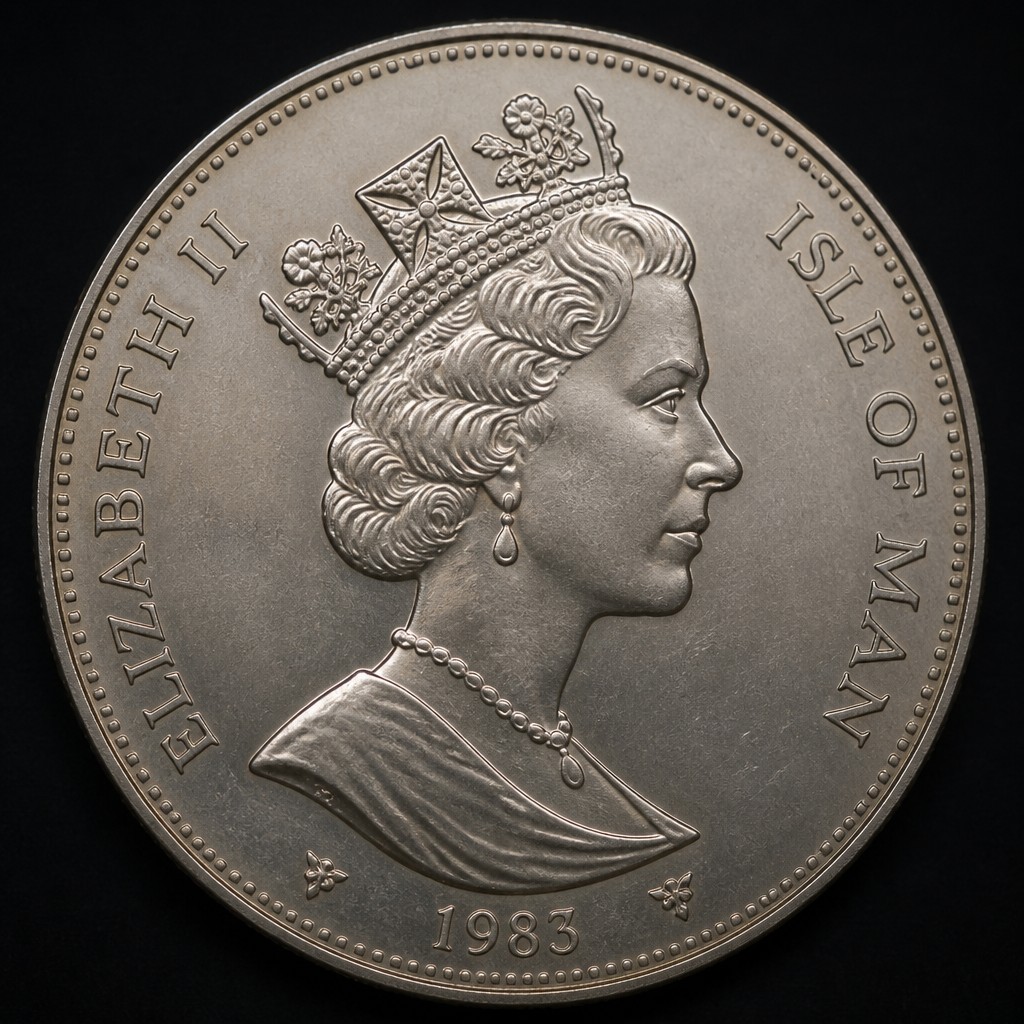
What This Coin Is
The Isle of Man Platinum Noble holds historical significance as the world's first platinum bullion coin, introduced in 1983 by the Pobjoy Mint. It drew its name and general design concept from England's medieval gold Noble coin, adapted here to showcase the then-novel use of platinum for bullion investment.
Obverse Design
The obverse carries the reigning British monarch's portrait along with the Isle of Man's name and the coin's denomination. Early issues show Queen Elizabeth II's effigy in the style used at the time of minting, consistent with other Pobjoy Mint Isle of Man coinage.
Reverse Design
The reverse features a Viking longship in full sail, a nod to the Isle of Man's Norse heritage, rendered with detailed rigging, sail patterning, and wave lines beneath the hull. The weight and fineness statement, along with the date, typically frame the ship imagery along the rim.
Size, Weight, and Metal
The Noble was issued in one troy ounce and fractional platinum weights, generally in .9995 fine platinum, with diameters and edge treatments scaled to each denomination. Because platinum is denser than gold or silver, coins of similar face weight can feel notably compact and heavy compared to gold coins of the same diameter.
Mint Marks and Inscriptions
Look for the fineness and weight inscription, such as "1 OZ PLATINUM 999.5," along with the year of issue. As with other Pobjoy Mint products, a small mint identifier or privy mark may appear near the rim, and this can help confirm authenticity when compared to reference images.
Telling It Apart From Similar Coins
The Viking ship reverse is fairly distinctive, but buyers should not confuse the Noble with other platinum bullion coins like the American Platinum Eagle or Canadian Platinum Maple Leaf, which use eagle and maple leaf motifs respectively. The Isle of Man country designation and ship artwork are the clearest way to confirm this specific coin.
Judging Condition at a Glance
Platinum resists tarnishing and corrosion, so grading focuses mainly on strike quality and handling marks. A well-preserved Noble shows crisp rigging lines and a sharply defined hull on the ship; wear or heavy handling appears as softened detail on the sail and scattered light marks across the field.
Authenticity Red Flags
Because platinum coins are dense and valuable, verify weight and diameter carefully, since counterfeiters sometimes use cheaper metals with similar density, such as tungsten alloys, to mimic platinum's heft. Blurry ship rigging detail, incorrect edge reeding, or a coin that fails to match published diameter-to-weight specifications are signs that warrant further scrutiny before accepting the coin as genuine.
Frequently asked questions
Why is the Isle of Man Noble historically significant?
It was the world's first platinum bullion coin, introduced in 1983, predating other national platinum coin programs by several years.
What is depicted on the reverse?
A Viking longship under sail, referencing the Isle of Man's Norse historical heritage.
What purity is the platinum?
Standard issues are typically .9995 fine platinum, a common purity standard for platinum bullion coins.
Who produces the Isle of Man Noble?
It is struck by the Pobjoy Mint on behalf of the Isle of Man government.
How does it compare in size to gold coins of similar weight?
Because platinum is denser, a Noble of a given weight is typically smaller and feels heavier for its size compared to a gold coin of the same face weight.