
How to Identify the French 100 Francs Silver
France's 100 francs silver coins, struck mainly from 1982 to the mid-1990s, carry commemorative and allegorical designs. Look for the denomination and silver fineness.
Read the full French 100 Francs Silver encyclopedia entry →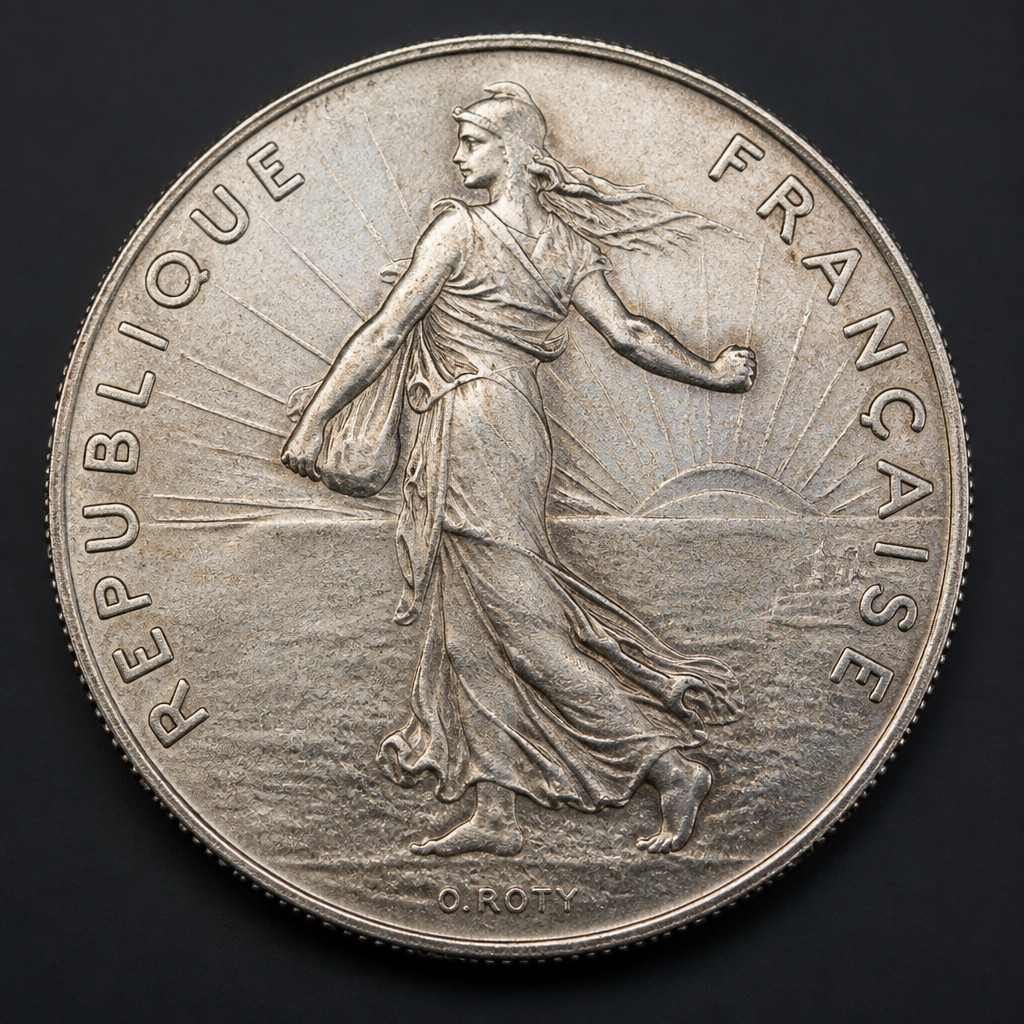
What These Coins Are
The modern French 100 francs silver coin was introduced in 1982, beginning with a design honoring the revolutionary figure Gilbert du Motier, Marquis de Lafayette. Through the 1980s and 1990s France issued numerous 100 francs silver commemoratives celebrating national heroes, monuments, and events until the franc gave way to the euro.
Obverse Design and Inscriptions
The obverse design varies with each commemorative theme, often showing a portrait, allegorical figure, or monument. Inscriptions typically include REPUBLIQUE FRANCAISE, the subject's name or event, and sometimes the artist's signature. The specific theme identifies the coin.
Reverse Design and Inscriptions
The reverse usually carries the denomination 100 FRANCS prominently, along with the year and, on many issues, a value or complementary design element. The clearly stated 100 FRANCS is the surest sign of the denomination.
Size, Weight, Metal and Edge
The standard silver 100 francs is 31 mm in diameter and weighs 15 grams in .900 fine silver. The edge is generally reeded. These specifications distinguish it from the earlier, larger 100 francs coins and from base-metal circulating francs.
Mint Marks and Where to Find Them
French coins carry small privy marks rather than letter mint marks: a mint director's mark and an engraver's mark sit near the edge of the design, one on each side of the date or denomination. The Paris mint's cornucopia is a common privy mark to look for.
Telling It Apart From Similar Coins
Do not confuse this coin with the large gold 100 francs of the 19th century or with base-metal circulating coins. The silver 100 francs is white metal, 31 mm, and 15 grams, clearly marked 100 FRANCS. The commemorative theme and the silver color separate it from ordinary francs.
Judging Condition at a Glance
Inspect the high points of the portrait or figure and the fields for scratches. Brilliant, reflective surfaces indicate an uncirculated or proof coin, while gray toning is normal for silver and not a defect. Worn coins show flattened detail and dulled luster.
Authenticity Red Flags
Because these are 90% silver, verify the 15 gram weight and 31 mm diameter. Genuine coins have crisp privy marks and reeding. Be cautious of pieces with incorrect weight, soft details, or missing engraver marks, which can indicate a cast copy.
Frequently asked questions
How much silver is in a 100 francs coin?
The modern commemorative version is .900 fine silver, weighing 15 grams and measuring 31 mm across.
How is it different from the gold 100 francs?
The gold 100 francs are 19th-century coins; the modern silver version is white metal, larger, and clearly marked 100 FRANCS with a commemorative design.
What are the small symbols near the edge?
They are French privy marks identifying the mint director and the engraver, standard on French coins.
What was the first modern 100 francs silver design?
The 1982 issue honoring the Marquis de Lafayette began the modern silver 100 francs series.