
How to Identify the Denarius of Cordius
A collector's guide to recognizing a Roman Republican denarius of Manius Cordius Rufus by its head, standing reverse figure, CORDIVS legend, and silver fabric.
Read the full Denarius of Cordius encyclopedia entry →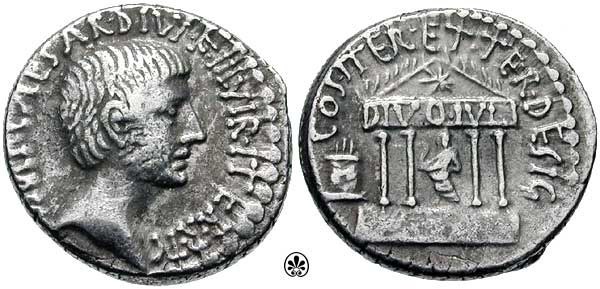
Begin by placing the coin in the right series. This is a Roman Republican denarius: a small, hand-struck silver coin about 17-20 mm in diameter and roughly 3.5-4.0 grams. Expect a slightly irregular flan, some off-center striking, and a solid silver look with age toning. If the piece is large, perfectly round, or brassy in color, it is likely a later coin or a replica rather than a Republican denarius.
Read the obverse. The example here shows a head facing right, the standard Republican placement of the principal device. On worn coins the profile can look sternly generic, so do not rely on the portrait alone; the identifying evidence is the legend and the reverse type struck alongside it.
Attribute it by the legends and reverse type. The moneyer's name is the decisive clue: look for RVFVS on the obverse and MN CORDIVS or CORDIVS, frequently with III VIR, in Latin capitals on the reverse. The reverse device is typically a standing deity or personification. Matching both the name and the reverse scene to a reference catalogue confirms the exact variety and separates it from the many similar Republican issues.
Beware of look-alikes and fakes. Many Republican moneyers used comparable head-and-standing-figure designs, so the legend — not the general layout — separates a Cordius coin from the dozens of related types. Cast forgeries are common: watch for soft, blurry detail, a seam on the edge, bubbles in the surface, and incorrect weight. Genuine struck coins show sharp, crisp die work and honest silver toning.
For authentication, weigh and measure the coin and compare its style and legend against verified images of the same type. Republican silver is heavily counterfeited, so for any valuable example, third-party certification by a recognized ancient-coin grading service is the safest way to confirm both authenticity and grade.
Frequently asked questions
What single feature confirms it is a Cordius coin?
The legends. Look for RVFVS on the obverse and MN CORDIVS or CORDIVS, often with III VIR, on the reverse. The head and standing-figure design alone are shared by many moneyers, so the inscription is what pins it to Manius Cordius Rufus.
What size and weight should it be?
A genuine Republican denarius is small — about 17-20 mm across and roughly 3.5-4.0 grams of silver, often on a slightly irregular flan. Coins far outside that range, or magnetic ones, are suspect.
Does the obverse head name a ruler?
No. Republican denarii of this era show deities or family devices rather than a portrait of a living ruler, so the moneyer's identity comes from the legend rather than a named portrait. Read RVFVS and CORDIVS to attribute it.
How do I spot a fake?
Check for cast signs — soft or blurry detail, edge seams, surface bubbles, and wrong weight. Genuine coins are struck with crisp die detail. For valuable examples, use a reputable ancient-coin grading service.