
How to Identify the Cook Islands Bounty Silver
A guide to the Cook Islands Bounty silver coin, covering its HMS Bounty ship reverse, national obverse elements, weight standard, and fake-spotting tips.
Read the full Cook Islands Bounty Silver encyclopedia entry →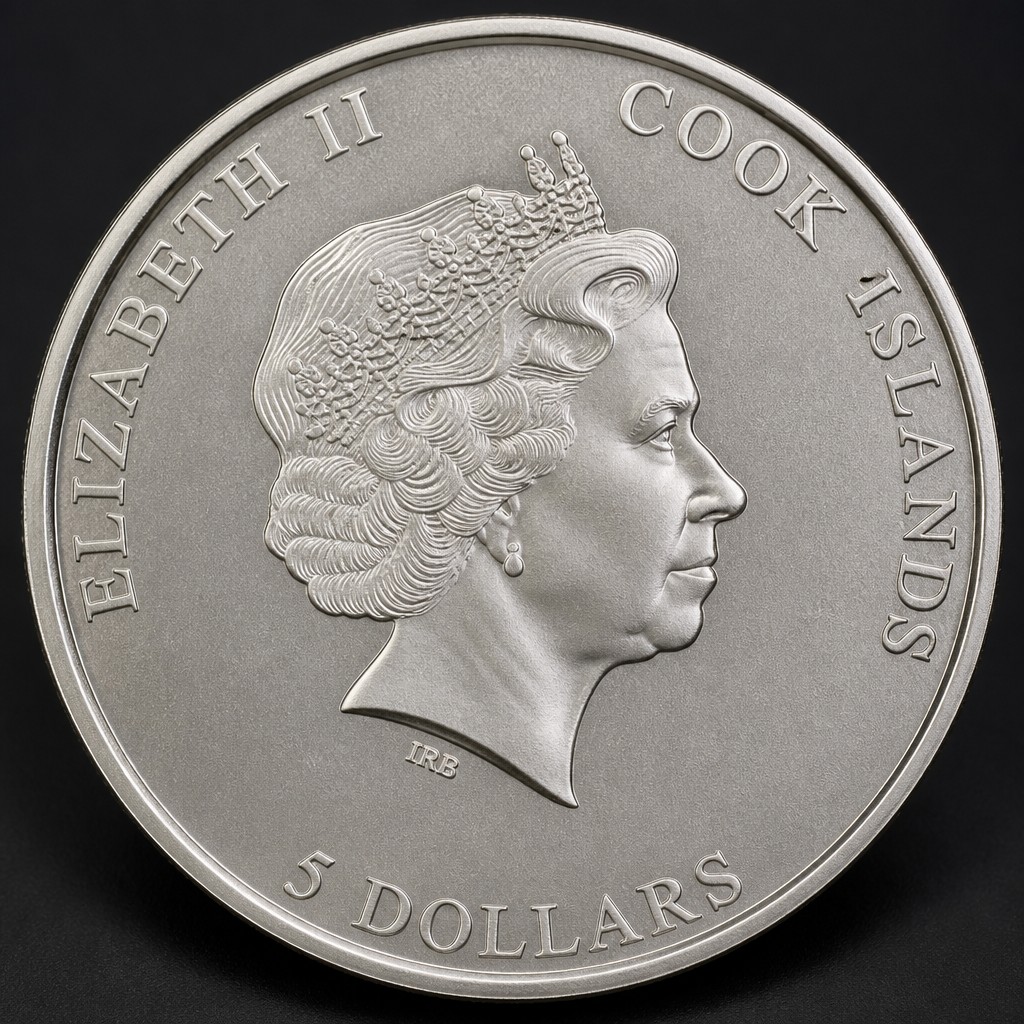
What This Coin Is
The Cook Islands Bounty Silver coin is a bullion and collector issue struck as legal tender of the Cook Islands, commemorating the famous 18th-century sailing ship HMS Bounty and its associated mutiny story. It has appeared in various weights and finishes over the years, produced under contract by commercial mints on behalf of the Cook Islands government.
Obverse Design
The obverse typically carries the reigning British monarch's portrait, consistent with the Cook Islands' historical coinage tradition, along with the country name "COOK ISLANDS" and the face value, usually expressed in New Zealand-linked dollar denominations.
Reverse Design
The reverse depicts the HMS Bounty under full sail, rendered with detailed rigging, masts, and hull lines, often set against a wave or ocean background. The ship imagery is the coin's defining visual feature, and the year of issue along with the fineness and weight statement typically appear along the rim.
Size, Weight, and Metal
Most issues are one troy ounce of .999 fine silver, with a diameter around 38.6 to 40mm depending on the specific release, and a reeded edge typical of bullion coinage. Some releases have appeared with antique finishes or colorized elements aimed at the collector market rather than pure bullion buyers.
Mint Marks and Inscriptions
Look for the "1 OZ FINE SILVER 999" or similar fineness inscription near the ship design, along with the date. As a contract-struck coin, there is typically no separate national mint mark, so matching the specific ship artwork and finish to that year's release is the most reliable identification method.
Telling It Apart From Similar Coins
Ship-themed silver coins are popular across several small-nation bullion programs, so confirm the "COOK ISLANDS" legend to distinguish this issue from other historical ship coins, such as Tokelau or Niue nautical releases, which use different country names and ship subjects. The specific rigging and sail details of the Bounty also differ from generic sailing ship motifs used elsewhere.
Judging Condition at a Glance
Well-preserved coins show crisp rigging lines, clearly defined sails, and a bright, even luster consistent with the coin's finish, whether standard bullion, proof-like, or antiqued. Because antique-finish versions are intentionally toned or textured to look aged, distinguishing genuine wear from an intentional antique finish requires comparing against reference images for that specific release.
Authenticity Red Flags
Verify weight and diameter against the one-ounce .999 fine silver standard, since counterfeit silver rounds sometimes replicate popular ship-themed designs. Blurred or shallow rigging and sail detail, an incorrect or missing fineness stamp, and a coin that feels unusually light for its size are signs that warrant further scrutiny before accepting the coin as genuine.
Frequently asked questions
What ship is depicted on this coin?
The HMS Bounty, the 18th-century sailing ship famous for the mutiny led by Fletcher Christian against Captain William Bligh.
What is the coin's silver purity and weight?
Most issues are one troy ounce of .999 fine silver, though finishes and exact specifications can vary by release.
Are there different finishes available?
Yes, some releases include antique or colorized finishes aimed at collectors in addition to standard bright bullion strikes.
How do I confirm it's a genuine Cook Islands issue?
Check for the "COOK ISLANDS" country name in the legend along with the correct fineness and weight markings for that release.
Who strikes Cook Islands coins?
They are produced under contract by commercial mints on behalf of the Cook Islands government, which does not operate its own mint.