
How to Identify the Canadian 2010 Vancouver Olympics Coins
Canada issued circulating and collector coins for the 2010 Vancouver Winter Olympics. Look for winter sports and mascot designs on 25-cent, dollar, and precious-metal coins.
Read the full Canadian 2010 Vancouver Olympics Coins encyclopedia entry →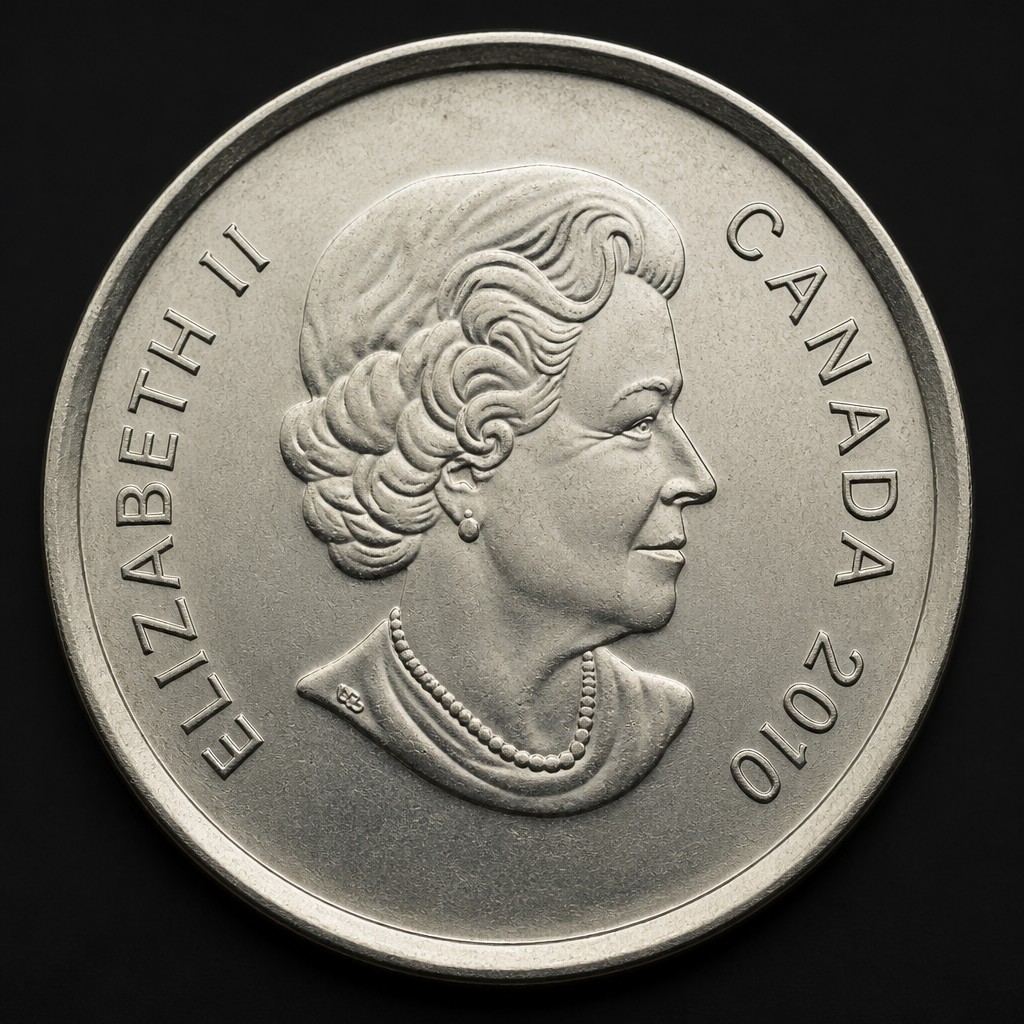
What These Coins Are
For the 2010 Winter Olympic and Paralympic Games in Vancouver, the Royal Canadian Mint issued a wide program spanning circulating 25-cent coins, special dollars, and silver and gold collector pieces. The circulating quarters, featuring winter sports, brought the Games into everyday Canadian pocket change.
Obverse Design and Inscriptions
The obverse carries the portrait of Queen Elizabeth II by Susanna Blunt, with ELIZABETH II, the denomination, D G REGINA, and the year. The effigy is standard on Canadian coins of the period, so it confirms country and denomination rather than the specific theme.
Reverse Design and Inscriptions
The reverse shows the Olympic theme: winter sports such as ice hockey, curling, bobsleigh, or figure skating, plus the Vancouver 2010 logo (the inuksuk stone figure named Ilanaaq) or the Games' mascots. Some circulating quarters were also issued in colorized versions. The sport or emblem identifies the coin.
Size, Weight, Metal and Edge
The circulating sports quarters are standard 25-cent coins in nickel-plated steel, 23.88 mm across and about 4.4 grams, with a plain edge. Collector dollars and silver and gold coins vary in size and metal; the fine-silver pieces are heavier and clearly marked with their denomination.
Mint Marks and Where to Find Them
Canadian coins do not use letter mint marks, since the Royal Canadian Mint strikes them all. Identify pieces by date, denomination, finish, and whether they are colorized. Collector coins arrive in official packaging noting metal, weight, and mintage.
Telling It Apart From Similar Coins
The Queen's portrait, Canadian denomination, and Vancouver 2010 inuksuk logo distinguish these from other Olympic coins. Winter sports themes point specifically to Vancouver rather than a summer Games. Colorized quarters are circulating coins with added color, not aftermarket alterations, when they carry the official logo.
Judging Condition at a Glance
Check the raised sport image and the Queen's portrait for wear, and, on colorized coins, whether the color layer is intact. Uncirculated and proof collector coins keep full luster and crisp detail; circulating quarters from change often show scuffs and faded color.
Authenticity Red Flags
For precious-metal issues, verify the metal, weight, and diameter against the specific coin's specifications and look for crisp detail and correct denomination. Because circulating quarters were made in large numbers, they are seldom faked, but confirm that any "special" colorized version matches official Royal Canadian Mint designs.
Frequently asked questions
Whose portrait is on the obverse?
Queen Elizabeth II, in the effigy by Susanna Blunt used on Canadian coins of that period.
What is the Vancouver 2010 logo?
It is the inuksuk, a stone human figure named Ilanaaq, which appears on many of the Games' coins.
Were any circulating coins colorized?
Yes, the Royal Canadian Mint issued official colorized winter-sport quarters alongside plain versions.
Do Canadian Olympic coins have mint marks?
No, the Royal Canadian Mint strikes all Canadian coins, so you identify them by date, denomination, and finish.