
How to Identify the British Silver Landmarks of Britain
A Royal Mint bullion series honoring iconic United Kingdom landmarks, struck in one troy ounce of .999 fine silver with a two-pound face value and a rotating cast of famous sites.
Read the full British Silver Landmarks of Britain encyclopedia entry →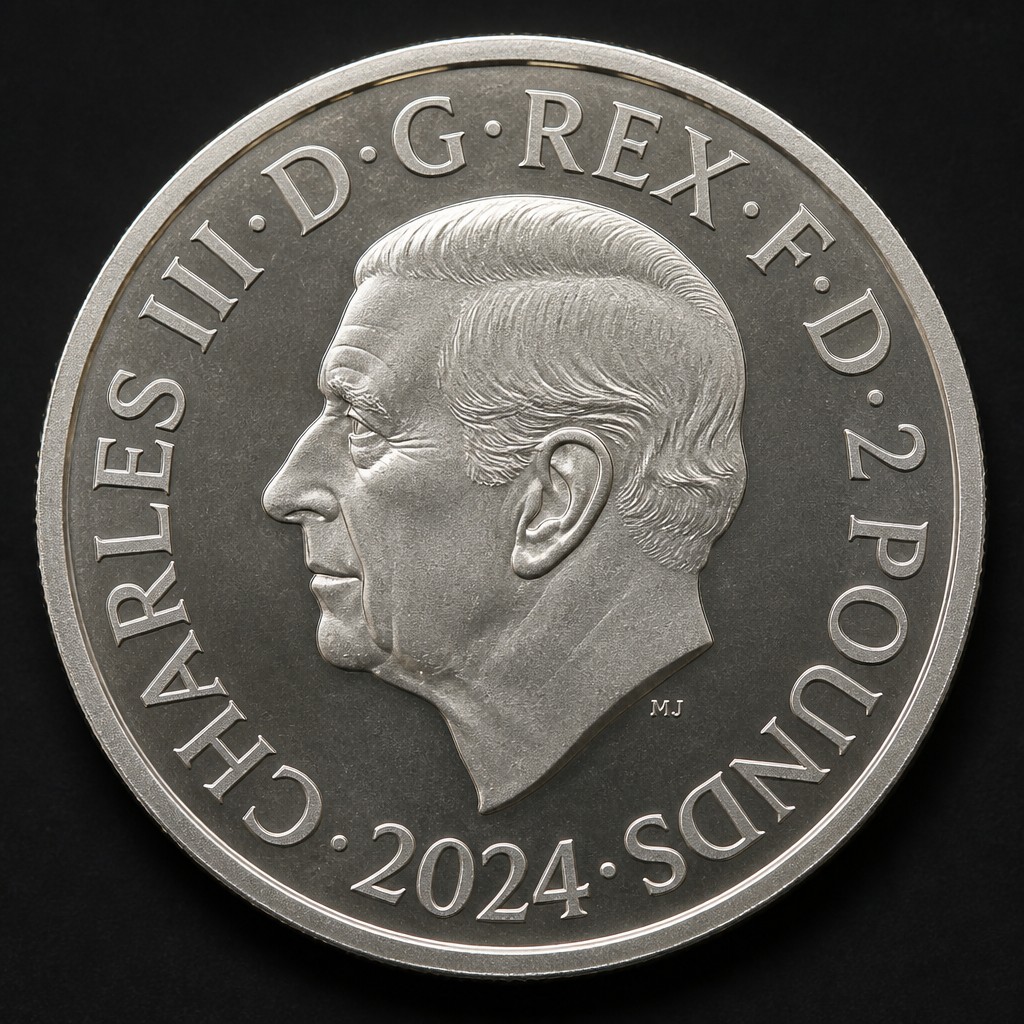
What This Coin Is
The Landmarks of Britain series is a Royal Mint bullion program celebrating well-known British sites and structures, with each release in the series dedicated to a different landmark. The coins carry legal tender status in the United Kingdom with a nominal £2 face value, while their market value is driven by silver content and, for some collectors, the specific landmark depicted.
Obverse Design & Inscriptions
The obverse bears the official coinage portrait of the monarch current at the time of striking — Queen Elizabeth II on earlier issues, King Charles III on later ones — along with "ELIZABETH II" or "CHARLES III," the year of issue, and the £2 denomination.
Reverse Design & Inscriptions
Each reverse depicts a specific British landmark, such as a famous bridge, monument, natural formation, or historic structure, rendered in relief with the landmark's name often lettered into the design. Fineness and weight are usually marked as "1 OZ FINE SILVER 999," sometimes accompanied by the Royal Mint's own mark.
Size, Weight, Metal & Edge
Standard coins in this series are one troy ounce of .999 fine silver with a diameter around 38–40 mm and a reeded edge, consistent with other Royal Mint bullion products. Always confirm weight against the coin's stated size, since collector or proof editions in the broader series can vary.
Mint Marks & Where to Find Them
Look for the Royal Mint's mark, which may appear as a small emblem near the monarch's portrait, confirming the coin's origin. Since these coins come from a single mint, the mark functions as a maker's stamp rather than a way to distinguish between multiple striking facilities.
Telling It Apart From Similar Coins
Because each release in the series shows a different landmark, confirm the specific structure depicted matches the name or theme advertised for that release. Other UK bullion themes, like Royal Mint animal or crest series, share similar sizing and obverse portraits, so the landmark artwork on the reverse is the key distinguishing feature.
Judging Condition at a Glance
As with most silver bullion, value tracks metal content closely, but sharp architectural detail in the landmark's carving, free of scuffs or haze, indicates better preservation. Proof editions should display a strong contrast between mirrored fields and frosted relief; a flat, dull appearance on a proof suggests mishandling.
Authenticity Red Flags
Confirm the coin's diameter and weight against official Royal Mint specifications for the release, since fakes are often slightly off in size or noticeably underweight due to base-metal cores. Check that lettering naming the landmark and the fineness statement are crisp and correctly spelled, and avoid coins priced suspiciously far below current silver spot value.
Frequently asked questions
Is every coin in this series the same design?
No, each release features a different British landmark on the reverse, making the series a rotating collection rather than a single fixed design.
What is the silver content of a standard coin?
One troy ounce of .999 fine silver for the standard bullion release, though other sizes may exist for special editions.
Is this coin legal tender?
Yes, it carries a nominal £2 face value in the United Kingdom, though its actual worth is tied to its silver content.
How do I know which landmark is on my coin?
The landmark's name or an identifiable depiction is typically part of the reverse design; compare it to official Royal Mint release information for that year.