
How to Identify the Australian Lunar Series Silver
A guide to identifying Australian Lunar Series silver coins by their Chinese zodiac animal reverse, royal portrait obverse, Perth Mint P mintmark, and series-specific border styles.
Read the full Australian Lunar Series Silver encyclopedia entry →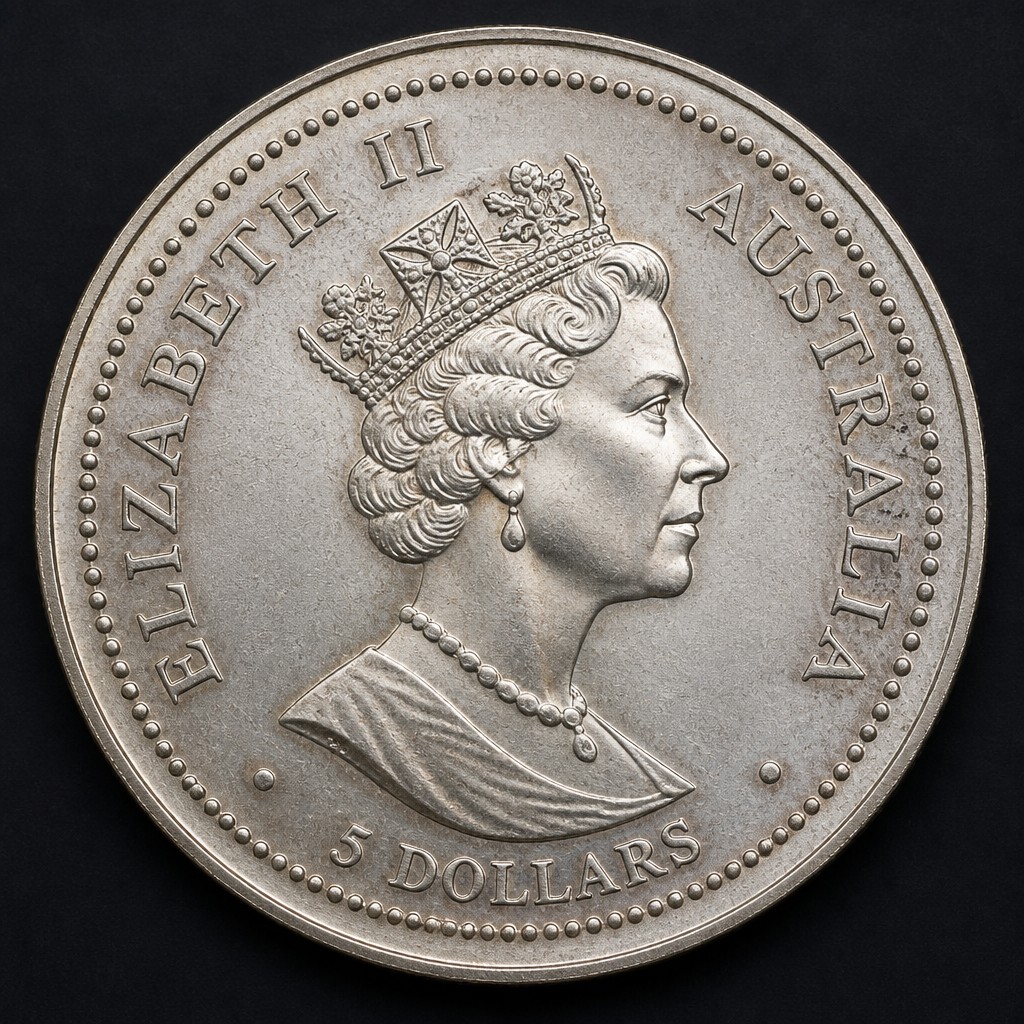
What It Is
The Lunar Series is a Perth Mint bullion program devoted to the twelve animals of the Chinese zodiac, with a new animal featured each year. Series I ran from 1996 to 2007, Series II from 2008 to 2019, and Series III began in 2020, each series covering one full twelve-year zodiac cycle - rat, ox, tiger, rabbit, dragon, snake, horse, goat, monkey, rooster, dog, and pig - before starting the cycle again with fresh artwork.
Obverse Design
The obverse carries a portrait of the reigning monarch - Queen Elizabeth II on earlier coins, King Charles III on the most recent - often accompanied by a small Chinese zodiac symbol or character for that year's animal.
Reverse Design
The reverse shows an illustration of that year's zodiac animal - such as the rat, ox, tiger, rabbit, dragon, snake, horse, goat, monkey, rooster, dog, or pig - along with "AUSTRALIAN LUNAR," the weight and fineness, and the date.
Size, Weight, and Metal
Lunar Series silver coins are struck in .999 fine silver, most commonly in a 1 oz size, with smaller and larger weights also produced in various years.
Mint Marks and Where to Find Them
A small "P" mintmark appears within the design, identifying the Perth Mint.
Telling It Apart From Similar Coins
The overall border and frame style differs somewhat between Series I, II, and III, so the general design treatment can help place a coin in the right series in addition to the zodiac animal itself. Compare the specific animal illustration to the known design for that year and series, and note that the same zodiac animal reappears once per twelve-year cycle with a different design each time.
Judging Condition at a Glance
Look for crisp detail in the animal's fur, feathers, or scales and clean, well-defined lettering. Silver develops natural toning over time, and handling marks reduce eye appeal without necessarily indicating an authenticity problem. A coin still sealed in its original mint capsule usually keeps a bright, frosty finish, while a coin that has been carried loose often shows small rim dings and fine hairline scratches across the open background field.
Authenticity Red Flags
Verify the "P" mintmark, check that the weight and diameter match official specifications, and be cautious of a grainy or cast-looking surface instead of a sharply struck design. A mismatch between the zodiac animal shown and the year stamped on the coin is also worth investigating. Weighing the coin precisely and measuring its diameter against the official figures for that year is a simple, reliable first step before examining any finer design details.
Frequently asked questions
How many series has the Lunar program had?
Three so far - Series I (1996-2007), Series II (2008-2019), and Series III (beginning 2020) - each covering one twelve-year zodiac cycle.
Where is the mint mark on a Lunar Series coin?
A small 'P' appears within the coin's design, identifying the Perth Mint.
How can I tell which series a coin belongs to?
The border and frame styling differs somewhat between Series I, II, and III, and the year and zodiac animal together confirm the exact issue.
What purity is the Lunar Series silver coin?
.999 fine silver.