
How to Identify the Australian Koala (Perth Mint)
The Australian Koala is a Perth Mint bullion coin series featuring a koala design that changes annually, struck in silver, gold, and platinum for collectors and investors.
Read the full Australian Koala (Perth Mint) encyclopedia entry →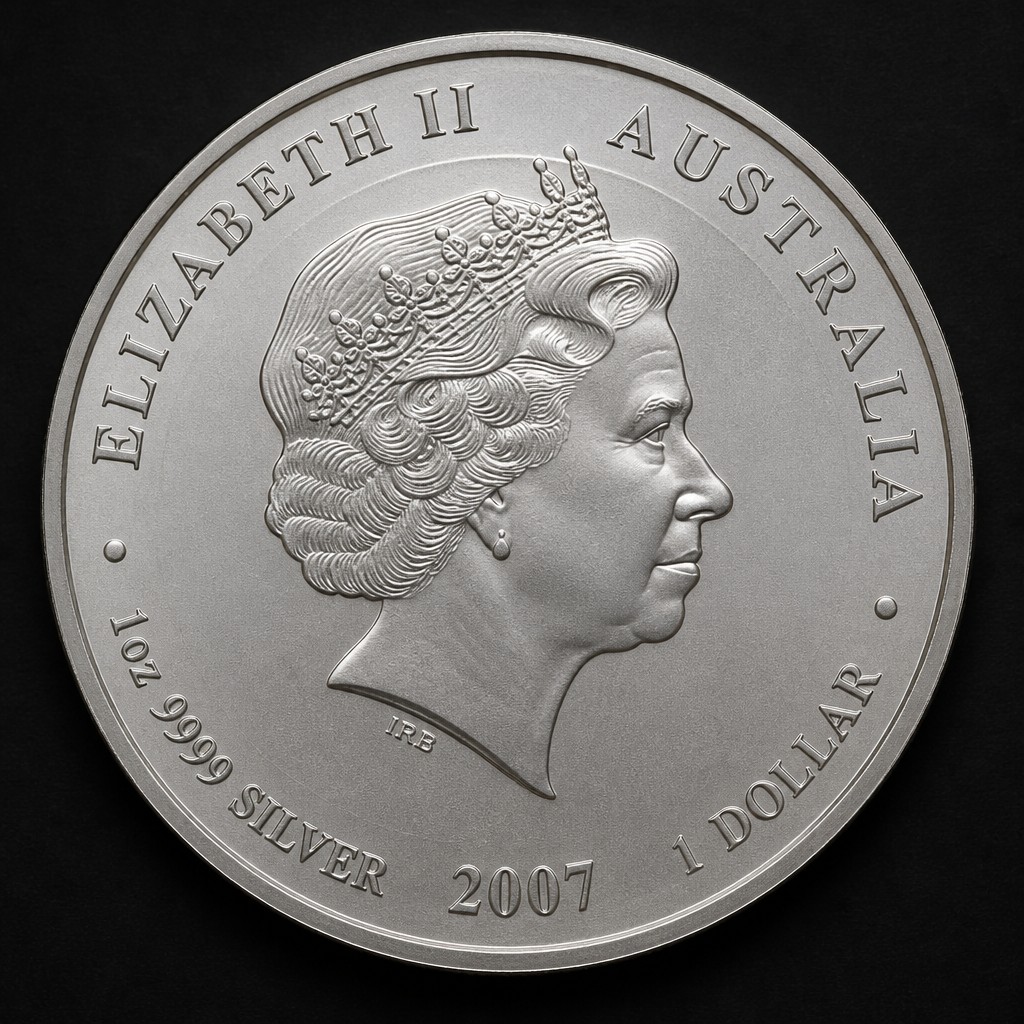
What It Is
The Australian Koala is a bullion coin series produced by the Perth Mint, first introduced for gold in the early 1990s and later expanded to silver and platinum versions. Unlike the fixed image seen on some bullion coins, the koala artwork on the reverse changes design every year, giving each annual release its own distinct appearance and encouraging collectors to acquire a full year-by-year set alongside the Lunar and Kangaroo programs.
Obverse Design & Inscriptions
The obverse displays the official Australian coinage portrait of the monarch, historically Queen Elizabeth II in various effigy styles and more recently King Charles III, along with the denomination, country name "Australia," and year of issue.
Reverse Design & Inscriptions
The reverse features a koala, often shown resting in or near eucalyptus branches, with the specific pose and setting differing from year to year. Inscriptions include the metal's fineness (such as ".999" or ".9999"), the coin's weight, and the word "KOALA."
Size, Weight, Metal, and Edge
Koala coins are issued in multiple sizes, from fractional-ounce pieces to larger one-ounce and multi-ounce coins, struck in .999 fine silver, .9999 fine gold, or .9995 fine platinum depending on the version. Edges are reeded on standard bullion sizes.
Mint Marks and Where to Find Them
A small "P" mintmark appears on the reverse, identifying Perth Mint production, often positioned near the koala artwork or within the coin's legend. Collectors sometimes overlook this small mark since it is intentionally understated compared to the larger design elements, but it is a reliable and consistent feature across every year of the series.
Telling It Apart From Similar Coins
Because the design changes annually, each year's Koala coin looks noticeably different from the last, which can make quick identification tricky; the constants to look for are the "P" mintmark, the word "KOALA," and the Australian monarch's portrait on the obverse, which distinguish it from other nations' wildlife-themed bullion coins such as the Canadian Wildlife series or Somalia's animal coins. It can also be compared against the Perth Mint's Kangaroo and Kookaburra series, which share similar specifications but feature different animals entirely.
Judging Condition at a Glance
As a bullion and collector coin, condition is judged by the crispness of the koala's fur texture and the eucalyptus leaf detail, along with the absence of bag marks or scuffs in the coin's fields, which is especially important for buyers seeking gem uncirculated or proof-quality examples.
Authenticity Red Flags
Given the value of gold and platinum versions, verify the coin's exact diameter and weight against official specifications for that year and metal type, and inspect the koala's fur detail and lettering for sharpness, since counterfeit pieces often show softer, less defined texture. A missing or poorly formed "P" mintmark is also a warning sign, as is packaging or a certificate of authenticity that does not match the specific year's official Perth Mint release.
Frequently asked questions
Does the Koala coin design stay the same every year?
No, the koala artwork on the reverse changes annually, so each year's coin has a unique pose or setting, unlike some bullion coins that reuse one fixed design.
What metals is the Australian Koala coin struck in?
It is produced in silver, gold, and platinum versions, each following the appropriate fineness standard for that metal.
How can I identify the mint of an Australian Koala coin?
Look for a small 'P' mintmark on the reverse, which confirms the coin was struck at the Perth Mint.
What's on the obverse of the Koala coin?
The obverse shows the official Australian monarch's portrait along with the denomination, country name, and year, similar to other Australian bullion coins.