
How to Identify the 500 Yen Niigata Prefecture Commemorative
A collector's checklist for the Niigata 500 Yen: reading the ship design and Japanese legends, confirming the value, and attributing the issue.
Read the full 500 Yen Niigata Prefecture Commemorative encyclopedia entry →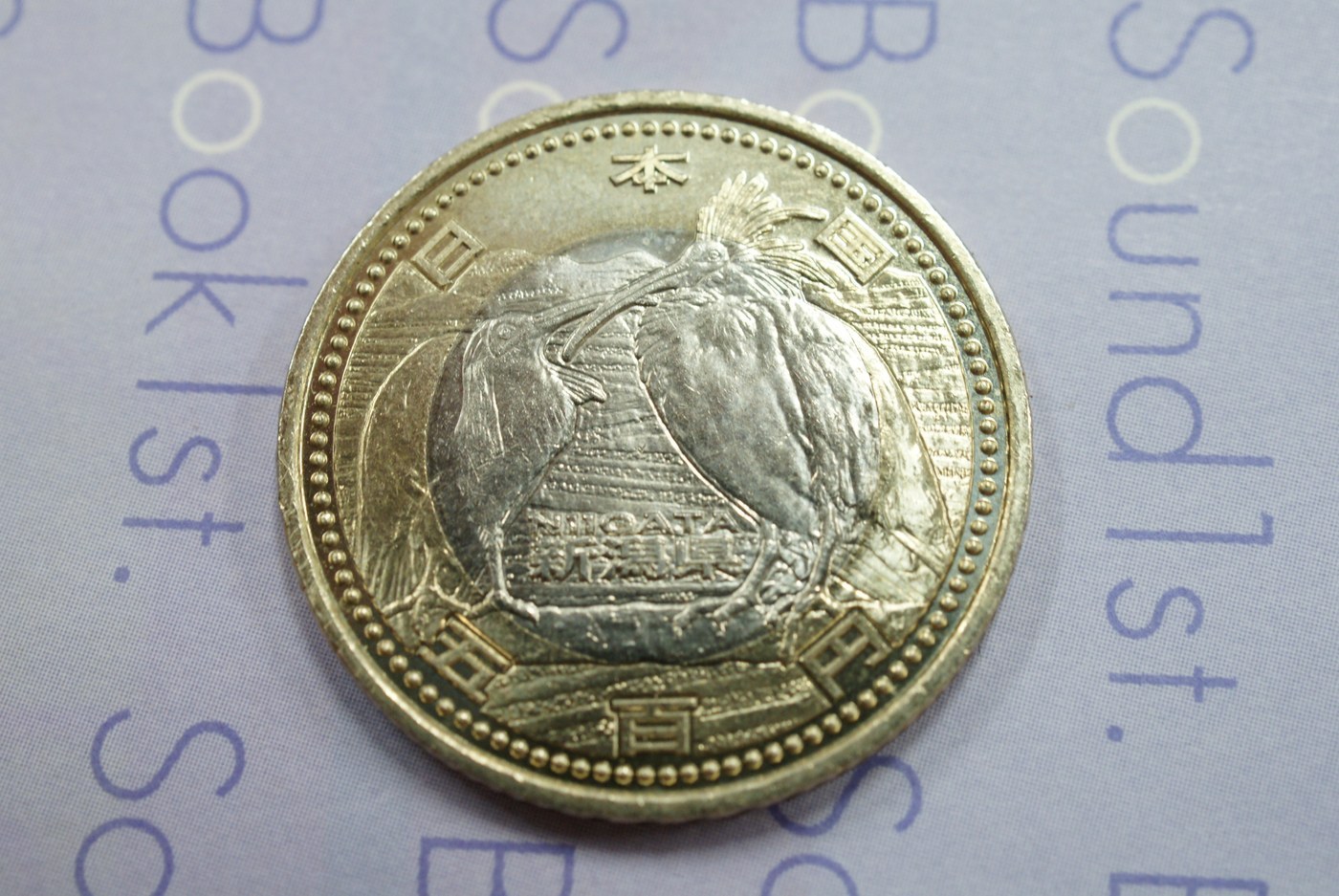
Begin with the design subject, which is the fastest route to attribution. This coin's visible face carries a traditional ship on waves, a maritime emblem tied to Niigata Prefecture and its port history. Because each Japanese prefecture commemorative uses a different local motif on a shared 500 Yen denomination, the ship is the specific marker that points to Niigata rather than to another region.
Read the Japanese legends on the coin. Locate the prefecture name to confirm Niigata and find the 500 Yen value stated in the inscription. Matching both the ship image and the prefecture name together gives a firmer attribution than the design alone, since ship and boat motifs appear on coins from many countries.
Assess size and surface. The coin presents as a silver-toned, commemorative-grade piece with a bright, collector-quality finish rather than the wear of a circulated coin. Compare its diameter and appearance against published specifications for Japan's prefecture 500 Yen coins; a significant mismatch in size or weight is a reason to look closer before accepting the attribution.
Watch for look-alikes within the series. The prefecture program includes many 500 Yen coins that share format and denomination but differ in design, so the ship motif and the Niigata legend are what separate this issue from its siblings. Only the ship face is visible in the photograph, so verify the reverse and the exact year against a Japan Mint listing or a specialized catalog rather than assuming them.
Apply routine authentication caution. Check that legends are crisp and correctly formed, that the finish is even, and that there are no casting seams or soft, mushy detail. For a modern commemorative, confirming the coin against an official mint description of the Niigata issue — including its reverse and packaging — is the most reliable way to settle both identity and originality.
Frequently asked questions
How do I know this is the Niigata coin and not another prefecture?
Read the Japanese prefecture name in the legend and match it with the ship design. Each prefecture 500 Yen commemorative shares the format but uses a different local motif, so the Niigata name plus the ship together confirm the issue.
Why does the ship matter for identification?
The traditional ship represents Niigata's maritime and port heritage and is the region-specific design on this coin. It is the primary visual clue that distinguishes this piece within Japan's prefecture commemorative series.
The reverse isn't shown — how do I confirm the full coin?
Only the ship face is visible here, so the opposite side cannot be described from the image. Match the visible design and legends to a Japan Mint listing or a prefecture-series catalog to verify the reverse and the year.
How can I tell a genuine example from a fake or replica?
Look for crisp, correctly formed legends, an even commemorative finish, and no casting seams or soft detail. Compare size and weight to published specifications, and confirm against an official mint description before relying on an attribution or value.