How to Identify the 2000 Sydney Olympics Coin Series
Australia issued a broad silver and gold program for the 2000 Sydney Olympics. Look for Australian wildlife and sport designs with dollar denominations and the Queen's portrait.
Read the full 2000 Sydney Olympics Coin Series encyclopedia entry →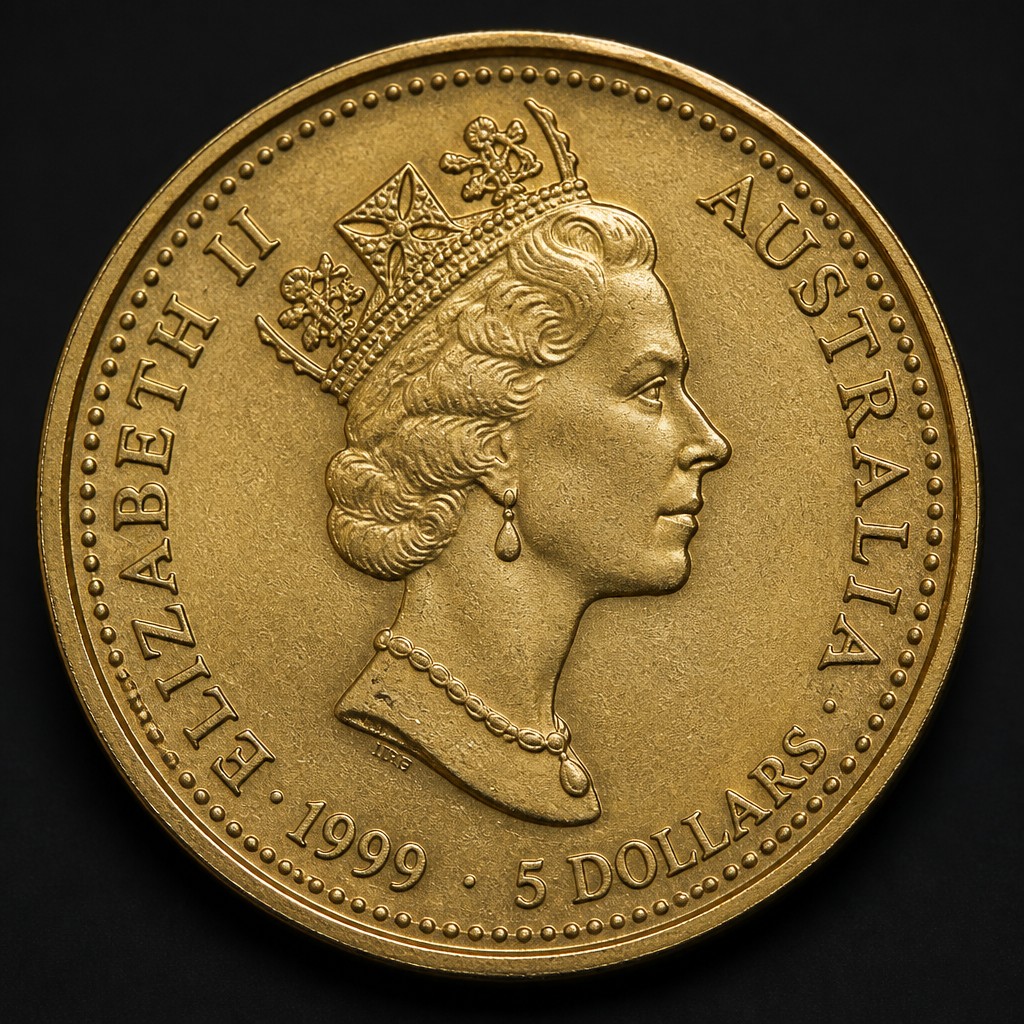
What These Coins Are
For the 2000 Summer Olympics in Sydney, the Royal Australian Mint and the Perth Mint issued a large commemorative program in silver and gold. The series celebrated Australian sport, landscape, and wildlife, and included a widely collected set of silver five-dollar coins showcasing the nation's natural and cultural heritage.
Obverse Design and Inscriptions
The obverse carries a portrait of Queen Elizabeth II, as on Australian coinage of the period, with her name, the denomination, and the year. Because the monarch's effigy is standard, the obverse confirms the country and denomination rather than the specific theme.
Reverse Design and Inscriptions
The reverse shows the commemorative Olympic theme: Australian animals, athletes, landmarks, or the Sydney 2000 Olympic emblem. Inscriptions name the subject and include Olympic branding. This side identifies each coin within the multi-part series.
Size, Weight, Metal and Edge
The popular silver five-dollar coins are struck in fine silver at around 36 mm, while gold issues carry higher denominations. Sizes and weights vary across the program, but the silver pieces are broad and clearly marked with their dollar value and reeded edges.
Mint Marks and Where to Find Them
Coins came from the Royal Australian Mint in Canberra and the Perth Mint. Perth issues may carry the P mint mark, while Canberra pieces often have no letter. Look near the design edge or below the effigy for any mark, and note the issuing mint on packaging.
Telling It Apart From Similar Coins
The Queen's portrait, Australian dollar denomination, and Sydney 2000 emblem distinguish these from other countries' Olympic coins. Australian wildlife themes are a strong clue. Silver five-dollar coins are white metal and marked $5, separating them from the gold issues of higher value.
Judging Condition at a Glance
Inspect the animal or athlete detail and the Queen's portrait for wear. Proof coins have mirror fields and frosted designs; uncirculated coins are lustrous. Since most were sold in capsules and sets, well-preserved examples are common, and toning on silver is normal.
Authenticity Red Flags
Because the series is large, verify metal, weight, and diameter for the specific coin type. Genuine issues have sharp detail, correct denomination, and clean reeding. Be wary of coins with incorrect weight or blurry design elements that may indicate a copy.
Frequently asked questions
Whose portrait is on the obverse?
Queen Elizabeth II appears on the obverse, as on all Australian coinage of that period.
What denomination are the popular silver coins?
Many are five-dollar silver coins, marked $5, struck in fine silver at around 36 mm.
How do I recognize a Sydney 2000 coin?
Look for the Sydney 2000 Olympic emblem and Australian sport or wildlife themes with a dollar denomination.
Which mints made these coins?
The Royal Australian Mint in Canberra and the Perth Mint; Perth issues may carry a P mint mark.
2000 Sydney Olympics Coin Series identified by the community
Recent 2000 Sydney Olympics Coin Series coins identified with Coin Identifier.