
How to Identify the 1984 Doubled Ear Lincoln Cent
A distinctive variety showing an extra outline on Lincoln's ear on the obverse, caused by doubling localized to that part of the portrait rather than the lettering or date.
Read the full 1984 Doubled Ear Lincoln Cent encyclopedia entry →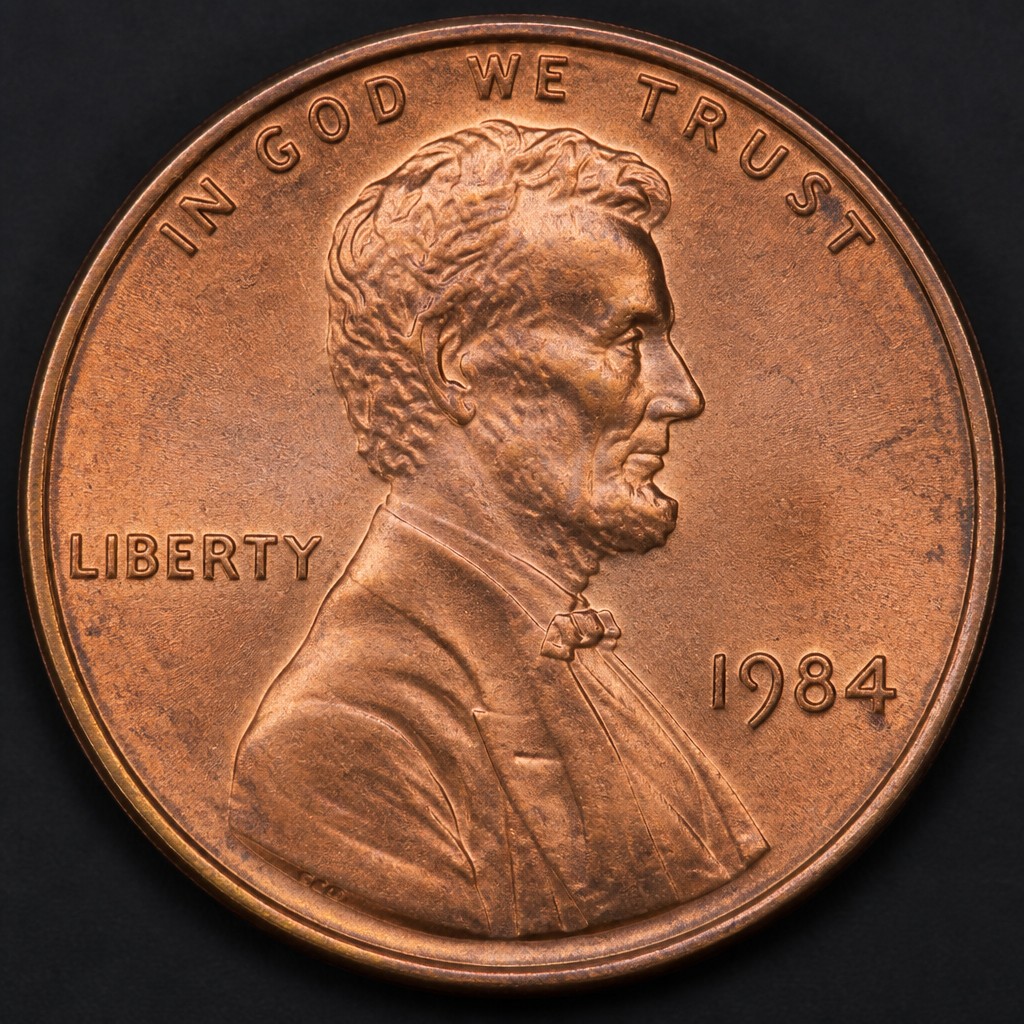
What This Coin Is
The 1984 Doubled Ear cent is notable for having its doubling concentrated on a single design element, Lincoln's ear, rather than the lettering or date as with most doubled die varieties. This localized doubling makes it one of the more visually distinctive and easily searched-for varieties in the Lincoln Memorial cent series.
Obverse Design & Inscriptions
The obverse shows the standard right-facing Lincoln portrait with "IN GOD WE TRUST" above, "LIBERTY" to the left, and the date "1984" to the right. The doubling that defines this variety appears specifically as a second, slightly offset outline of Lincoln's ear, distinct from the surrounding hair and jaw detail.
Reverse Design & Inscriptions
The reverse shows the standard Lincoln Memorial design with "UNITED STATES OF AMERICA" above and "ONE CENT" below, with no doubling attributed to this obverse-only variety.
Size, Weight, Metal & Edge
This coin is a standard copper-plated zinc cent from the 1980s, weighing about 2.5 grams, with the usual diameter and plain edge for cents of the period.
Mint Marks & Where to Find Them
Check beneath the date for a mint mark; this variety is documented on cents struck without a mint mark, indicating Philadelphia production, so coins from other mints in 1984 should be compared carefully against reference material before being attributed to this variety.
Telling It Apart From Similar Coins
Because the doubling is confined to the ear rather than the lettering, a magnifying glass focused specifically on that small area of the portrait is the most efficient way to check a suspected coin, rather than scanning the whole obverse. It is easy to overlook because collectors accustomed to checking dates and mottos for doubling may not think to examine the ear closely.
Judging Condition at a Glance
Because the identifying feature is a small design detail, coins with strong original strike quality and minimal wear on the portrait make the doubled ear easiest to confirm. Heavily worn or cleaned coins can lose enough detail in this area to make attribution difficult even on genuine examples.
Authenticity Red Flags
Buyers should be cautious of generic circulation wear or minor die chips near the ear being mistaken for or misrepresented as this specific variety. Comparing a suspected coin against clear reference photographs showing the confirmed doubled ear outline is the most reliable way to avoid misattribution, since the feature is subtle enough that verification benefits from magnification and good lighting.
Frequently asked questions
Where exactly is the doubling on this variety?
It is localized to Lincoln's ear on the obverse portrait, rather than appearing in the date or lettering as with most doubled dies.
Do I need magnification to see it?
Yes, a magnifying glass focused on the ear area is the most reliable way to confirm this variety.
What mint produced this variety?
Philadelphia, identifiable by the absence of a mint mark beneath the date.
Why might collectors overlook this variety?
Because it's easy to focus on checking the date and mottos for doubling and forget to examine the small ear detail specifically.